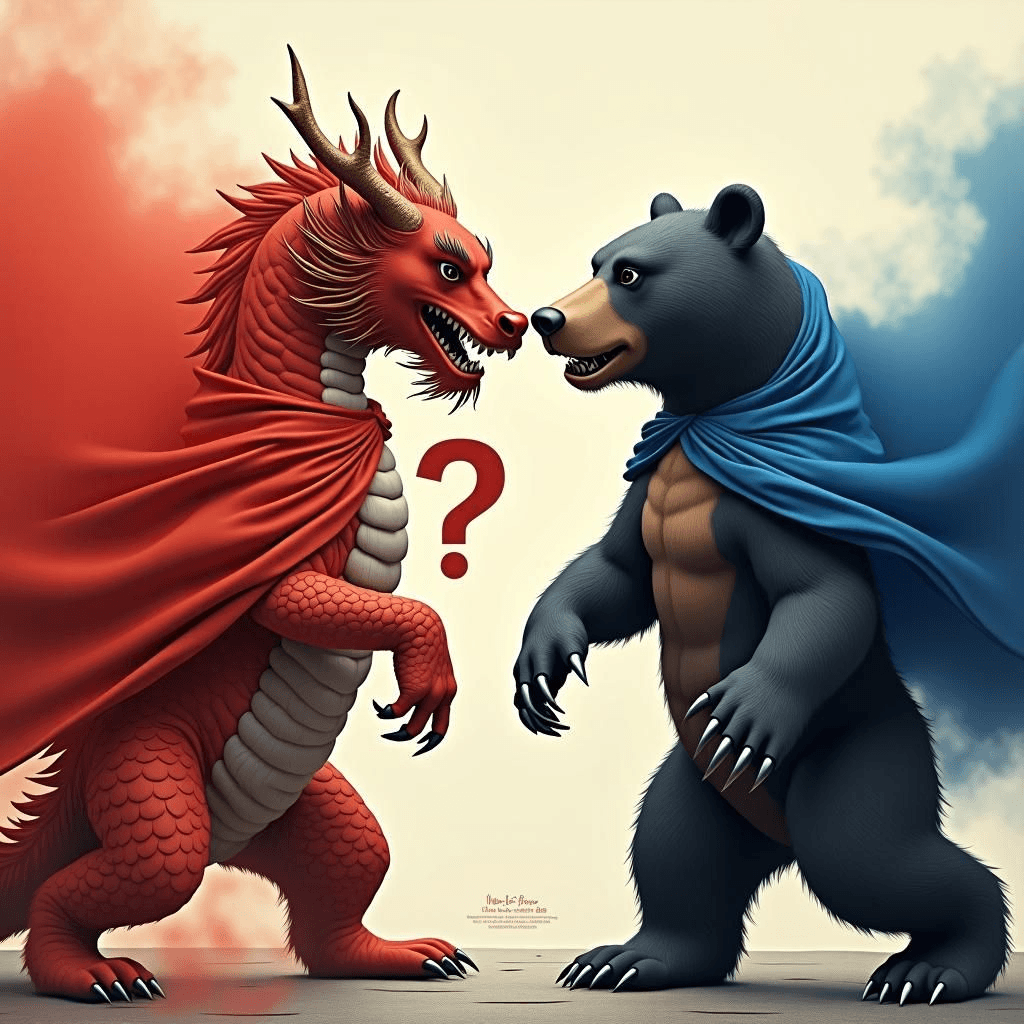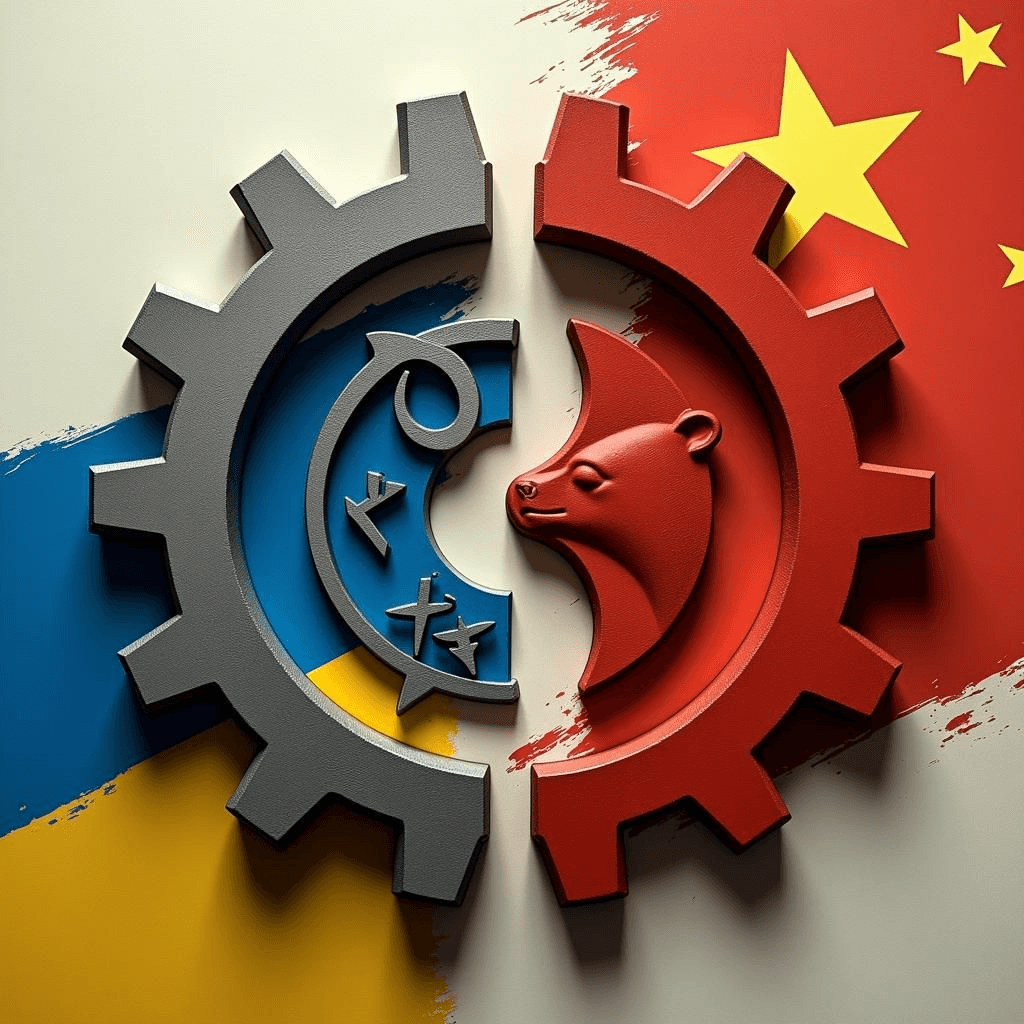
This comprehensive report assesses the depth and dynamics of Russian-Sino military cooperation by comparing the period preceding the outbreak of the Russia-Ukraine war in 2014 to the 2014-2022 period and the subsequent era following the full-scale escalation. The “fog of war” creates significant challenges in obtaining reliable information about the details of contemporary military-technological cooperation between Moscow and Beijing. This lack of information is particularly pronounced concerning ongoing weapons and arms component transfers. However, it is still possible to discern general trends in military cooperation between the two countries, especially by identifying the absence of certain actions and commitments that reveal the limits of their cooperation.
Military cooperation between Russia and China before 2014 was driven by pragmatic, practical considerations. Russia played a crucial role in modernizing China’s armed forces by supplying various types of weaponry. In return, China served as a lucrative market for Russia’s military-industrial complex. This mutually beneficial relationship was sustained by the shared interest in advancing military capabilities and economic gains.
Since the illegal annexation of Crimea, Russia’s access to Ukraine’s defense industry and its Western military-industrial partners has been severely restricted. This has left Russia with China as the primary remaining source of much-needed imported military technology and components. In exchange, China has gained access to advanced Russian missile, air defense, and electronic warfare technology. This deepening cooperation is further evidenced by the increasing frequency of joint military exercises.
Beijing’s Role in Russia’s War Efforts
By early 2025, Beijing had become a crucial, irreplaceable enabler of Russia’s sustained war efforts against Ukraine. Despite the official declarations of a “no-limits” partnership, the reality of their cooperation is more nuanced. While Russia and China share a strong anti-US stance, Beijing is reluctant to compromise its strategic autonomy and freedom of maneuver. China is unwilling to make any commitments to Russia that could lead to an open conflict with the West or result in the imposition of sanctions.
The limits of this cooperation are evident in several areas. For instance, China has been cautious about providing military aid that could directly implicate it in the conflict or provoke a significant backlash from the international community. This cautious approach reflects Beijing’s desire to maintain its economic and diplomatic flexibility. While China may support Russia in certain strategic initiatives, it is careful not to align itself too closely with Russia’s aggressive actions.
Additionally, there are indications that China is hedging its bets by maintaining a level of ambiguity in its relationship with Russia. This approach allows Beijing to leverage its ties with Moscow while also preserving its relationships with other major powers, such as the United States and European nations. This strategy is aimed at maximizing China’s strategic options and minimizing potential risks.
The dynamics of Russian-Sino military cooperation are further complicated by the geopolitical landscape. Both countries face significant challenges from the Western bloc, which includes the United States and its allies. This shared threat perception has driven them closer together, but it has also created tensions within their alliance. For example, China may view Russia’s actions in Ukraine as potentially destabilizing and a source of regional conflict that could draw unwanted international attention.
Moreover, the economic dimensions of their cooperation cannot be overlooked. China’s economic might and Russia’s military expertise create a symbiotic relationship that benefits both nations. China’s access to advanced Russian military technology enhances its defense capabilities, while Russia’s military-industrial complex benefits from the economic gains generated by sales to China. This economic interdependence provides a stable foundation for their military cooperation, despite the political and strategic constraints.
The evolution of Russian-Sino military cooperation is a complex interplay of mutual benefits, strategic considerations, and geographical realities. The geopolitical landscape, characterized by a multipolar world and shifting alliances, plays a significant role in shaping this cooperation. Both countries are acutely aware of the need to balance their strategic interests with the realities of the international order.
Summary
In summary, while Russian-Sino military cooperation has deepened significantly, particularly in the aftermath of the annexation of Crimea, it remains constrained by the strategic autonomy and geopolitical considerations of both nations. The absence of certain commitments and actions highlights the limits of their cooperation, reflecting a cautious and calculated approach that prioritizes national interests over a full-blown alliance. This dynamic relationship is shaped by a blend of military, economic, and strategic factors, all of which contribute to the evolving nature of Russian-Sino military cooperation.