Independent music venues play a crucial role in the cultural and economic life of cities worldwide. They serve as vital “third places” that foster social cohesion, create bonding opportunities, and enhance residents’ sense of belonging. These venues not only contribute to local employment outcomes and quality of life but also act as incubators for talent, often launching the careers of globally renowned artists. However, these venues face significant challenges due to rising property costs, corporate competition, and neighborhood disputes about noise. These issues are not unique to any single city but are prevalent in urban areas across the globe, from Nashville to Manchester and Washington, D.C.
Nashville, a city under threat
Nashville, known as America’s “Music City,” exemplifies these tensions. The city’s music scene, initially forged in small, independent venues, has become a major cultural hub and economic driver, contributing to 7% of the area’s economic output and over 80,500 jobs in 2020. The economic impact of the music industry in Nashville grew by 43% from 2013 to 2020. Despite this success, the city’s music and cultural scene is under threat due to rising property costs, corporate competition, and neighborhood disputes.
The Bluebird Café, a symbol of the challenges
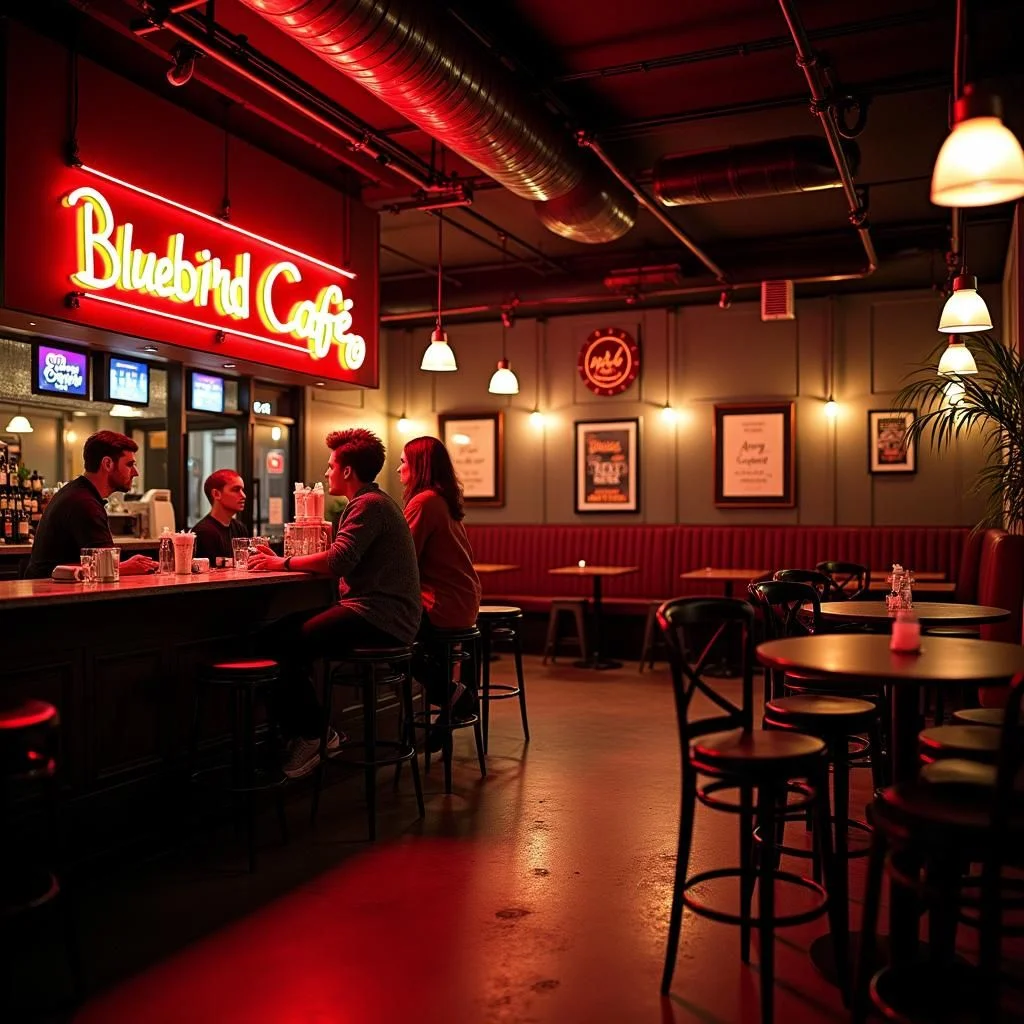
A prime example of these challenges is Nashville’s Bluebird Café, a 90-seat independently owned and operated venue founded in 1982. Located in a low-rise strip mall far from the city’s booming downtown, the Bluebird Café has a rich history as an incubator of talent, having launched the careers of artists like Garth Brooks and Taylor Swift. Its iconic status was further reinforced by its prominence in the network TV series “Nashville.” However, the venue is now under pressure from larger economic and competitive forces.
The importance of independent music venues
Independent music venues are uniquely important to the economic life of cities globally. They foster social cohesion, key bonding opportunities, and residents’ sense of belonging in place. The 2024 Nashville Independent Venues Study found that Nashville and Davidson County residents highly value independent music venues for their contributions to community-building, local employment outcomes, and quality of life. However, higher land costs make venues less likely to invest in community-focused programming and more likely to face difficult choices such as moving, scaling down booking agreements, or being edged out altogether by corporate competitors.
Challenges faced by independent music venues
In metro area Nashville, independently owned and operated music venues (IMVs) tend to be smaller and less centrally located. These venues are often found on cheaper land, further away from denser areas with larger audiences, to invest in programming while keeping costs low. This strategy allows them to focus on community engagement and cultural programming, which is essential for their sustainability.
Solutions to ensure the sustainability of independent music venues
To ensure independent music venues live up to their potential, local leaders can employ several sustainable and actionable solutions. Recognizing music and nightlife as a key cultural asset is crucial. Many cities make a distinction between fine arts and popular culture, which informs everything from funding opportunities to zoning and planning. Independent music and creative spaces often operate in a gray area, neither qualifying as nonprofit “fine” arts organizations eligible for city and philanthropic support nor being commercially driven entertainment. Local civic leaders can structure cultural governance and funding opportunities with a broader view of the institutions and activities that form the cultural fabric of their city.
Helping venues gain site control
Helping venues gain site control is another critical step. Few independently owned music venues own their real estate, making them vulnerable to shifts in the market. Municipalities and other civic actors, including the business community and philanthropies, can support venues by incentivizing long leases, making city-owned property available for cultural use at affordable rents, developing cultural land trusts, and hosting “matchmaking” processes to connect property owners with aspiring venue operators.
Establishing solid nighttime governance
Establishing solid nighttime governance is essential. Nearly 100 cities around the world have some type of nightlife commission, office, or “night mayor” tasked with managing and supporting their city’s nightlife. This office serves as a liaison between venues and city agencies, mediates conflicts between venues and neighborhood stakeholders, and supports small business development and community engagement. Cities can create a municipal office focused on the infrastructure that serves residents and workers outside of traditional daytime hours to ensure life moves smoothly in the city around the clock.
Streamlining government services
Streamlining government services with a “one point of entry” for small, independently owned venue operators can reduce the challenges and costs of operating venues and producing events. For example, night manager’s offices in cities such as Philadelphia and Seattle are focused on small business services for the entertainment sector, providing support and case management for business development, licensing, codes, and regulation issues. To ease bureaucratic pain points for new venue operators, municipal governments can, through a single position or office, guide entrepreneurs through the local permitting and regulation processes necessary to bring their business to life.
Supporting the next generation of music and nightlife entrepreneurs
Supporting the next generation of music and nightlife entrepreneurs is vital. Small, independent venues are often launched by people who are music lovers first and businesspeople second. In many cities, women-run and BIPOC-run venues are still in the minority. The next generation of young and diverse talent is central to sustaining the vitality of the industry. To ensure cities’ vibrant cultural scenes, municipal, civic, and industry actors can step up to support the next generation of entrepreneurs with grants and loans, small business services, and network-building between aspiring entrepreneurs and experienced partners.
Ciudades en todo el mundo están teniendo dificultades para preservar espacios creativos ante el aumento de los costos de la tierra y la demanda feroz de espacio. El estudio de Nashville sobre lugares independientes fue parte de un proceso continuo en el que los propietarios de lugares, artistas, instituciones locales y gobierno se comunican y coordinan más efectivamente sobre este tema. Los líderes a nivel estatal y local han tomado medidas intencionales en los últimos años para apoyar significativamente el ecosistema de lugares independientes de Nashville. El estado de Tennessee creó un Fondo de Música en Vivo; los intereses inmobiliarios y los lugares cooperaron para apoyar un referéndum de transporte público exitoso; los estacionamientos privados comenzaron a ofrecer espacios subvencionados para músicos; la oficina de la noche local pudo contratar personal dedicado a los códigos; y los socios locales organizaron un festival de música independiente a nivel de toda la ciudad. Si esto es suficiente para combatir las amenazas de los costos en aumento y la corporatización no está claro, pero la trayectoria ha sido alterada en la ciudad de la música.
Importancia de los lugares de música independiente
Los lugares de música independiente son vitales para la tela cultural y económica de las ciudades y regiones. Requieren una atención concentrada de los líderes locales si quieren sobrevivir a las presiones del mundo post-Covid. Nashville demuestra que cuando los líderes locales reconocen verdaderamente el valor de los lugares pequeños y entienden los desafíos burocráticos que enfrentan, su respuesta tiene la oportunidad de apoyar a las comunidades y los espacios importantes para ellas.