
European and Global Collaboration in Research and Innovation: Success Stories and Key Takeaways

European and global cooperation in research and innovation requires multi-stakeholder partnerships to address global challenges such as climate change, health threats, and loss of biodiversity. The EU, with experience in R&D partnerships, should adopt a more strategic, inclusive, and sustainable approach, prioritizing strategic alignments, multi-stakeholder representation, mixed funding, local ownership, and crisis response. Challenges are identified as administrative complexity, fragmentation of funds, and lack of representation of middle- and low-income countries.
The EU and Mercosur reach a historic agreement.

The European Union and Mercosur are close to a historic free trade agreement, after more than twenty years of negotiations. The alliance would involve more than 700 million people and an annual exchange of almost 100 billion euros. Environmental and agricultural issues have been addressed. Following the acceleration of conversations by the Spanish presidency of the EU Council and the interest of Brazil and Argentina, the ratification of the agreement is expected in 2025, despite opposition.
New Agreement in Scotland: Key Details and Initiatives
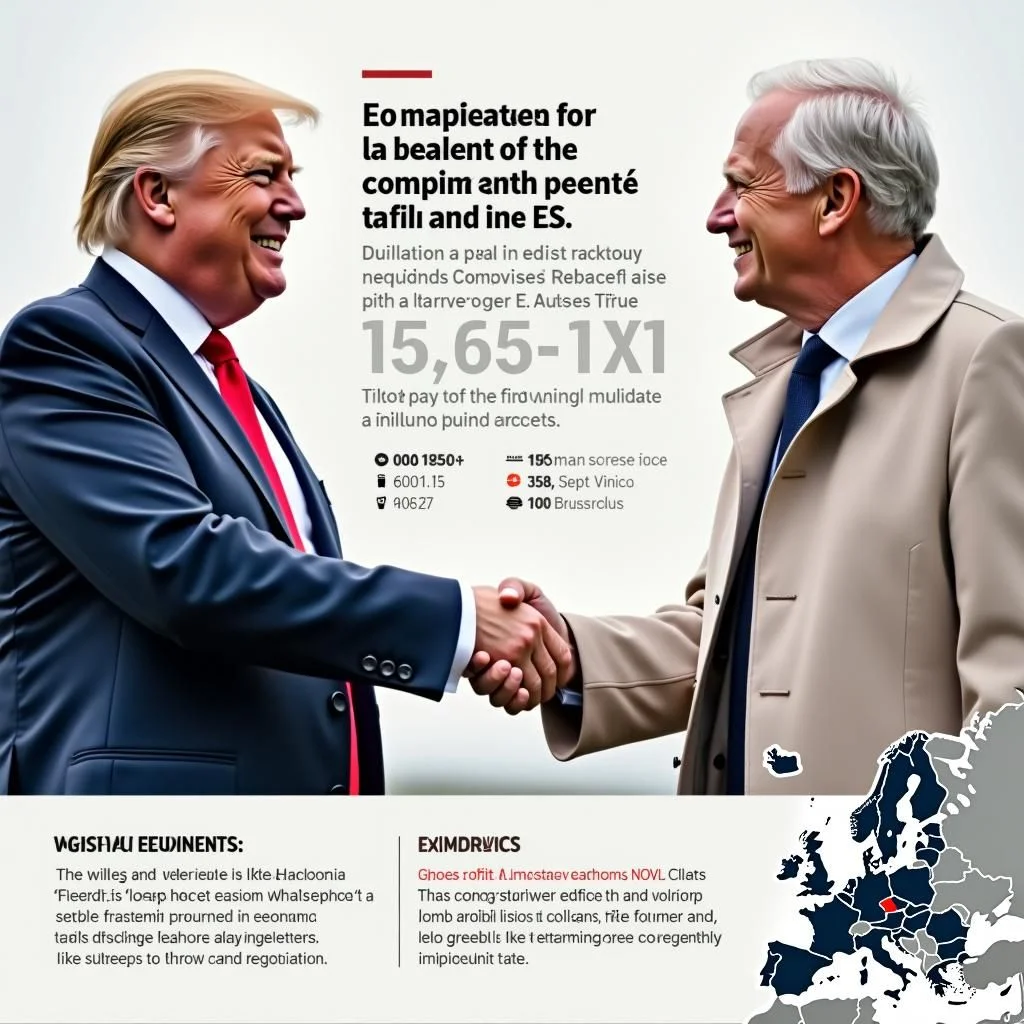
In June 2019, the EU and the US agreed on a tariff truce and numerous cross-border trade reductions. The agreement received criticism for being asymmetric and not legally binding. Tensions continue due to future increases in tariffs. The EU is seeking to strengthen global competitiveness.
India: Towards an Automotive Future

India is targeting electric mobility for the future of the automotive sector, being the fourth largest vehicle producer worldwide. It focuses on increasing its share in the global electric vehicle value chain, although it faces internal challenges and external dependence. Limited charging infrastructure hinders mass adoption.
Nashville, Tennessee: A Champion of Independent Music Venues for Cultural and Economic Growth

In Nashville, independent music is vital culturally and economically, generating 80,500 jobs and 7% of the GDP. However, real estate pressure, corporate competition, and neighborhood disputes are a threat. It is crucial to preserve local venues as points of social cohesion and local prosperity in a highly competitive and high-cost market. It is suggested to recognize the cultural importance of music, help local venues with their sites, and establish good governance.