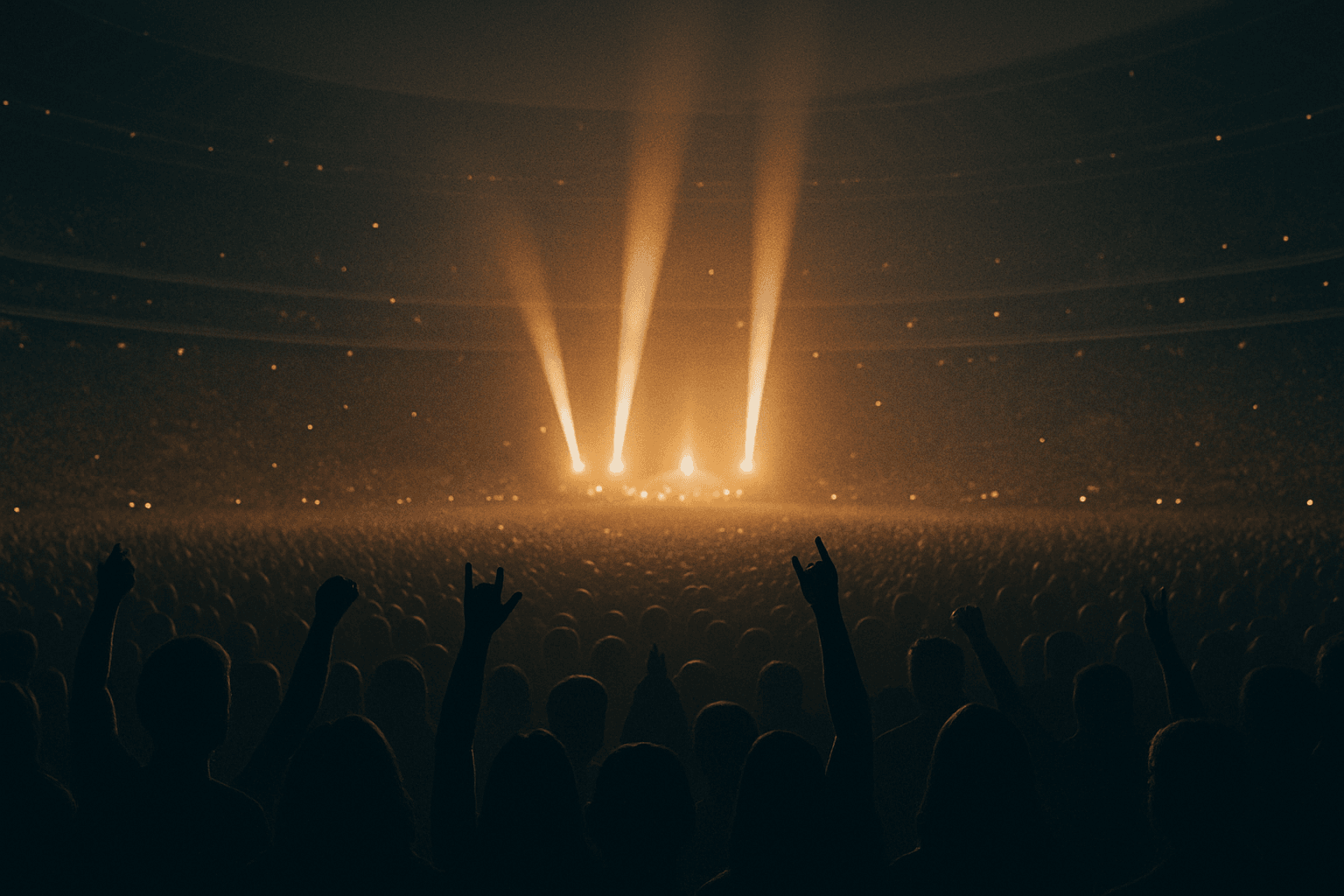
The world watches in awe as Taylor Swift‘s The Eras Tour becomes a global cultural phenomenon. From North America to Europe and Asia, the tour has generated a significant economic impact in each city it visits, with packed hotels, sold-out flights, and massive merchandise sales. Beyond the spectacle, however, the tour signifies something deeper: a cultural shift with social implications.
Swift’s success stimulates local economies while embodying modern female empowerment. With millions of fans—mostly young women—the tour has become a safe space to celebrate identity, independence, and community. Can a musical tour help transform the public discourse on women’s roles in society?
A cultural and economic revolution
The scale of The Eras Tour has even surprised economists. In the U.S. alone, the tour has contributed billions to local GDPs, rivaling major sporting events like the Super Bowl. Cities are now competing to host the concerts, aware of the economic boost they bring. Beyond the figures, Swift transforms each stop into a brief yet powerful celebration of art, commerce, and pop culture.
The power of the message
Throughout her shows, Swift uses her platform to speak about autonomy, mental health, heartbreak, and self-reconstruction, all from a clearly feminist perspective. Without political slogans, her message emerges through her lyrics, audience interactions, and the way she manages her career. Her reclaiming of her own song rights by re-recording her old albums is a clear example of how a woman can challenge male-dominated industry structures.
Social media amplifies her message, with countless women sharing how her music helped them overcome abusive relationships, embrace their identity, or gain self-confidence. Taylor Swift has become, without assuming the traditional activist role, a feminist icon for an entire generation.
A legacy beyond music
While others depend on controversy for relevance, Swift chooses hard work, emotional storytelling, and genuine audience connection. Her influence extends beyond entertainment: she’s the subject of university courses, cultural criticism, and academic articles on pop feminism. The economic impact of her tours is just one part of a larger transformation—one where a woman leads, creates, decides, and rewrites the rules of her industry.
Ultimately, The Eras Tour is more than a concert series—it’s an economic, cultural, and feminist milestone that defines a new era in the music industry and in how we perceive women’s power on stage.