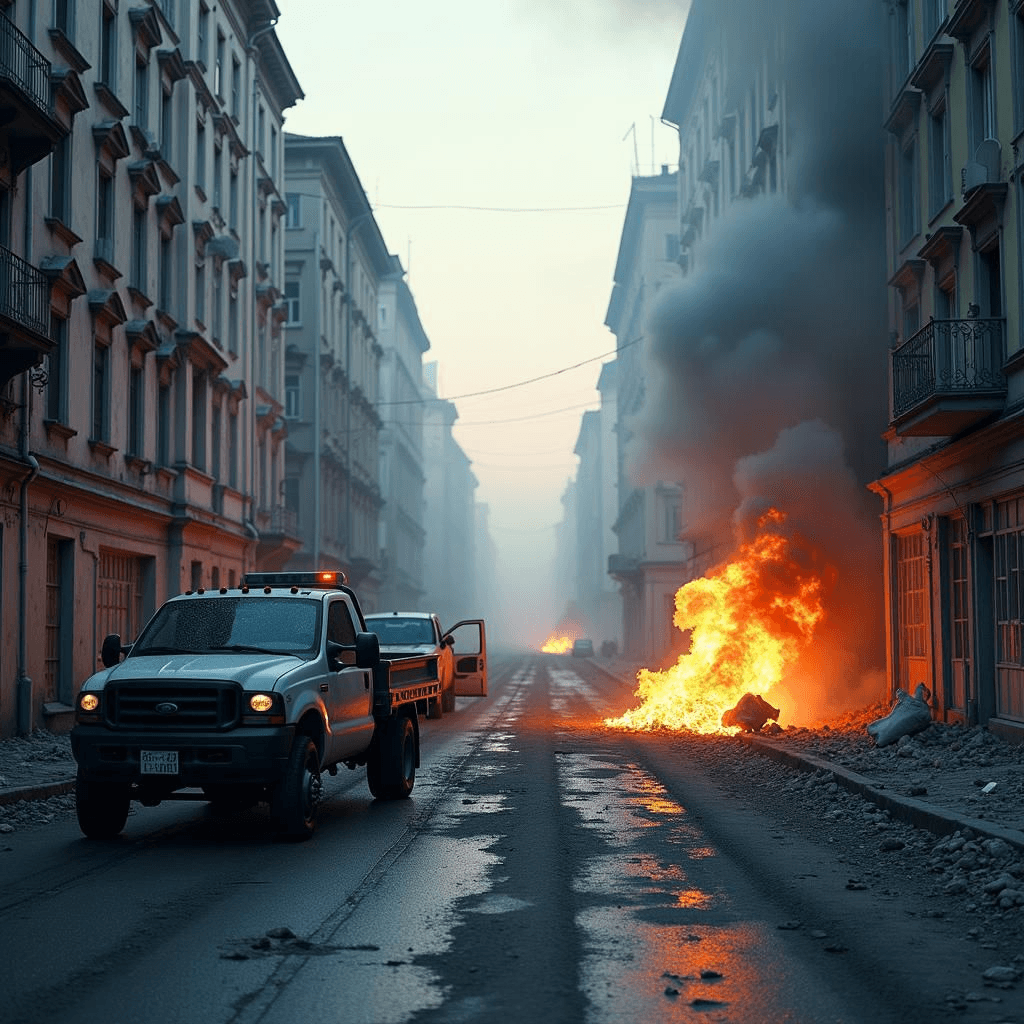
The tension situation between Russia and Ukraine persists without significant progress towards peace, despite recent dialogues between the presidents of the United States and Russia. Donald Trump held a conversation with Vladimir Putin, followed by a Russian air attack on Kiev, which demonstrates that peace remains a distant goal. This nighttime attack caused numerous injuries, fires, and significant damage to buildings, vehicles, and infrastructure in various areas of the city. The mayor of Kiev, Vitali Klitschko, reported that explosions occurred in six of the ten districts of the capital.
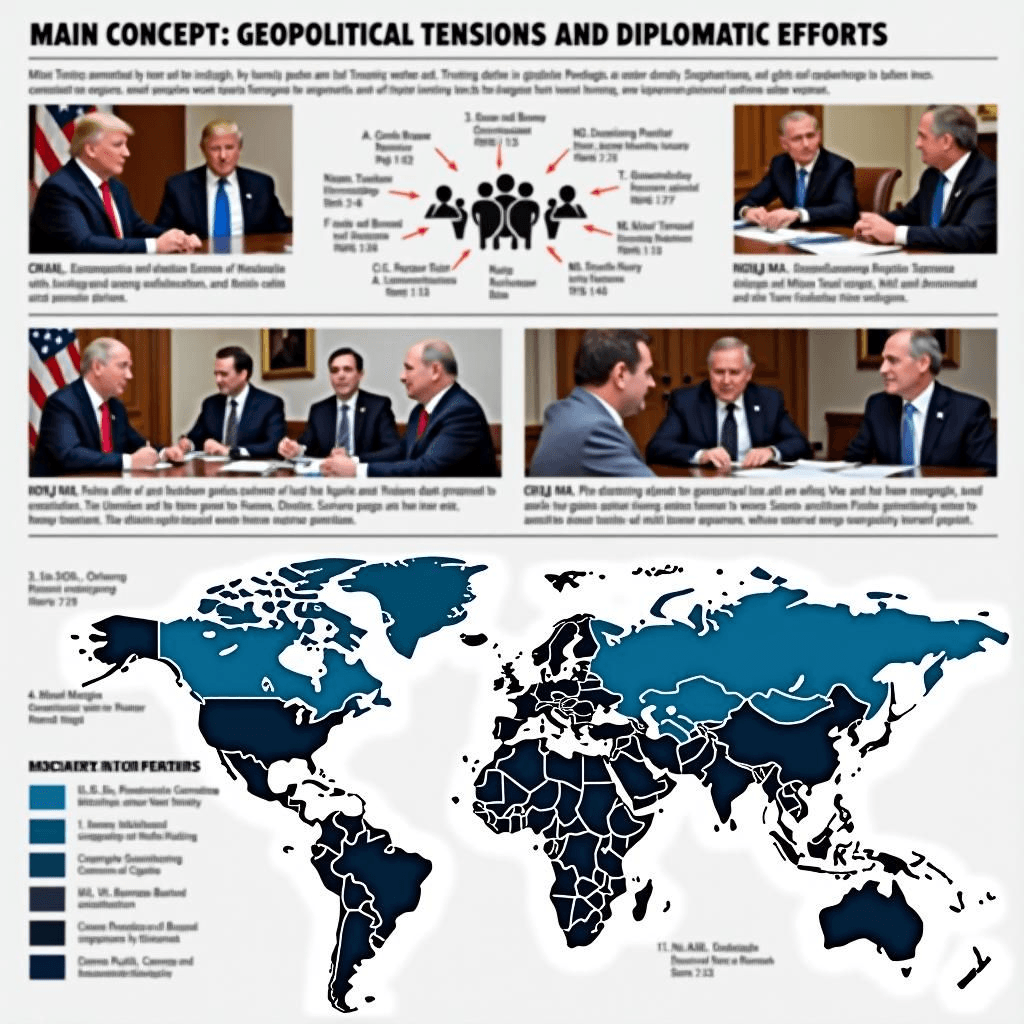
On the same day, Trump also spoke with Volodymyr Zelensky, reaffirming the support of the United States, although this support seems less concrete with each passing day.
The escalation of tensions occurs at a time already marked by tension for Kiev, especially after the United States blocked a previously approved military aid delivery, including ammunition for anti-aircraft systems. The White House not only has practically halted aid to Kiev, but also has not planned new aid in the budget for the next year. Trump expressed his dissatisfaction with the conversation with Putin, stating that there was no progress towards a ceasefire in Ukraine.
According to Kremlin advisor Yuri Ushakov, Putin insisted that Moscow considers it essential to address the “deep-rooted” causes of the war, which implies a demilitarized Ukraine and outside the Euro-Atlantic defense system.
Zelensky, on the other hand, evaluated the dialogue with Trump positively, emphasizing the importance of collaboration in the joint production of defensive technology, especially in drones and related technologies. However, despite this dialogue, the situation in Ukraine remains critical.
A Russian attack with 539 drones and 11 missiles caused injuries and significant damage in 13 areas of Kiev, including residential buildings, healthcare facilities, and railway infrastructure. The offensive, one of the most intense in recent weeks, affected six of the ten districts of the city. In the Holosiivskyi district, debris from a downed drone damaged a medical center. Ukrainian authorities described the night as a “night of terror,” with rescue teams still working in affected areas.
Although Ukrainian air defense systems neutralized 478 targets, the attack caused significant damage, with disruptions in the railway network and several fires. In addition to Kiev, the regions of Dnipro, Sumy, Kharkiv, and Chernihiv were also affected.
Zelensky commented on social media that Russia demonstrates a clear intention to continue with the war and terror. The Kremlin seems to be taking advantage of the current conciliatory stance of Washington towards Moscow.
According to media reports, the special envoy of the White House, Steve Witkoff, may be working to repeal energy sector sanctions against Russia. In addition, it is rumored that the Nord Stream project is being considered with the support of American investors.
A European Union official has warned about Trump and Putin’s attempts to divide the European energy market and create separate spheres of influence.
In response to these signals and credit openings by the United States, Putin does not seem in a hurry to resolve the conflict in a short time and under unfavorable conditions for Moscow.
The last NATO summit in The Hague made it clear that Europe must take on greater responsibilities in the defense of Ukraine, given that the expected reliability beyond the Atlantic has not materialized.
In response, French President Emmanuel Macron and British Prime Minister Keir Starmer will jointly preside over a new summit of “volunteers” in London on July 10.
The suspension of military aid by Trump has had a negative moral impact and demonstrates the inefficiency of the United States in this context. However, this inefficiency is driving internal weapons production in Ukraine.
According to data provided by Zelensky, Kiev produces at least 40% of the weapons used in the conflict. In addition, efforts are being made to involve European allies in joint weapons production and greater supplies from Europe.
This movement suggests an attempt at repositioning Ukraine, which now looks to Europe not only in terms of EU membership, but also in the military sphere, where it previously depended mainly on the United States.