
How Should the EU Manage Chinese Investment in its EV Transition?
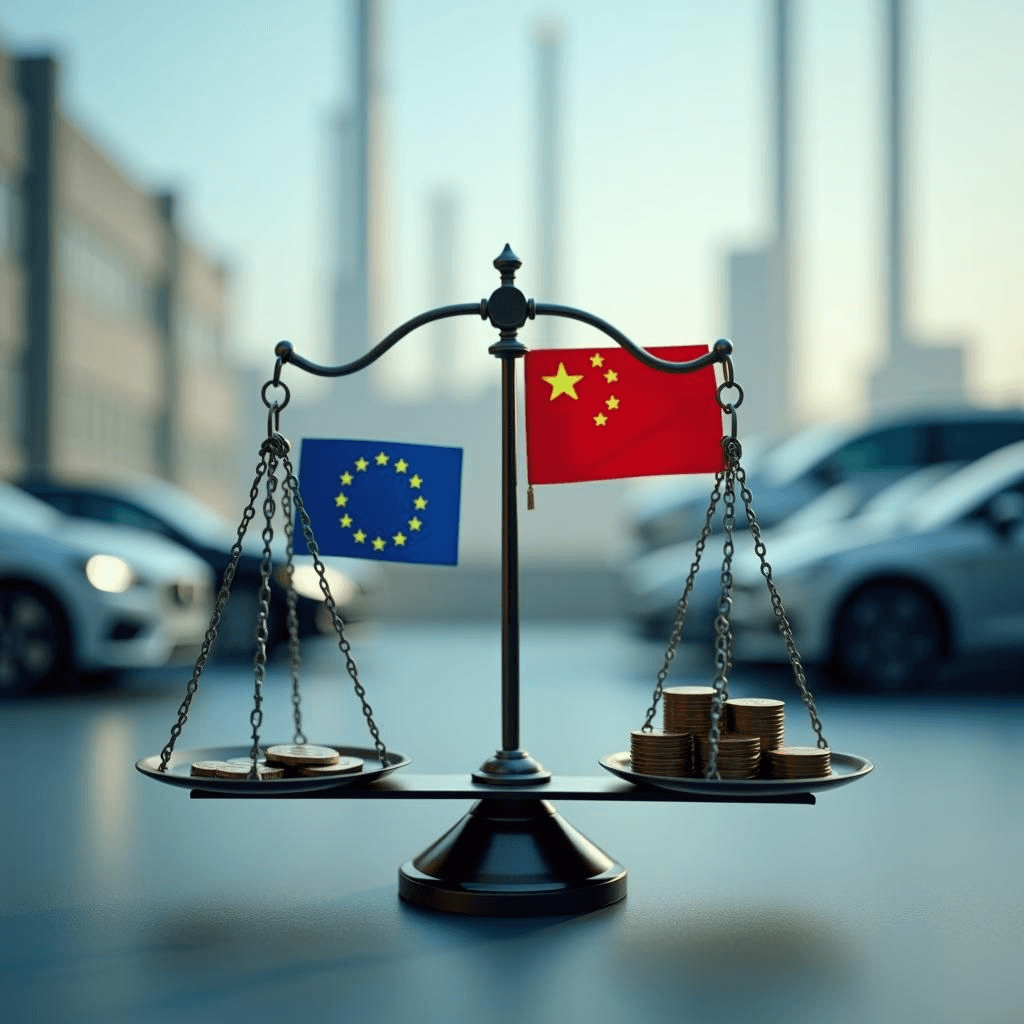
The EU seeks to manage strategically Chinese investment in electric vehicles, balancing manufacturing benefits and knowledge gains with risks of dependency and market distortions.
Trump 2.0: An Analysis Six Months Later

The Trump presidency has brought significant changes to the U.S. and the world, with massive deportations, commercial conflicts, and diplomatic tensions. Trump’s popularity has decreased and his administration has generated economic uncertainty and attacks on institutions and civil rights. His policies are in conflict with his peaceful promises and his management is seen as extreme and challenging for American democracy.
Avoiding a Transatlantic Trade War: Strategies for Europe
President Donald Trump threatens to impose punitive tariffs on the EU starting from August 1, which leads the EU to consider countermeasures. The negotiations are difficult due to the divergences among the 27 member states, and the uncertainty regarding Trump’s stance complicates predicting the future of transatlantic commercial relations.
United States and Israel: The Origin of Military Support for the State of Israel.
The military support policy of the United States to Israel began in 1956 and was solidified in 1968 with the sale of Phantom jets. The United States has maintained and strengthened its special relationship with Israel, ensuring its military advantage in the region.
CORE Concerns: Why a Turnover-Based Levy is Detrimental to the EU Budget
The European Commission proposed the CORE tax for companies with at least 100 million euros in business volume, with annual payments up to 750,000 euros. However, this tax could negatively affect companies with low profit margins and increase prices for consumers.