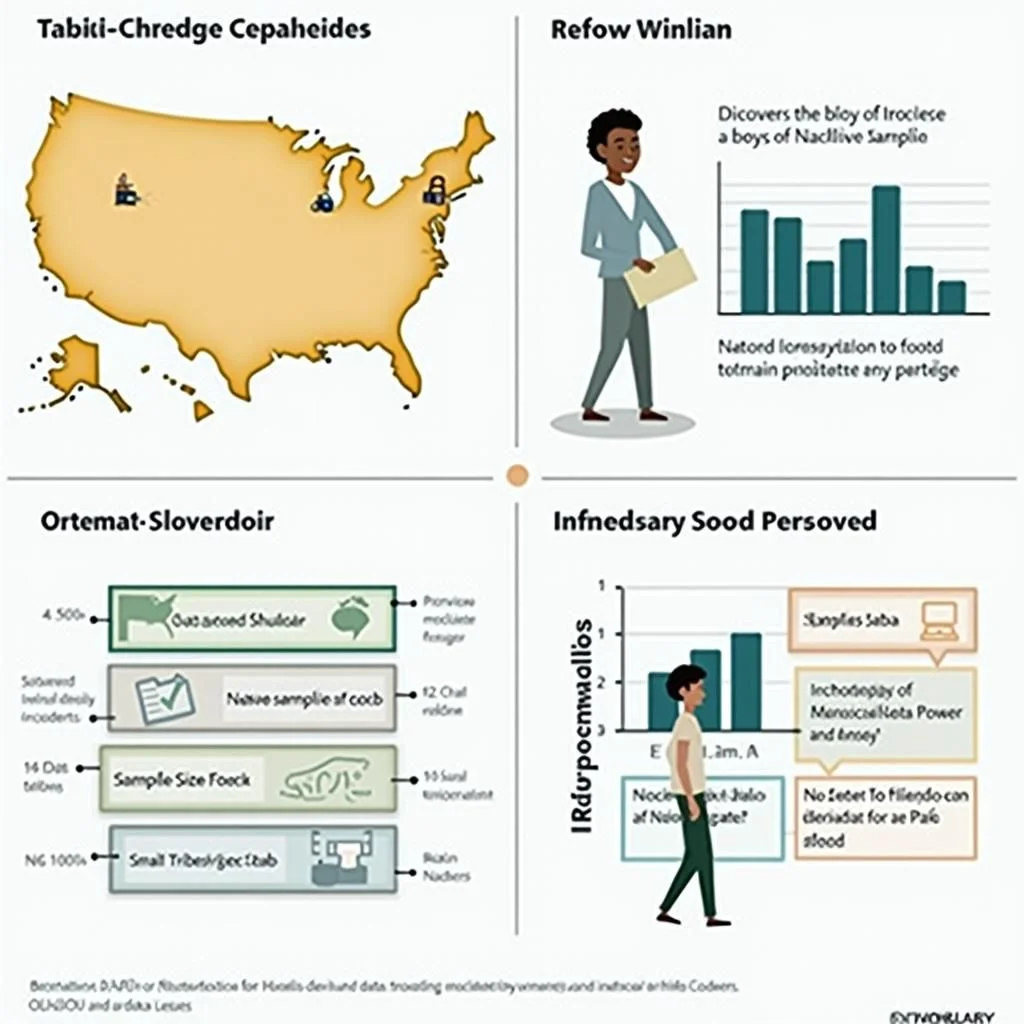
Data is essential for the well-being of communities, enabling policymakers to create laws and regulations that address the needs of their populations and make informed decisions to support their citizens. For Native Americans, data that accurately measures their populations, lands, and governing priorities is crucial. However, Native nations face significant challenges in governing their citizens and territories due to inadequate data. This analysis aims to identify the role that regional organizations can play in addressing these data challenges for Native American Tribes and Native American people.
### Data Challenges Faced by Native Americans
1. Small sample sizes: Data sets about Native Americans often have insufficient sample sizes, leading to poor data quality. This issue affects the reliability and usefulness of many data sets, making it difficult to make informed decisions.
2. Geographical challenges: The remote and noncontiguous geography of Tribal reservations complicates data collection and aggregation. This geographical dispersion makes it challenging to gather comprehensive and accurate data.
3. Misunderstanding of Native identity: Many data sets treat Native Americans solely as a racial category, overlooking the complexities of Native identity and Tribal governance. This approach fails to capture the unique cultural, social, and political dimensions of Tribal communities.
4. Lack of Tribal input: Data sets are often designed without input from Tribal leaders, resulting in data that does not reflect Tribal needs or interests. This lack of consultation leads to data that is less relevant and less useful for Tribal communities.
5. Data accessibility: Some federal, state, and local data remains inaccessible to Tribes, hindering their ability to use this information for governance and decision-making. This inaccessibility further exacerbates the data challenges faced by Native American communities.
### Insights from Tribal Leaders and Stakeholders
Tribal leaders and stakeholders in the region have provided valuable insights into the use of data and data priorities:
1. Diverse engagement with data: Tribes engage with data in various ways and have a strong interest in data that more accurately measures their populations and lands. This accurate data is essential for addressing their unique needs and challenges.
2. Economic development: Despite varying economic conditions, Tribes view data as a key enabler for accessing federal, state, and regional funding to meet critical economic development needs. Accurate and relevant data can help Tribes secure the resources they need to thrive.
3. Understanding Tribal sovereignty: There is a lack of understanding about Tribal sovereignty, which contributes to misunderstandings about Tribes as government entities. This misunderstanding can hinder effective data collection and use.
4. Development of new data products: Sample size limitations, Tribal boundaries, and other challenges inhibit the development of new data products by and for Native American communities. Overcoming these challenges is essential for creating data that meets Tribal needs.
5. Variability in data capacity: Tribes vary significantly in their data capacity, priorities, desire for autonomy, and stances on regional and state involvement in data creation. This variability requires tailored approaches to data collection and use.
6. Support for Tribal data capacity: Many current government processes and structures struggle to support Tribal data capacity. Enhancing these processes and structures is crucial for improving data quality and relevance for Tribal communities.
### Actions to Improve Indigenous Data Governance
To improve data quality for Tribal partners and Native American citizens, regional governments can take several actions:
1. Implement data strategies: Develop and implement data strategies specifically designed for interacting with Tribes and Tribal data. These strategies should focus on creating data that is accurate, relevant, and useful for Tribal communities.
2. Invest in Tribal data capacity: Invest in building the data capacity of Tribal communities. This investment can include training, resources, and infrastructure to enhance Tribal data collection and use.
3. Support Tribal sovereignty and self-determination: Ensure that data collection and use support Tribal sovereignty and self-determination. This support can involve recognizing Tribal governance structures and involving Tribal leaders in data-related decisions.
4. Make government data more accurate and relevant: Improve the accuracy and relevance of government data for Tribes and Native American people. This can involve making data more accessible, ensuring it reflects Tribal needs, and involving Tribes in the data collection process.
### National Applications
While this report focuses on the SCAG region, its findings have national applications. The federal government’s recent actions, such as removing demographic information on minority groups and public health statistics from the public domain, have disproportionately impacted Native American communities. This highlights the need for regional and state governments to partner with Tribes to support data and overall community and economic well-being.
Regional and state governments play a crucial role in partnering with Tribes to support data as well as overall community and economic well-being. By understanding how data can be more effectively deployed, these governments can take significant steps toward creating regions that are both economically prosperous and inclusive, generating genuine opportunities for all.