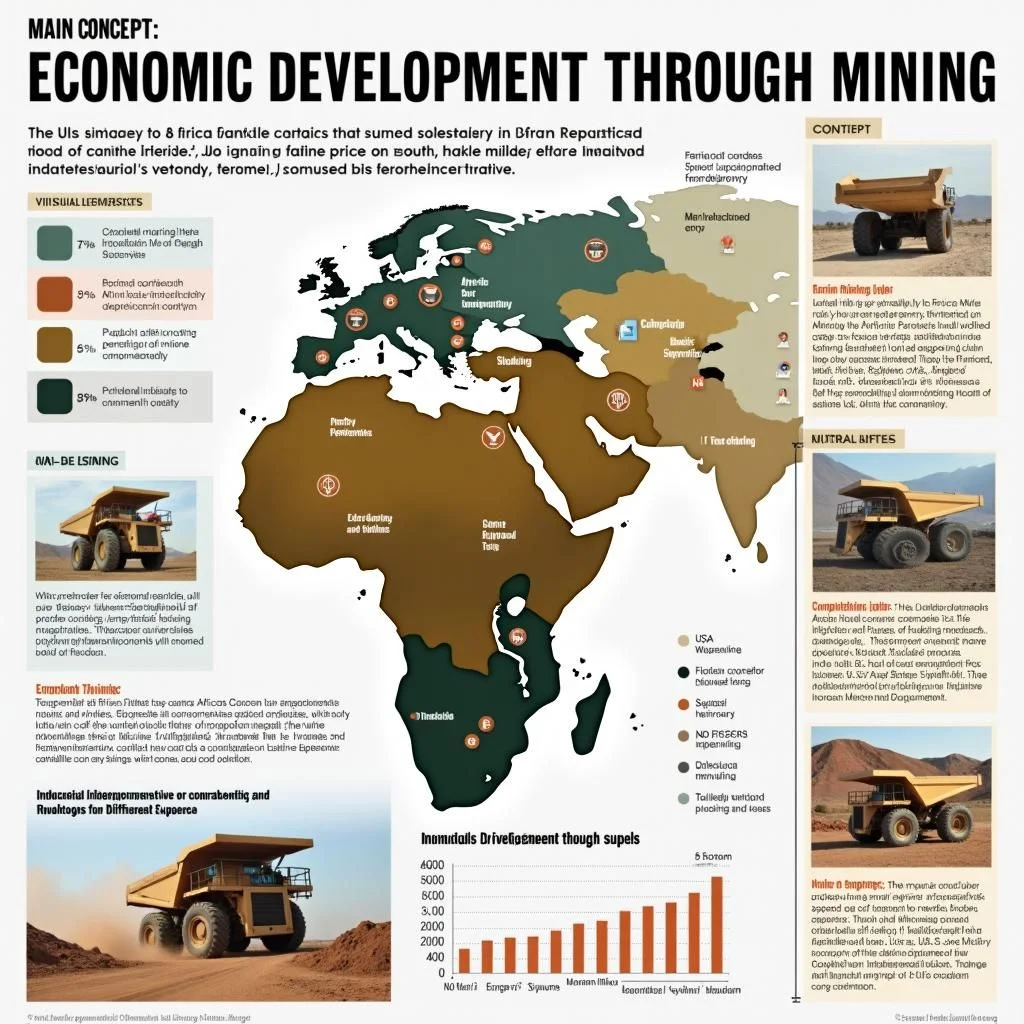
Critical minerals are essential for economic activity and security, as defined by the 2020 U.S. Energy Act. These minerals are crucial for various industries, including technology, automotive, and renewable energy. The U.S. relies heavily on imports for these minerals, with 40 out of 50 critical minerals being imported, and 12 of these minerals being entirely dependent on foreign sources. This reliance underscores the importance of diversifying supply chains and securing reliable sources of critical minerals.
Africa’s Strategic Role
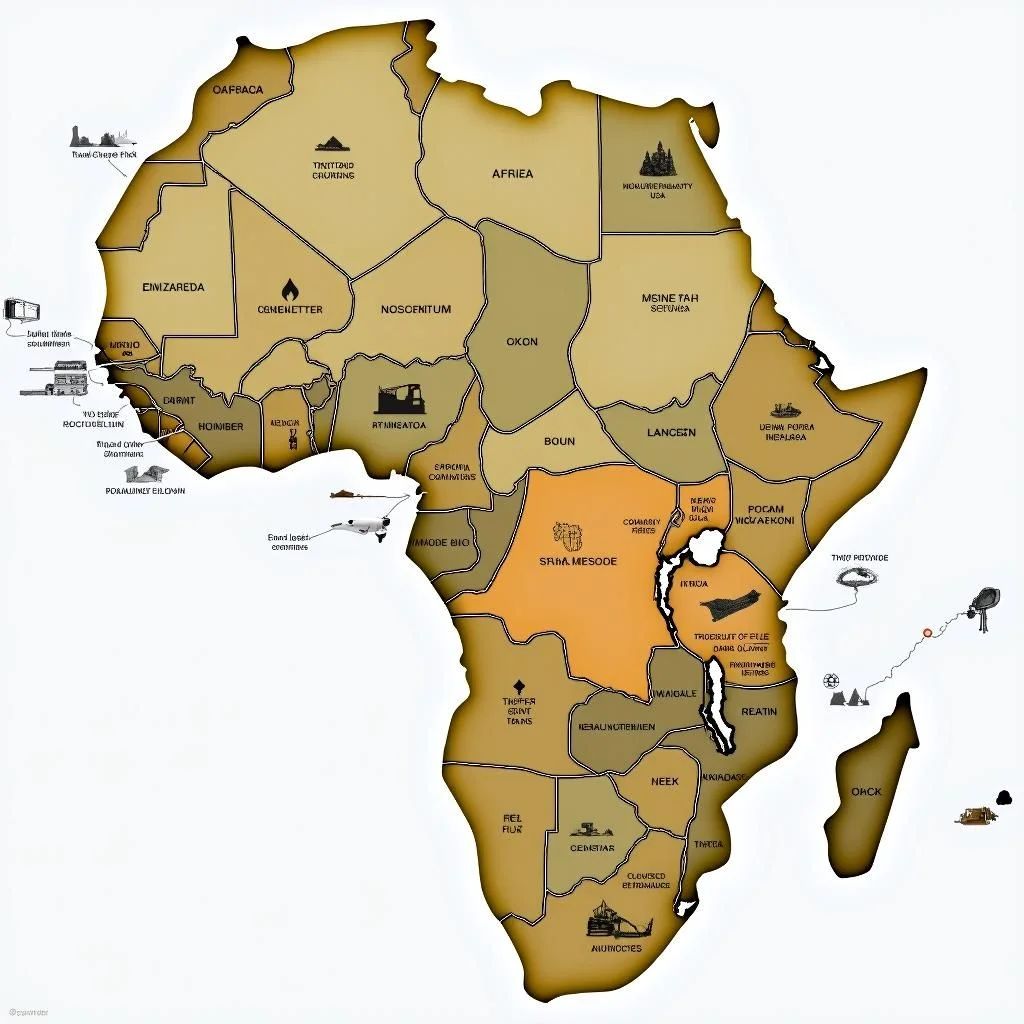
Africa holds significant reserves of critical minerals, making it a strategic partner for the U.S. in this regard. The continent has 35 countries with at least one critical mineral, including platinum, manganese, zirconium, aluminum, tantalum, cobalt, lithium, and bauxite. These minerals are essential for various applications, from smartphones and electric vehicles to windmills and health equipment. Africa’s existing mines and infrastructure provide a unique opportunity for the U.S. to expand its supply of critical minerals while supporting economic development and job creation in Africa.
Benefits of a Critical Minerals Partnership
A strong critical minerals partnership between the U.S. and Africa offers several benefits. For the U.S., it provides a reliable and diversified source of critical minerals, reducing dependence on a few suppliers and enhancing national security. For Africa, it brings investment, infrastructure development, and job creation, contributing to economic growth and development. The partnership also supports the transition to a cleaner, more sustainable economy by providing the necessary minerals for renewable energy technologies.
Recommendations for U.S. Policymakers
To leverage these opportunities, several recommendations are proposed for U.S. policymakers. First, a coordinated interagency approach is needed to address the broader business opportunities beyond mining, including energy, infrastructure, and logistics. Second, the private sector should be at the center of these efforts, as they possess the knowledge and resources to navigate governance issues and bottlenecks. Third, diversifying processing facilities in Africa is crucial to avoid over-reliance on a few countries for mineral processing.
Recommendations for African Governments
For African governments, key recommendations include improving the ease of doing business in the mining sector, promoting regional integration, and enhancing collaboration with the private sector. Regional integration efforts, such as the African Continental Free Trade Area (AfCFTA) and the Lobito Corridor, can facilitate the development of mineral value chains and create opportunities for industrialization and job creation. Additionally, African countries should focus on improving infrastructure, domestic resource mobilization, and regulatory certainty to attract investment and support sustainable development.
The Role of the Private Sector
The private sector plays a crucial role in leveraging Africa’s critical mineral potential. African countries with significant reserves, such as those with cobalt, manganese, and platinum, offer great potential for return on investment. However, the focus should not only be on the minerals themselves but also on the broader opportunities for infrastructure development, job creation, and industrialization. Reliable supply chains and stable macroeconomic environments are essential for attracting private sector investment and ensuring the success of these partnerships.
Conclusion
In conclusion, the partnership between the U.S. and Africa on critical minerals presents a unique opportunity to support economic development, job creation, and sustainable growth. By leveraging Africa’s mineral reserves, improving regional integration, and fostering collaboration between the public and private sectors, both regions can benefit from a diversified and reliable supply of critical minerals. This partnership is essential for addressing global challenges, such as climate change and national security, while promoting economic growth and development in Africa.