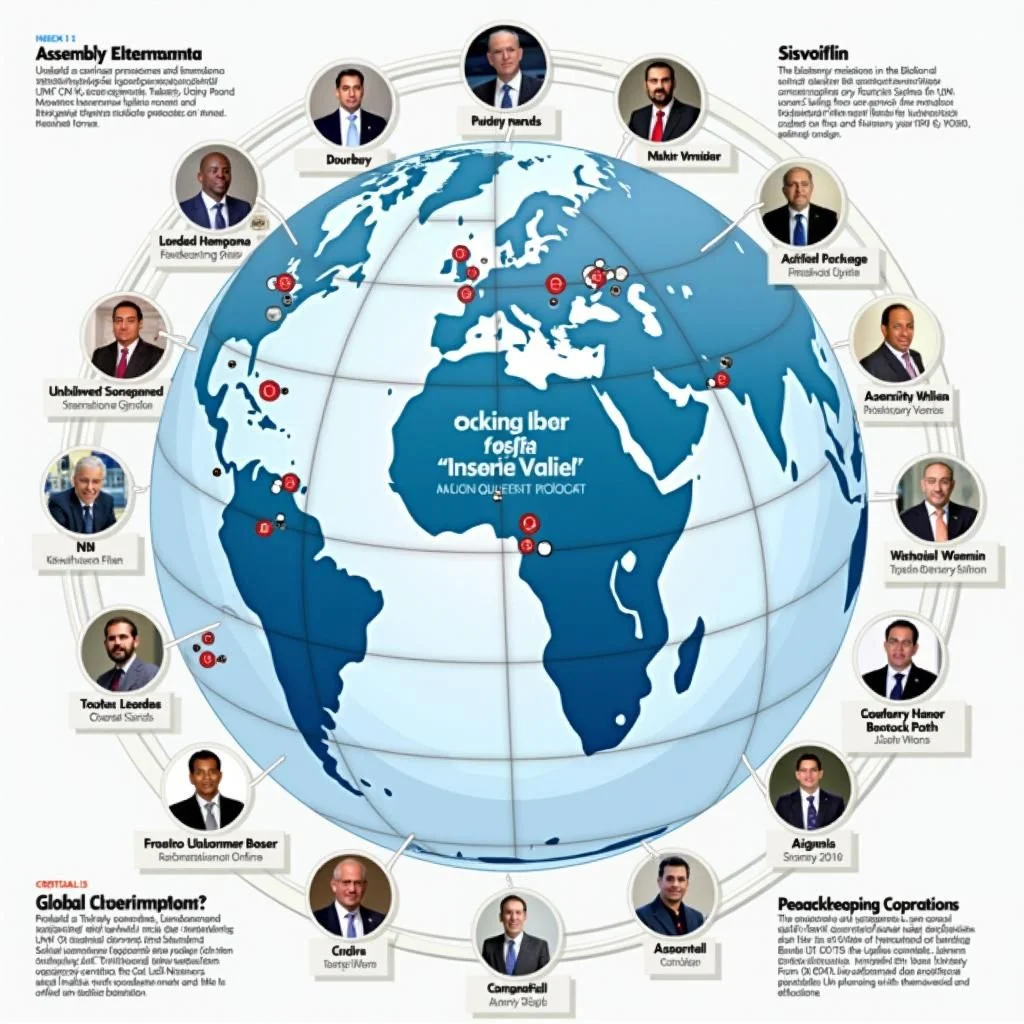
The 80th UN General Assembly is underway in New York City, running from just after Labor Day into December. The annual High-Level Week, where world leaders convene, concluded in September. This session has been marked by significant discussions and decisions, reflecting the evolving role of the UN in global security and development.
One of the defining moments of this year’s session was the uncertainty surrounding U.S. President Donald Trump‘s role and the broader implications for the UN and global order. The unofficial agenda, dominated by discussions about the U.S. and President Trump, highlighted the concern among member states about the future direction of U.S. leadership within the UN. This concern was evident in the numerous speeches that mentioned the U.S. and President Trump, underscoring the shifting dynamics of global leadership.
The contrast between the U.S. and China’s approaches to climate change was another key takeaway. While the U.S. President dismissed climate change as a “hoax,” China’s President Xi Jinping announced significant new targets for reducing carbon emissions. This divergence in approaches to a critical global issue reflects the broader geopolitical tensions and the potential for China to fill the leadership vacuum left by the U.S.
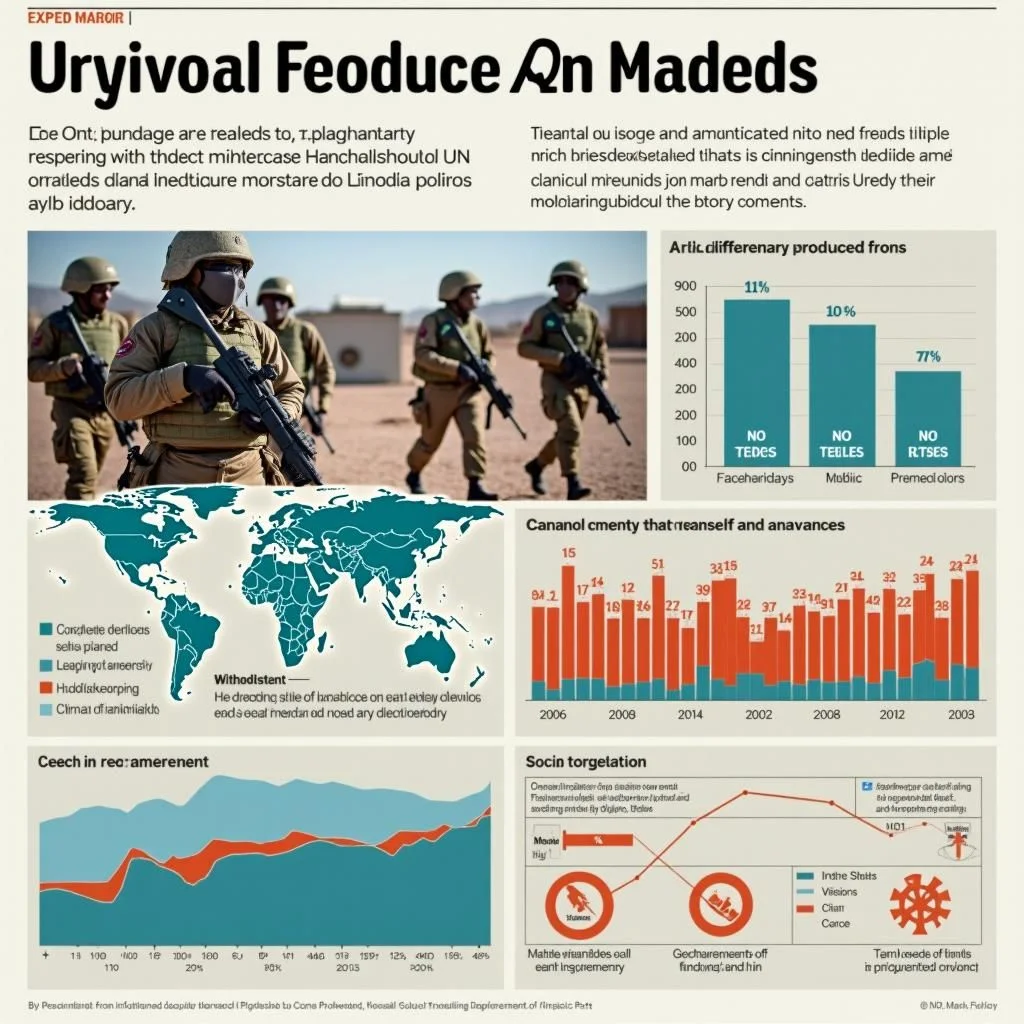
Peacekeeping efforts have seen a decline in recent years, with the number of peacekeepers and missions decreasing. However, peacekeeping remains a valuable tool for the UN, particularly in light of the cost-effectiveness compared to deploying national troops. The UN Security Council continues to use peacekeeping missions, albeit in more creative and targeted ways. Humanitarian efforts face significant challenges, including funding shortages and the intentional denial of lifesaving assistance in conflict zones like Syria and Sudan.
The UN’s role in development, particularly in achieving the Sustainable Development Goals (SDGs), has been a mixed bag. While some progress has been made, the trajectories of many SDGs have not changed significantly since 2015. Cutbacks in global development assistance from major donors like the U.S., UK, Netherlands, and Germany are expected to have significant consequences. However, there is also a renewed spirit of strategic autonomy among developing and emerging economies, seeking to build their own development paths.
Multilateralism, the cornerstone of the UN’s operations, is facing challenges. The effectiveness of multilateral institutions is often questioned, and there is a need for a compelling narrative to justify their continued relevance. The UN’s role in addressing global problems, from peace and security to climate change and development, is under scrutiny. Reform efforts are ongoing, with proposals for consolidating different agencies and programs. The UN Secretary-General’s reform agenda aims to make the organization more efficient and effective, but the path forward remains uncertain.
The UN provides a platform for cooperation and a voice for smaller and lower-income countries, which might otherwise go unheard. It serves as a global town hall where diverse perspectives can be aired and addressed. However, the UN must adapt to the changing world, leveraging new technologies to bring more voices to the table and ensure that the global community is represented in a more inclusive and dynamic way.
In summary, the 80th UN General Assembly has highlighted the challenges and opportunities facing the UN in its role as a global leader in security, development, and multilateralism. The organization must navigate shifting geopolitical dynamics, address funding and humanitarian challenges, and adapt to the evolving needs of its member states. The future of the UN will depend on its ability to reform and innovate, ensuring that it remains a relevant and effective force for global cooperation and development.