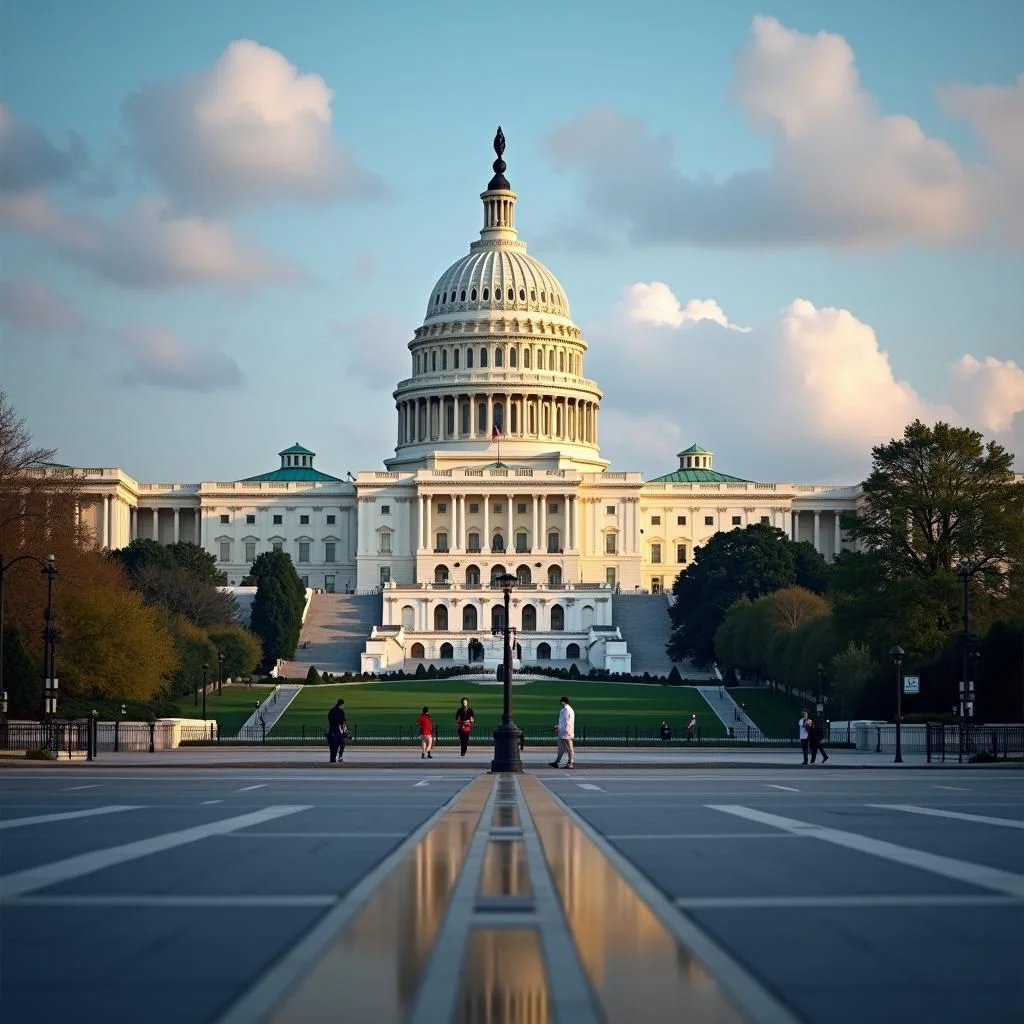
As of October 1, 2025, non-essential U.S. government operations ceased due to Congress’s failure to pass legislation funding government agencies. This shutdown is part of a series that have occurred under both Republican and Democratic administrations, regardless of which party controls Congress. The current shutdown highlights broader issues in governance, particularly the executive branch’s repeated disregard for appropriations laws passed by Congress.
The immediate cause of the shutdown is a dispute over a short-term spending measure, but the underlying context involves the executive branch’s consistent refusal to adhere to Congress’s spending directives. This ongoing power struggle between the legislative and executive branches has significant implications for governance moving forward.
The most pressing sticking points preventing a compromise include healthcare-related demands from Democrats, particularly extending subsidies for individuals purchasing health insurance through the Affordable Care Act marketplaces. October 15th is a critical deadline because it marks the first day many federal workers will miss a paycheck, increasing the shutdown’s visibility and impact.
The shutdown’s immediate impacts are widespread. National parks remain accessible, but exhibits and museums are closed. Essential services like Social Security and Medicare payments continue, but assistance for new applications or issues is unavailable. Training programs, crucial for replacing retiring government employees, are also shut down, potentially affecting critical sectors like air traffic control.
Air traffic control slowdowns are already evident, with several cities experiencing delays. This issue could play a significant role in resolving the shutdown, as past shutdowns have been resolved due to similar pressures. The shutdown also creates uncertainty for citizens seeking government services, as essential functions may continue while non-essential ones halt.
The Office of Management and Budget (OMB) has proposed drastic measures, including potential layoffs of furloughed employees and withholding back pay. These actions raise legal and operational questions. Historically, the OMB has shown a willingness to interpret laws creatively to mitigate shutdown impacts, but the current administration’s approach is unprecedented in its assertion of executive power.
The shutdown’s root causes extend beyond immediate budget disputes. Congress faces broader legislative challenges, relying heavily on must-pass measures to address political conflicts. This dynamic, combined with political polarization, particularly the Republican Party’s nihilistic stance towards government, contributes to frequent shutdown threats.
The executive branch’s repeated disregard for congressional appropriations complicates negotiations, as lawmakers have little assurance that agreed-upon deals will be implemented. This power struggle within the executive branch, between the OMB and agency heads, further complicates the situation.
Shutdowns have significant economic costs, affecting both furloughed workers and citizens relying on government services. Preventing future shutdowns requires addressing broader issues in governance, including legislative dysfunction and political polarization. The current shutdown underscores the need for structural changes to avoid repeated fiscal brinkmanship.