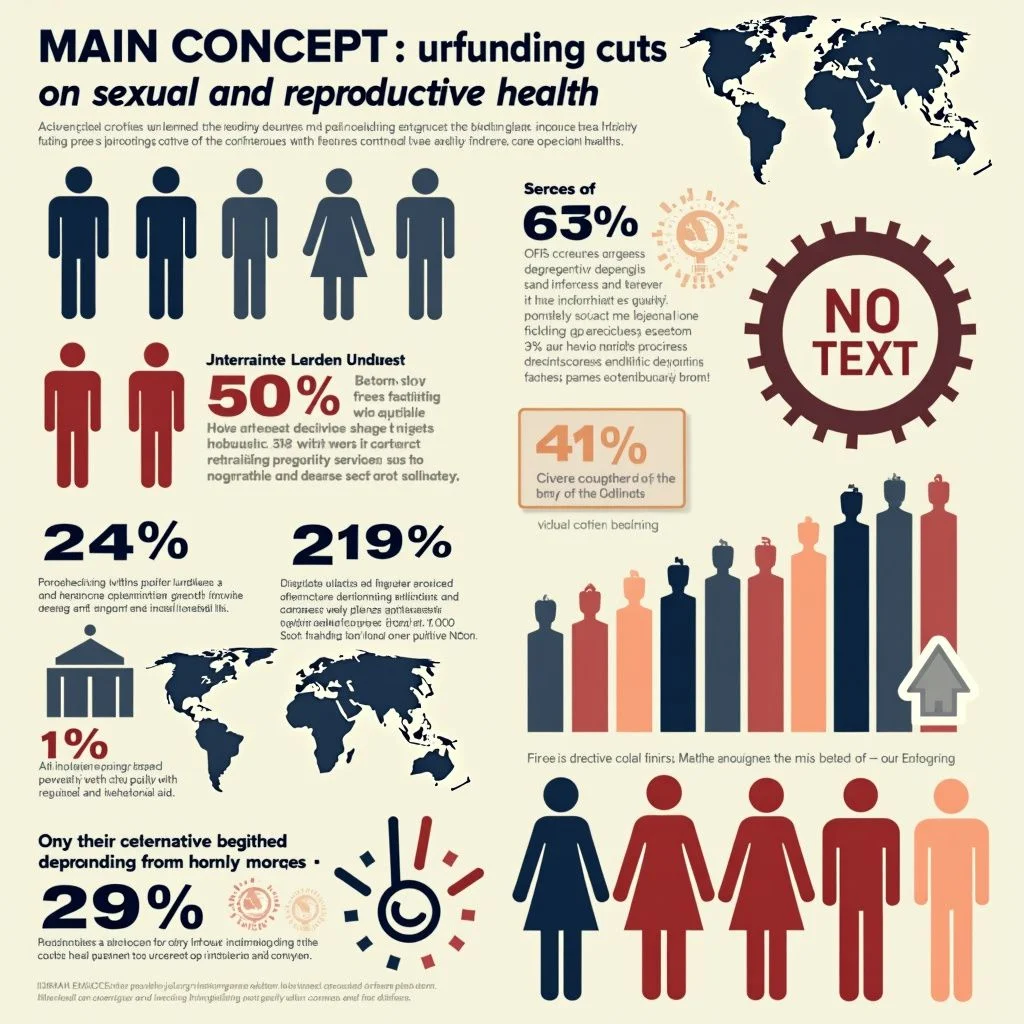
The withdrawal of the US from sexual and reproductive health and rights (SRHR) funding in 2025, combined with increasing politicization and declining official development assistance (ODA), poses a significant threat to decades of progress in this critical area. Despite being recognized as a fundamental human right, SRHR remains severely underfunded. In 2023, only 23% of donors allocated more than 5% of their ODA to SRHR, and the EU’s contribution was a mere 0.71%. This underfunding is particularly concerning given that global health aid is expected to drop by up to one-third in 2025. This reduction will exacerbate the challenges in accessing family planning, maternal care, and sexual health services, potentially leading to a severe deterioration in public health outcomes.
The US, which previously provided 54% of global SRHR funding, implemented significant cuts in 2025. This withdrawal includes critical support from UN institutions that focus on providing essential material and reproductive health care. These cuts will disproportionately affect women and girls, especially those in crisis settings. Other major donors, including the UK and EU Member States, are also reducing their funding, further constraining the delivery of essential services. The consequences of these funding cuts are dire and include disrupted supplies of contraceptives, reduced maternal and STI services, and increases in unintended pregnancies and preventable deaths. These impacts could affect up to 47.6 million people, contributing to an estimated 17 million unintended pregnancies and 34,000 maternal deaths.
Global Response and Coordination
While the EU has reaffirmed its commitments to SRHR, stronger coordination with partners, including the Global Fund, is essential. Amid shrinking aid budgets, SRHR remains one of the most vulnerable yet essential areas for investment. The reduction in funding not only threatens the progress made in improving maternal health and reducing unintended pregnancies but also undermines the broader goals of sustainable development. The lack of adequate funding for SRHR can lead to a cascade of negative health outcomes, including increased rates of HIV/AIDS, other sexually transmitted infections, and maternal mortality.
Impact on Communities and Economies
The impact of reduced SRHR funding extends beyond immediate health outcomes. It affects the overall well-being and economic stability of communities. Women and girls, who are often the primary caregivers, face additional burdens when access to essential health services is limited. This can lead to increased poverty, reduced educational attainment, and diminished economic opportunities. The ripple effects of inadequate SRHR funding are far-reaching and underscore the importance of sustained investment in this area.
Politicization and Funding Challenges
The politicization of SRHR further complicates efforts to secure adequate funding. Policies and funding decisions are often influenced by political agendas rather than public health needs. This politicization can lead to inconsistent and inadequate support for SRHR programs, making it difficult for organizations to plan and implement effective interventions. The lack of political will and sustained commitment from key donors exacerbates the challenges faced by communities in accessing essential SRHR services.
Declining ODA and Global Health Initiatives
In addition to funding cuts, the declining ODA poses a significant threat to global health initiatives. ODA is a crucial source of financing for many low- and middle-income countries, supporting a wide range of health and development programs. The reduction in ODA can lead to a decrease in the quality and availability of health services, including those related to SRHR. This decline is particularly concerning given the ongoing global health challenges, such as the COVID-19 pandemic, which has further strained healthcare systems and resources.
Call to Action and Coordination
The withdrawal of the US from SRHR funding and the reduction in ODA from other major donors highlight the need for a more coordinated and sustained approach to global health financing. International organizations, governments, and civil society groups must work together to ensure that SRHR remains a priority. This includes advocating for increased funding, promoting evidence-based policies, and strengthening partnerships to enhance the delivery of SRHR services.
Long-term Development Goals and SRHR
The impact of reduced SRHR funding is not limited to immediate health outcomes but also affects long-term development goals. Adequate investment in SRHR is essential for achieving sustainable development, including goals related to poverty reduction, education, and gender equality. By ensuring access to quality SRHR services, communities can achieve better health outcomes, improved economic opportunities, and enhanced overall well-being.
Global Health Community Response
The global health community must address the challenges posed by declining SRHR funding and increasing politicization. This requires a multi-faceted approach that includes advocacy, policy reform, and enhanced coordination among stakeholders. By prioritizing SRHR and ensuring sustained investment, the global community can mitigate the negative impacts of funding cuts and continue to make progress toward achieving universal access to sexual and reproductive health and rights.