From October 13-18, the World Bank and International Monetary Fund hosted their 2025 Annual Meetings, bringing together prominent figures in development finance from around the world. These meetings provided a platform to discuss global economic trends, challenges, and opportunities, with a particular focus on sustainable and inclusive growth.
The discussions highlighted several key priorities for driving global economic development. One of the most pressing issues was the impact of protectionism and trade tensions on global growth. Despite these challenges, there were opportunities to create jobs and foster economic development. International cooperation and multilateralism were emphasized as crucial for addressing these issues and ensuring sustainable development at both national and global levels.
Global leaders were advised to focus on enhancing productivity and competitiveness across various sectors. Maintaining macroeconomic stability through fiscal and monetary policy reforms was identified as essential for creating a conducive environment for policy predictability. Structural reforms at the sectoral level, including improvements in the business environment, enhancing competition, and facilitating green transitions, were also highlighted as critical for sustaining macroeconomic stability.
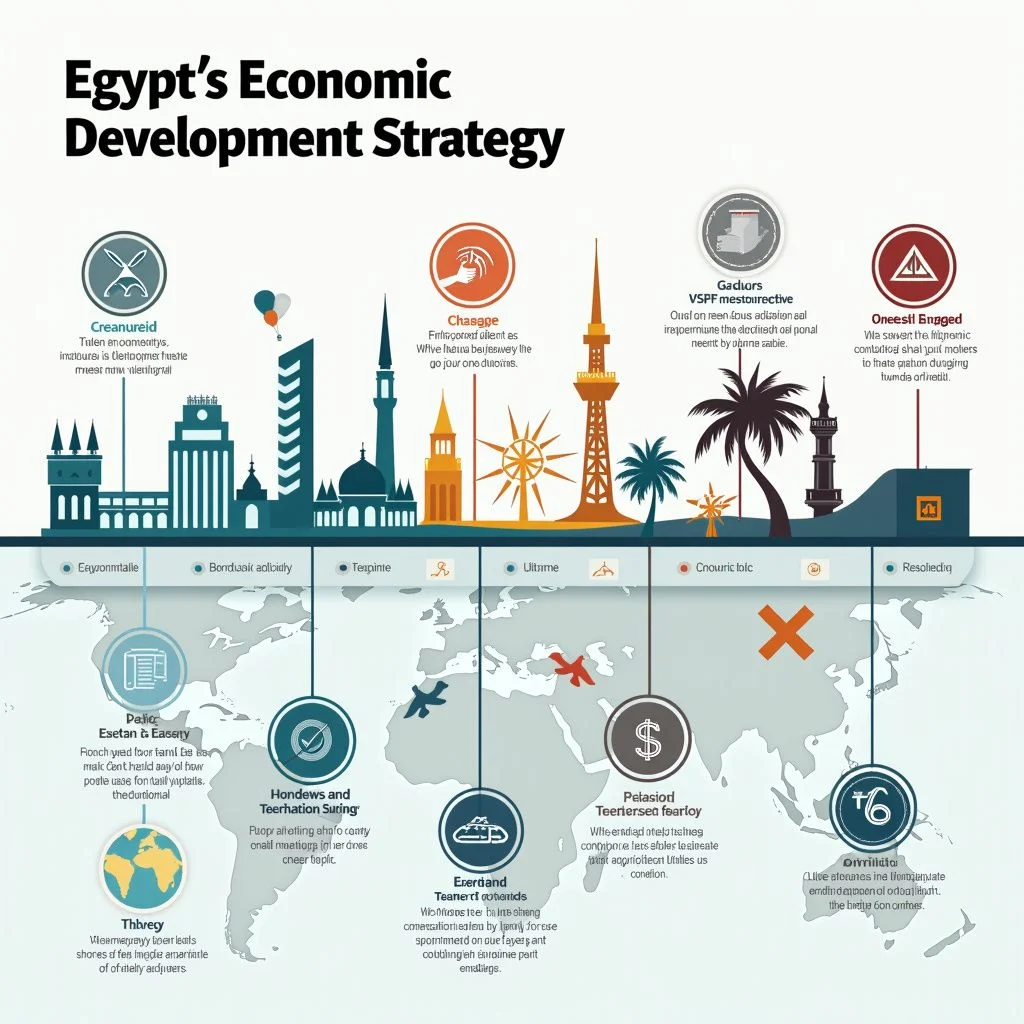
Egypt, for instance, has outlined a comprehensive National Narrative for Economic Development. This initiative emphasizes microeconomic stability and aims to transition to an economy reliant on tradable goods and high-productivity sectors. The narrative includes detailed structural reforms targeting improvements in the business environment, customs, and taxes, all aimed at achieving growth, job creation, and resilience. This whole-of-government effort is supported by quantitative targets to ensure clear and measurable progress.
International financial institutions (IFIs) play a pivotal role in adapting their mandates and instruments to the evolving geopolitical and economic landscape. These institutions provide not only financing but also sectoral studies and capacity-building initiatives. In Egypt’s case, there has been a significant focus on directing concessional finance towards private investments. Over the past four years, Egypt has mobilized over $15 billion for the private sector, supporting growth and job creation in areas such as renewable energy, pharmaceuticals, and food processing.
Key sectors for economic growth
The World Bank’s focus on five key sectors—sustainable infrastructure, renewables, energy, tourism, healthcare, and manufacturing—aligns closely with Egypt’s development agenda. These sectors are crucial for Egypt’s economic growth, with tourism contributing 15% to its GDP. The World Bank’s initiatives in healthcare and manufacturing further support Egypt’s development goals, creating opportunities for triangular cooperation between the Bank, Egypt, and other countries.
The discussions at the World Bank and IMF Annual Meetings provided actionable ideas for shaping global policy and practice. These ideas include enhancing productivity, fostering international cooperation, and directing financial resources towards high-impact sectors. By translating these insights into tangible outcomes, countries like Egypt can achieve sustainable economic growth and development.