Republicans narrowly avoided a significant setback in Tennessee’s special House election on Tuesday, but the election results highlighted a concerning trend of shifting public opinion against them. The year has seen a series of electoral indicators, including special elections and key contests in New Jersey, Virginia, and California, all pointing to a significant shift away from President Trump and his party. This shift indicates a deterioration of the coalition that elected him in 2024, a highly motivated Democratic base, and the persistent influence of affordability issues in driving voter discontent. Affordability has become the defining political issue of the year, and attempts to downplay its importance are unlikely to stem the tide of public dissatisfaction.
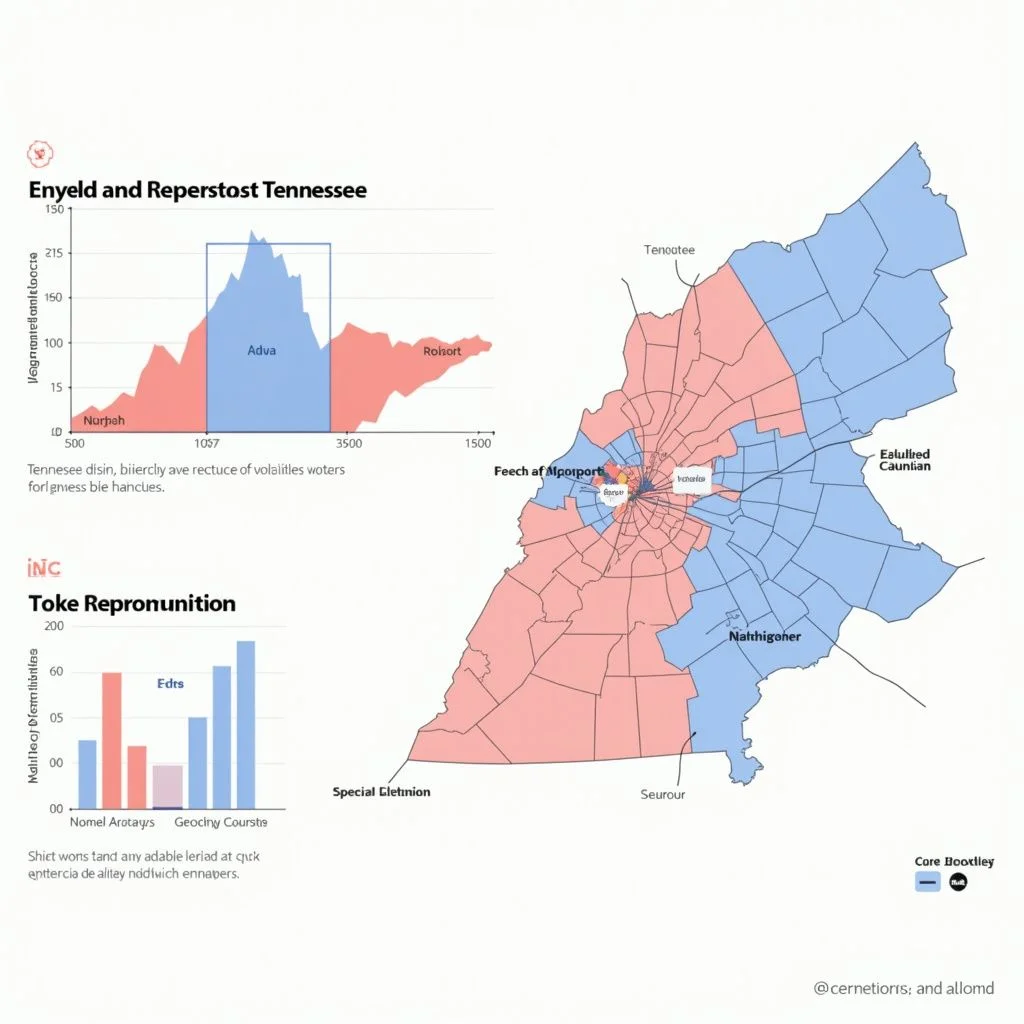
The Tennessee 7th Congressional district, carefully gerrymandered to favor Republicans, saw a significant narrowing of the margin. Trump won the district by 22 points in 2024, and the retiring Republican, Mark Green, had won by substantial margins in previous elections. However, on Tuesday, Republican Matt Van Epps defeated Democratic State Representative Aftyn Behn by just 8.6%. Behn’s campaign focused heavily on affordability, resonating strongly across the district and increasing the Democratic vote share in every county. Notably, the largest swing occurred in urban Davidson County (Nashville), where the Democratic vote share increased by 20 points. Rural and suburban counties saw more modest but still significant swings.
The implications of this shift are profound. Democratic pollster data from 60 special elections in 2025 showed that Democrats outperformed Republicans in 50 of these contests, with an average swing of 13%. This trend is consistent with other special Congressional elections this year, where Democrats saw swings of 16 to 23 points in Florida, 16 points in Virginia, and 17 points in Arizona. Such swings could put additional Republican House seats in jeopardy.
The Tennessee race was unusual due to high turnout, approaching midterm levels rather than the typical lower turnout of special elections. This high turnout suggests that both voter motivation and persuasion played significant roles in the Democratic gains. The gerrymandering in Tennessee, which split Nashville into three parts, held up despite the challenging circumstances. Behn won overwhelmingly in the Nashville portion of the district but lost elsewhere. This outcome could influence future gerrymandering efforts, as Republican incumbents may be reluctant to risk their chances by redrawing districts to strengthen the party elsewhere.
The debate among Democrats over whether Behn’s progressive stance is a model or a warning sign continues. Behn’s campaign emphasized affordability issues, including prices, health care, and rural hospital closures, while downplaying more radical statements from her past. Republicans, however, used these past statements to attack her, particularly in the final days of the campaign. This strategy, combined with Trump‘s efforts to mobilize Republican voters, helped Van Epps secure his victory.
The strategic tension for Republicans is clear: embracing Trump helped Van Epps mobilize the Republican base in a heavily Republican district, but this approach could backfire in districts where Trump‘s margin was smaller. Republican pollsters noted that the outcome was consistent with broader trends, indicating a sustained shift away from Trump and the GOP. Behn’s concession speech, which sounded more like a victory speech, underscored the political urgency of addressing affordability issues and the potential for Republicans to break with party orthodoxy.
The year since the 2024 election has seen significant shifts in political dynamics. The Tennessee special election is just one example of a broader trend that suggests a new political landscape is emerging, with affordability and voter motivation playing crucial roles.