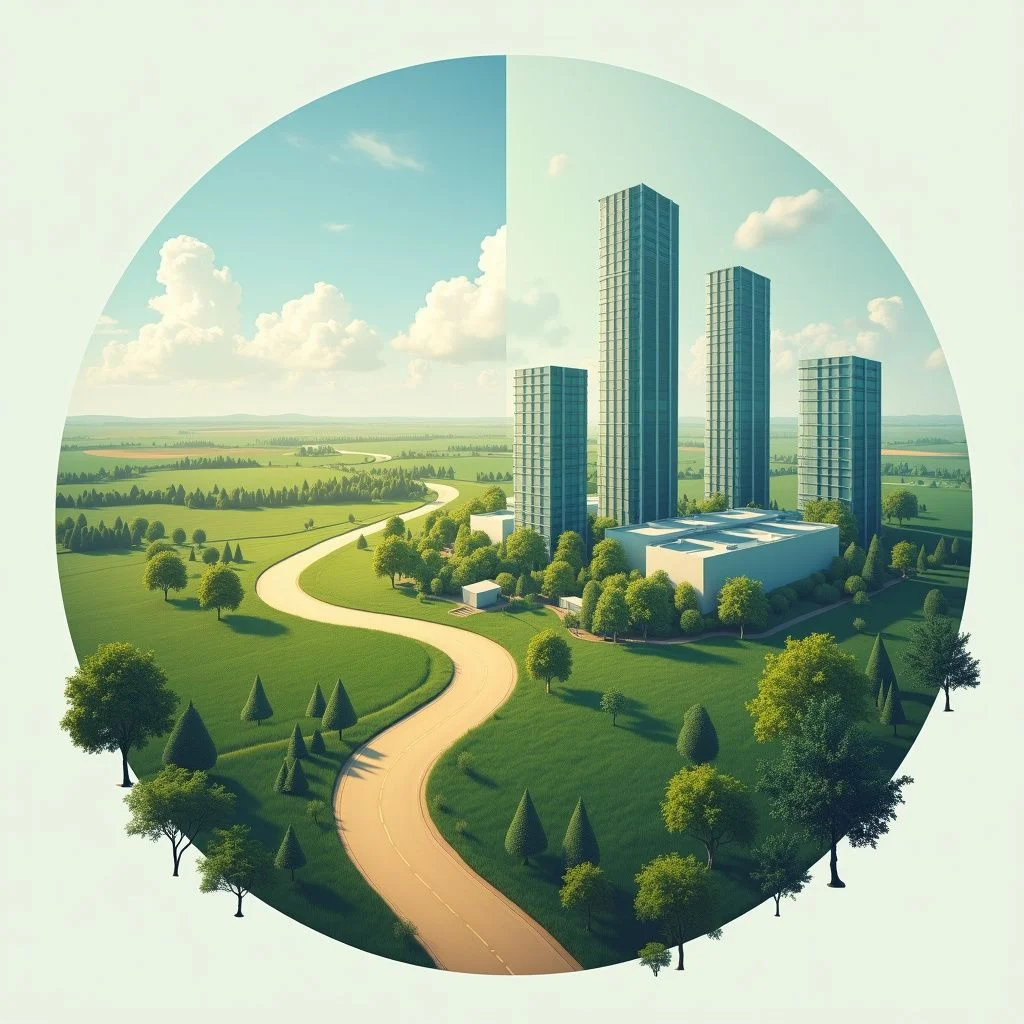
The data center revolution, driven by the increasing demand for artificial intelligence (AI) and cloud infrastructure, is reshaping the economic and technological landscape of the United States. This transformation is particularly evident in rural communities, where the construction of data centers is seen as a potential economic boon but also raises significant concerns about environmental impact, local control, and long-term sustainability.
The current data center landscape is dominated by a few major companies, including OpenAI, Microsoft, Amazon, xAI, and Google. These companies are investing heavily in data centers to support the growing demand for AI and cloud services. The development of these centers is influenced by a deregulatory environment that has historically supported technological advancement. However, the rapid growth of AI and data centers has outpaced the modernization of the energy grid and other necessary infrastructure, posing challenges for sustainable development.
The State of U.S. Data Center Development
The U.S. leads globally in the number of data centers, with approximately 5,000 out of the world’s 12,000. This leadership is partly driven by geopolitical considerations, including the competition with China in AI development and national security concerns. China’s approach to energy efficiency in AI infrastructure serves as a model for the U.S., highlighting the need for a more sustainable and efficient data center development strategy.
Attractiveness of Rural Locations
Rural communities are attractive to data center developers due to several factors, including the availability of land, proximity to electrical grids, and access to natural resources like water. These communities often see data centers as an opportunity to revitalize their economies, which have historically relied on industries like coal mining and timber. However, the highly technical nature of data centers means they may not provide the traditional economic benefits that rural communities are accustomed to, such as job creation and improved quality of life.
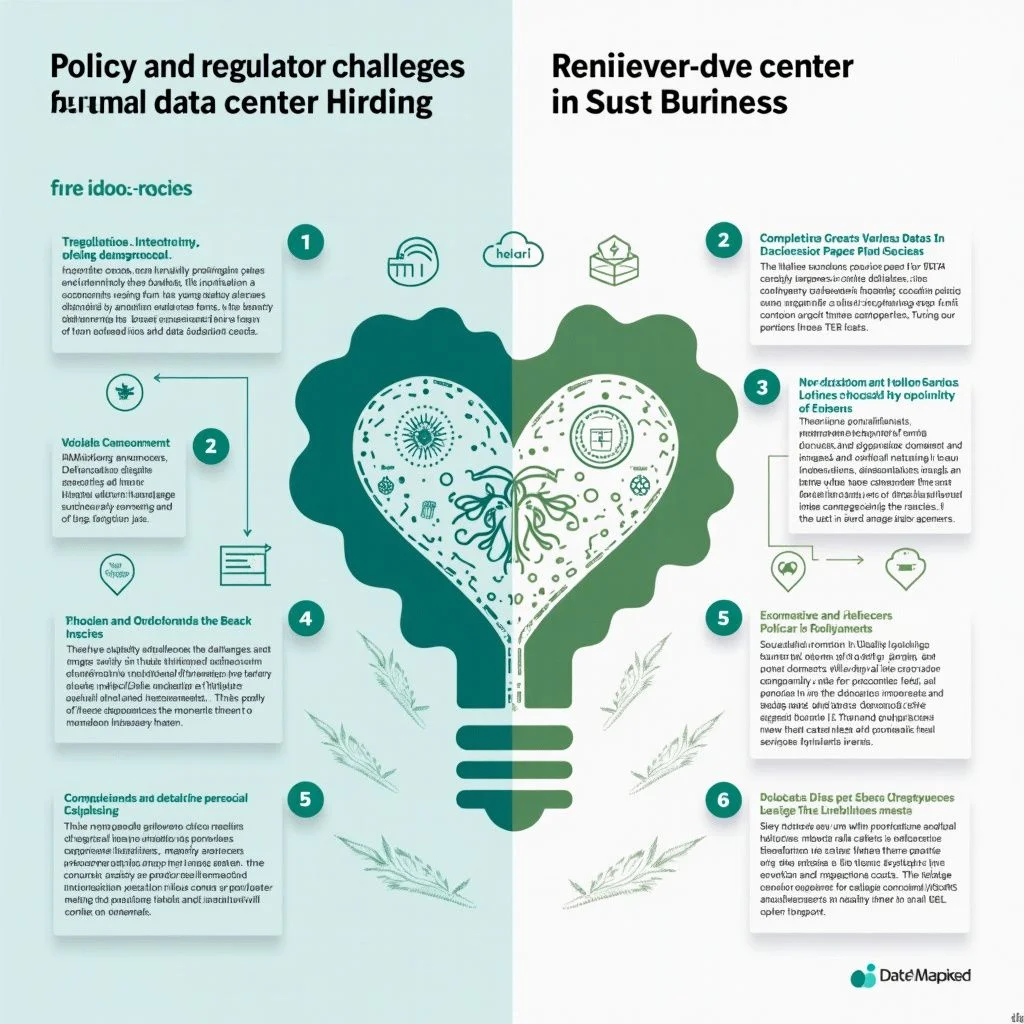
Policy and Regulatory Challenges
The development of data centers in rural areas is influenced by state and federal policies. For example, West Virginia has enacted legislation to centralize the approval of data center projects and distribute most tax revenues to the state. This approach aims to attract data center developers by streamlining the permitting process. However, it also raises concerns about environmental protections and the long-term benefits for local communities.
The Lack of Transparency in Data Center Development
The lack of transparency in data center development is a significant issue. Non-disclosure agreements (NDAs) and closed-door negotiations often leave local communities in the dark about the specifics of these projects. This secrecy can lead to a lack of community input and environmental concerns being overlooked. Policymakers and tech companies must ensure that data center development is transparent and beneficial to local communities, addressing issues such as job creation, environmental impact, and infrastructure modernization.
Job Creation and Economic Benefits
Data centers primarily create jobs during the construction phase, with opportunities for surveyors, inspectors, and tradespeople. However, once the facility is operational, the number of jobs is significantly reduced, typically to a few dozen positions for maintenance and security. This limited job creation raises questions about the long-term economic benefits for rural communities.
Community Benefit Agreements
Community benefit agreements can help ensure that data centers provide lasting benefits to local communities. These agreements can include investments in local infrastructure, job training programs, and other initiatives that support community development. Without such agreements, the economic value of data centers to rural communities remains uncertain.
Long-Term Risks and Considerations
The long-term risks of data center development include economic volatility, the potential for an AI bubble, and the need for sustainable infrastructure. Communities must weigh these risks and consider how data centers will impact their energy, housing, and overall future. It is crucial to engage in open, accountable processes that ensure shared economic development and protect rural communities from exploitation.
Conclusion
In summary, the data center revolution presents both opportunities and challenges for rural communities. While these centers can bring economic development and technological advancement, they also require careful consideration of environmental impact, local control, and long-term sustainability. Transparent and inclusive policies are essential to ensure that data center development benefits local communities and supports a sustainable future.