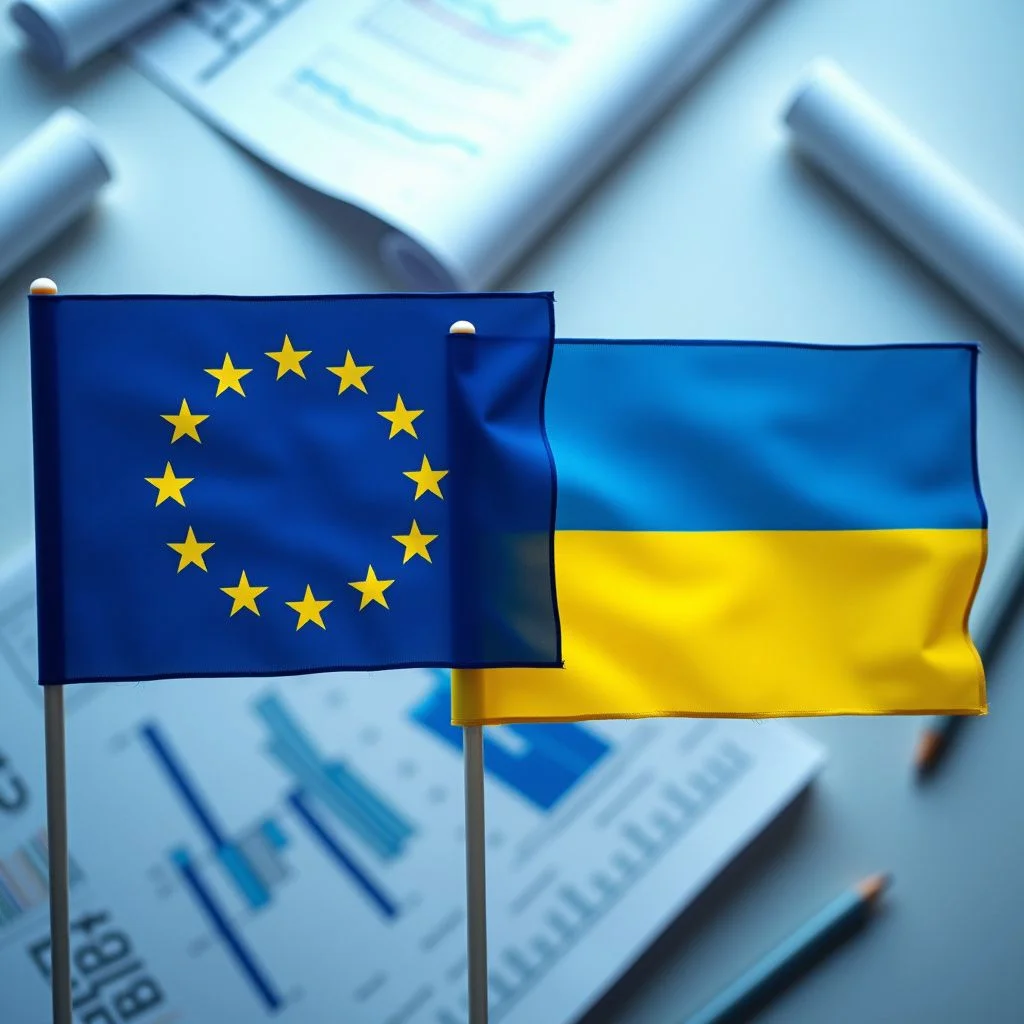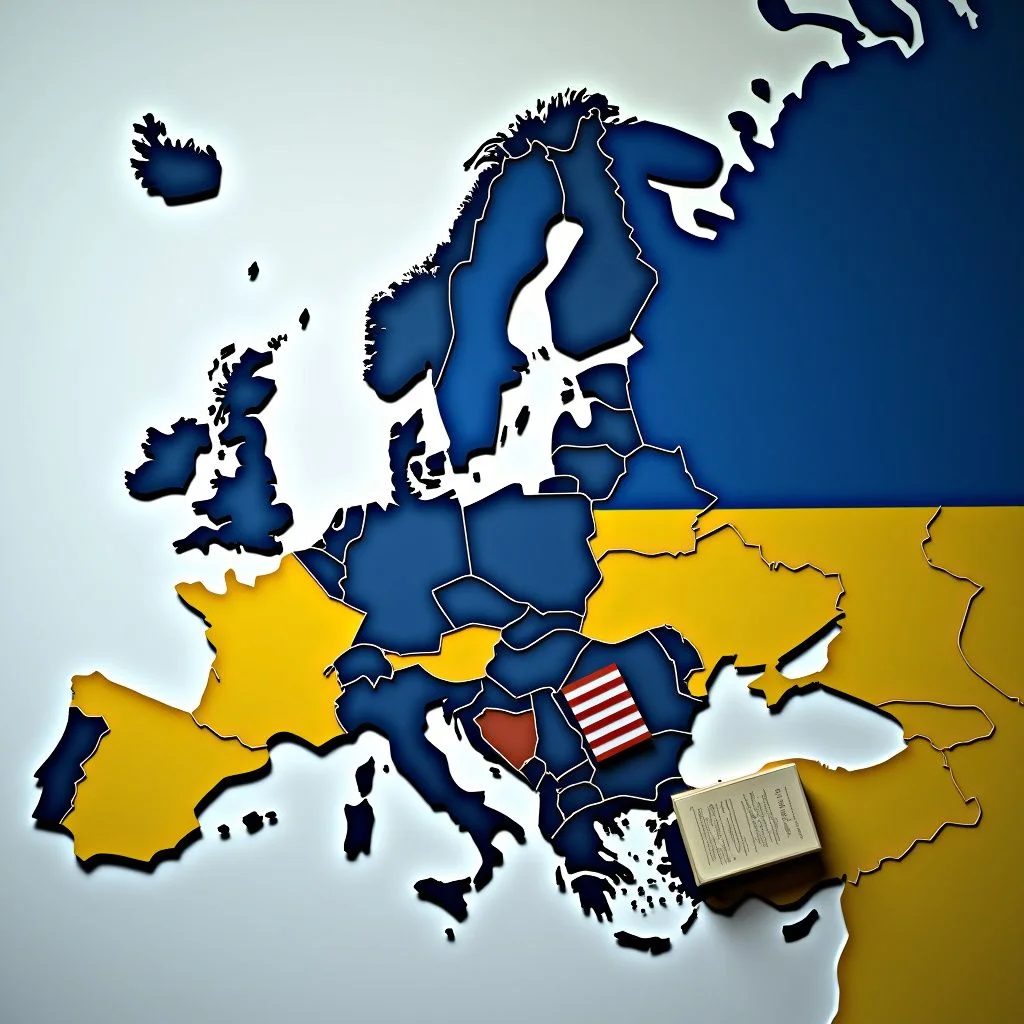
It is imperative for the European Union to develop its own peace plan for Ukraine, one that is both realistic and coordinated with Kyiv. The current geopolitical landscape necessitates that Europe takes a proactive role in ensuring a just and sustainable peace that serves the interests of European security and provides Ukraine with the necessary security guarantees.
The United States, under its current administration, has shown little interest in a peace that aligns with European security priorities. There is a risk that the White House might accept a Russian sphere of influence in Europe if it secures favorable business deals with Moscow. This scenario underscores the need for Europe to act independently and in alignment with its own strategic interests.
Europe’s primary partner in achieving peace and security should be Kyiv, not Washington. The integration of Ukraine into both the EU and a broader European security architecture is not just an option but a necessity. This integration would provide Ukraine with the support and stability it needs to rebuild and thrive. Brussels must define its role in providing security guarantees, utilizing Russian frozen assets, and developing long-term funding mechanisms for Kyiv. Eurobonds could be a viable option for sustaining economic support over the long term.
Key Components of the European Peace Plan
For Europe to have a meaningful seat at the table in negotiations about its future, it must take greater responsibility for influencing Moscow’s cost-benefit calculations. This involves ending the war through a coalition of willing nations that can act decisively, provide necessary resources, and establish a negotiation channel with Russia. Only through such concerted efforts will both the U.S. and Russia recognize Europe as a significant actor in the peace process.
The EU must also consider the broader implications of its actions. A coordinated and robust peace plan would not only address the immediate security concerns but also lay the groundwork for long-term stability in the region. This includes economic reconstruction, political stabilization, and the strengthening of democratic institutions in Ukraine. By taking these steps, Europe can ensure that the peace achieved is sustainable and beneficial for all parties involved.
Multi-Faceted Approach to Peace
The development of a European peace plan requires a multi-faceted approach. It involves diplomatic efforts to engage with Russia, economic measures to support Ukraine, and military preparedness to deter further aggression. The EU must leverage its economic power to impose sanctions that have a tangible impact on Russia’s decision-making process. Simultaneously, it must provide Ukraine with the military and economic aid necessary to defend itself and rebuild its infrastructure.
Furthermore, the EU must work closely with other international actors, including NATO and regional organizations, to create a unified front. This collaboration is essential for ensuring that the peace plan is effective and that all stakeholders are committed to its implementation. The EU’s leadership in this endeavor will be crucial in shaping the future of European security and stability.
Humanitarian Aspects of the Conflict
The EU must also address the humanitarian aspects of the conflict. The displacement of people, destruction of infrastructure, and economic hardships faced by the Ukrainian population require immediate and sustained humanitarian aid. The EU’s role in providing this aid will not only alleviate suffering but also demonstrate its commitment to the people of Ukraine.
In conclusion, the EU’s development of a comprehensive peace plan for Ukraine is essential for achieving a just and sustainable peace. This plan must be realistic, coordinated with Kyiv, and supported by a coalition of willing nations. By taking a proactive role in influencing Moscow’s cost-benefit calculations and providing the necessary resources to Ukraine, the EU can ensure that its future is secure and stable. The integration of Ukraine into the EU and a broader European security architecture will be a cornerstone of this peace plan, providing Ukraine with the support it needs to rebuild and thrive.