
Why Are European Companies Struggling in China?
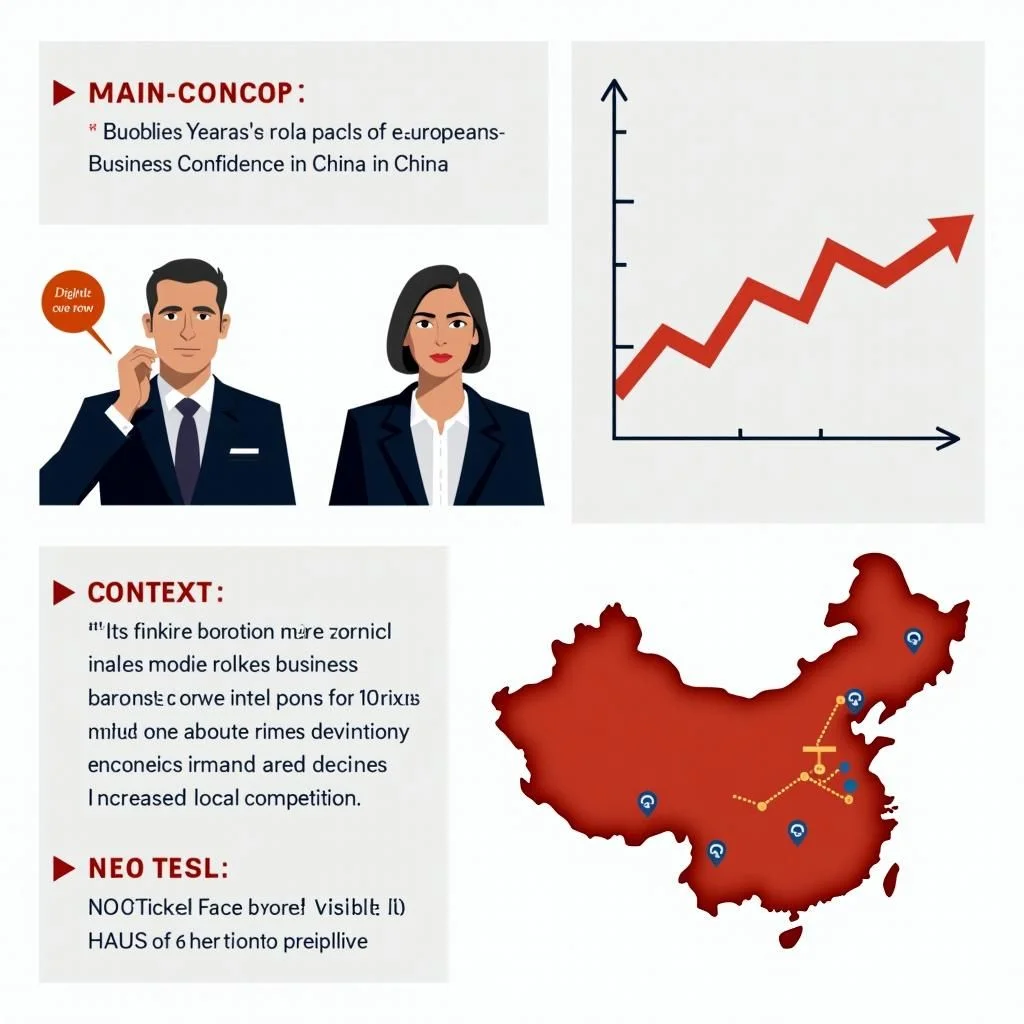
European companies are losing interest in China due to local competition, regulation, and geopolitical factors, despite the opportunities it offers. The situation calls for a review of business strategies.
From divestment to investment: Spain’s governance framework for a just transition.
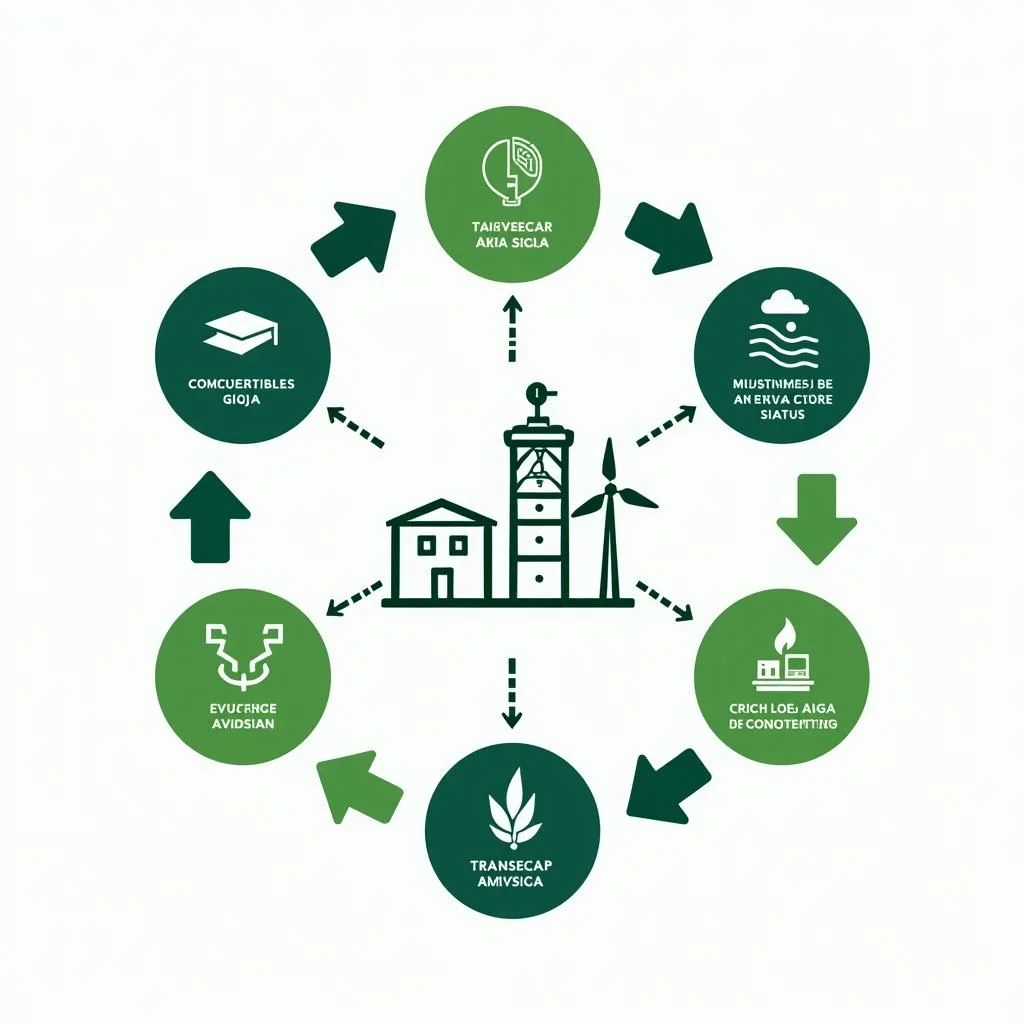
The article analyzes the just transition to renewable energy, highlighting governance frameworks in the EU and Spain, and the proposal to create just transition renewable agreements to distribute benefits and increase social acceptance. The ILO and the Paris Agreement drive this process internationally, while the European Green Deal and the Just Transition Mechanism are key tools in the EU.
China: Resilient Growth, Permanent Challenges
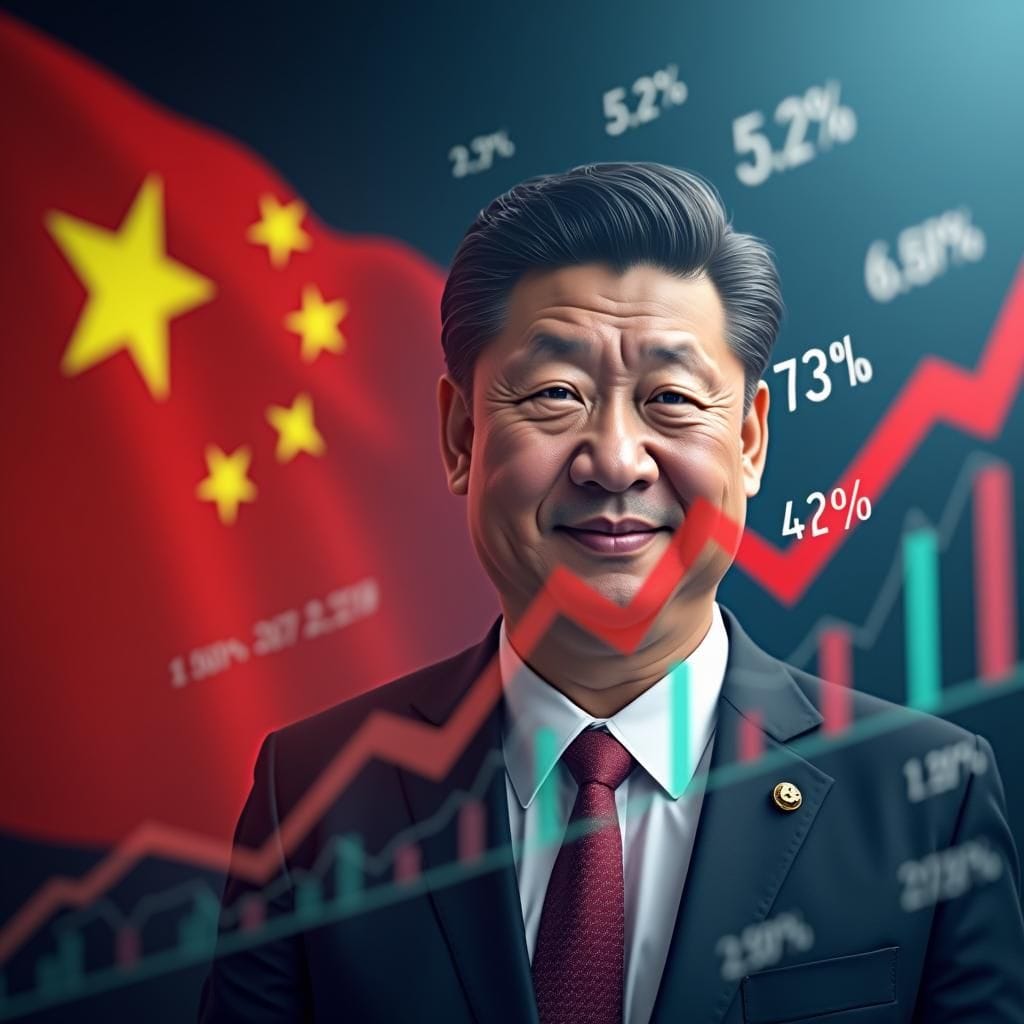
The Chinese economy grew by 5.2% in the second quarter of 2025. Despite signs of weakness, the government remains cautious with stimulus measures to meet its annual target. Industrial stagnation is offset by sectors such as services and agriculture. Rising risks and spending control measures suggest caution. The real estate crisis and international commercial uncertainty affect the economic outlook.
Central Asia: Regional Awakening, Global Attention
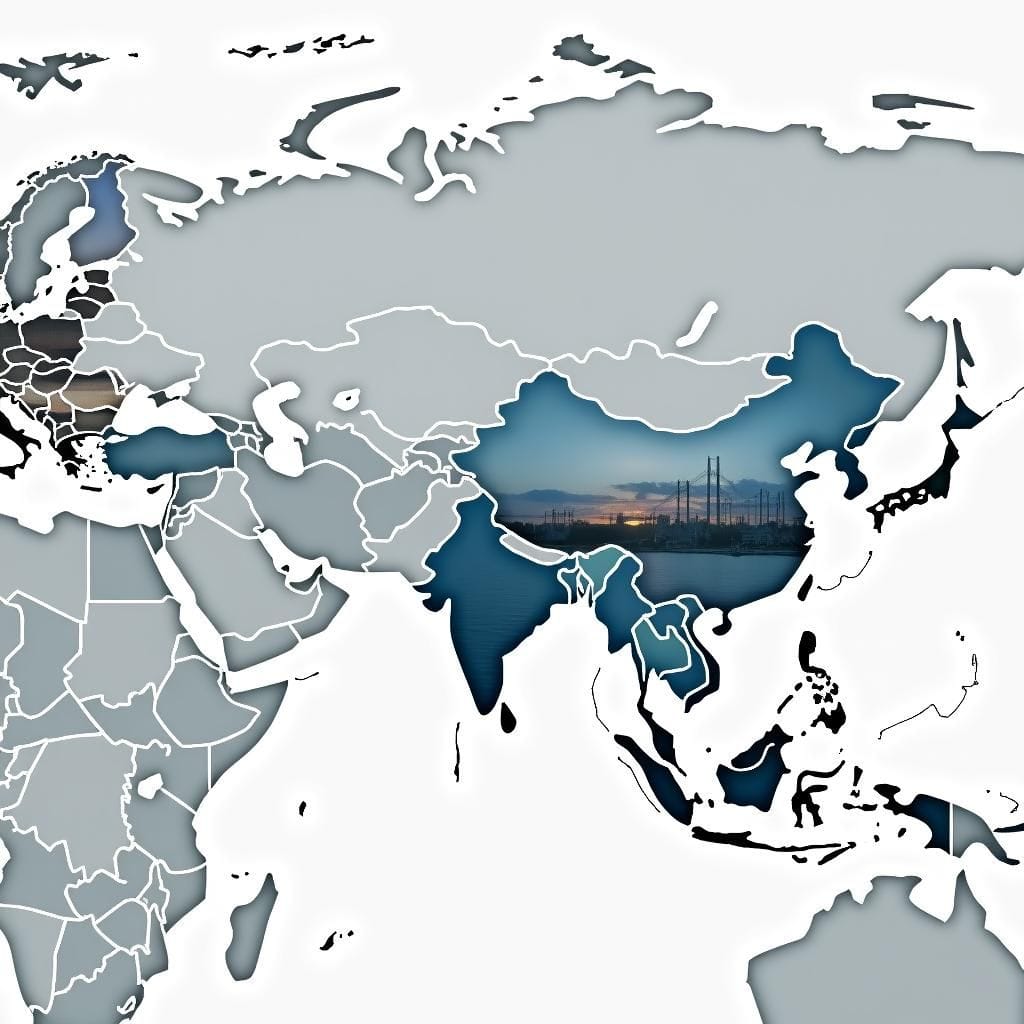
The diplomatic awakening in Central Asia attracts global attention due to the war in Ukraine and Chinese and Russian initiatives. The EU and other powers consider 2025 as a crucial year for the region, with recent summits in Samarkand and Astana. Europe seeks new energy alliances and investment, although the region expects concrete actions.
Empowering Education with AI

The use of Artificial Intelligence (AI) in education is on the rise, with a market valued at $7 billion in 2025. It is expected to grow by 36% annually over the next decade. Responsible integration of AI is crucial to benefit students and teachers, although poor implementation can hinder learning. Key principles include transparency, accountability, and equity.