
How are Americans using AI? Findings from a national survey.
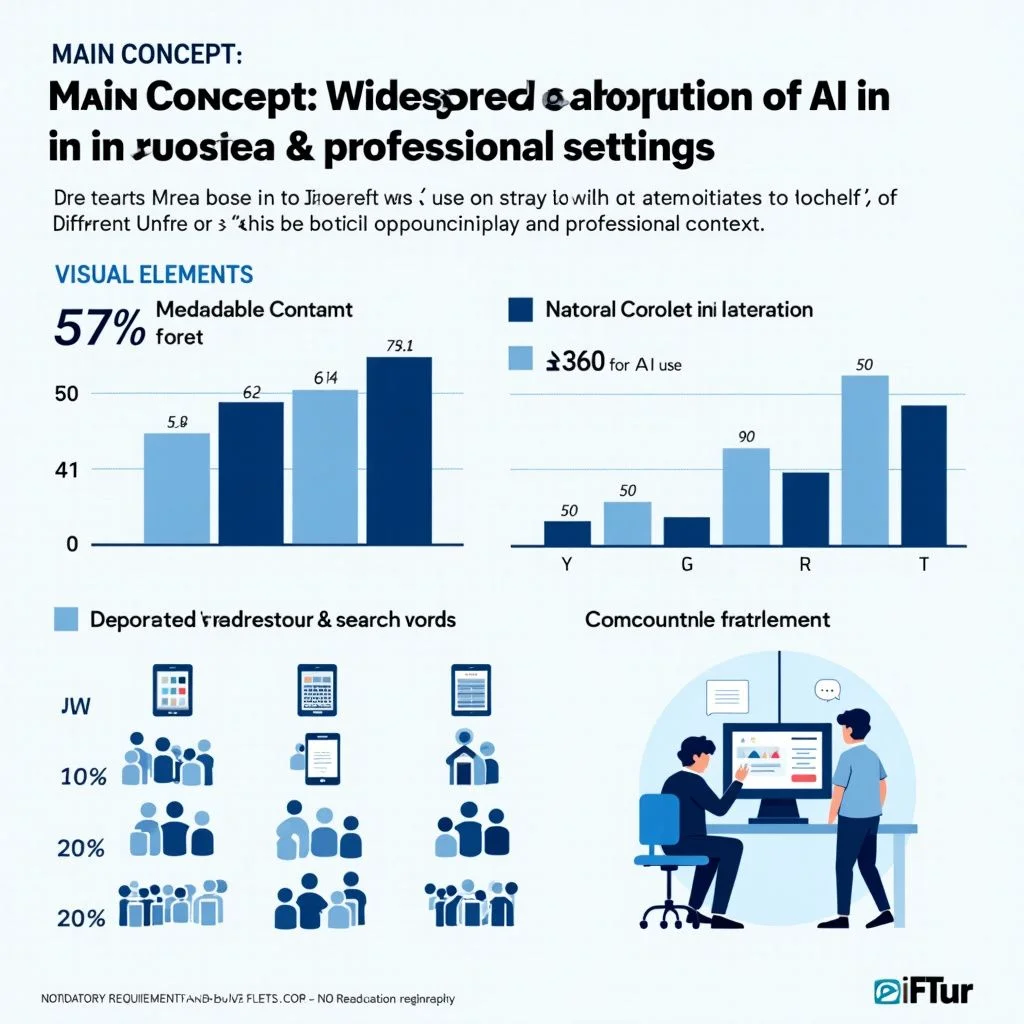
The rapid emergence of AI increases the need to understand its social and economic adoption. A national survey shows extensive use both at home and at work, with greater adoption among people with higher education and concern about job disruption. Business adoption is common in large and small companies, with demographic differences in its use.
Analysis of the EU-CELAC Summit: Achievements and Challenges
The IV EU-CELAC Summit in Santa Marta discusses geopolitical fragmentation and conflictive relations between presidents. The US and China facing off impact Latin America. Trump relates to right-wing and center-right leaders. The EU promotes multilateralism and human rights. The final declaration shows regional division regarding the US.
The Nuclear Arms Race between the United States and Russia: Beyond Deterrence

The nuclear testing escalation between the United States and Russia has generated tensions since October, with statements from Putin and Trump on advanced weapons. The New START Treaty expires in 2026, and Russia proposed its unilateral extension without US response. Positions on arms control diverge and treaty renewal is unlikely. It is crucial to avoid nuclear escalation and maintain communication channels to reduce risks.
Latam-GPT: The Quest for AI Sovereignty

The Latam-GPT team is refining its model with Spanish materials from Latin America, coordinated by Chile’s National Center for Artificial Intelligence, to create local artificial intelligence that reflects the region’s languages, cultures and histories. Despite obstacles such as talent flight, it aims to be a public infrastructure for educational applications and public services, highlighting institutional diversity and cross-border collaboration.
The No Kings Day Protest: Unveiling Americas Support for Political Violence
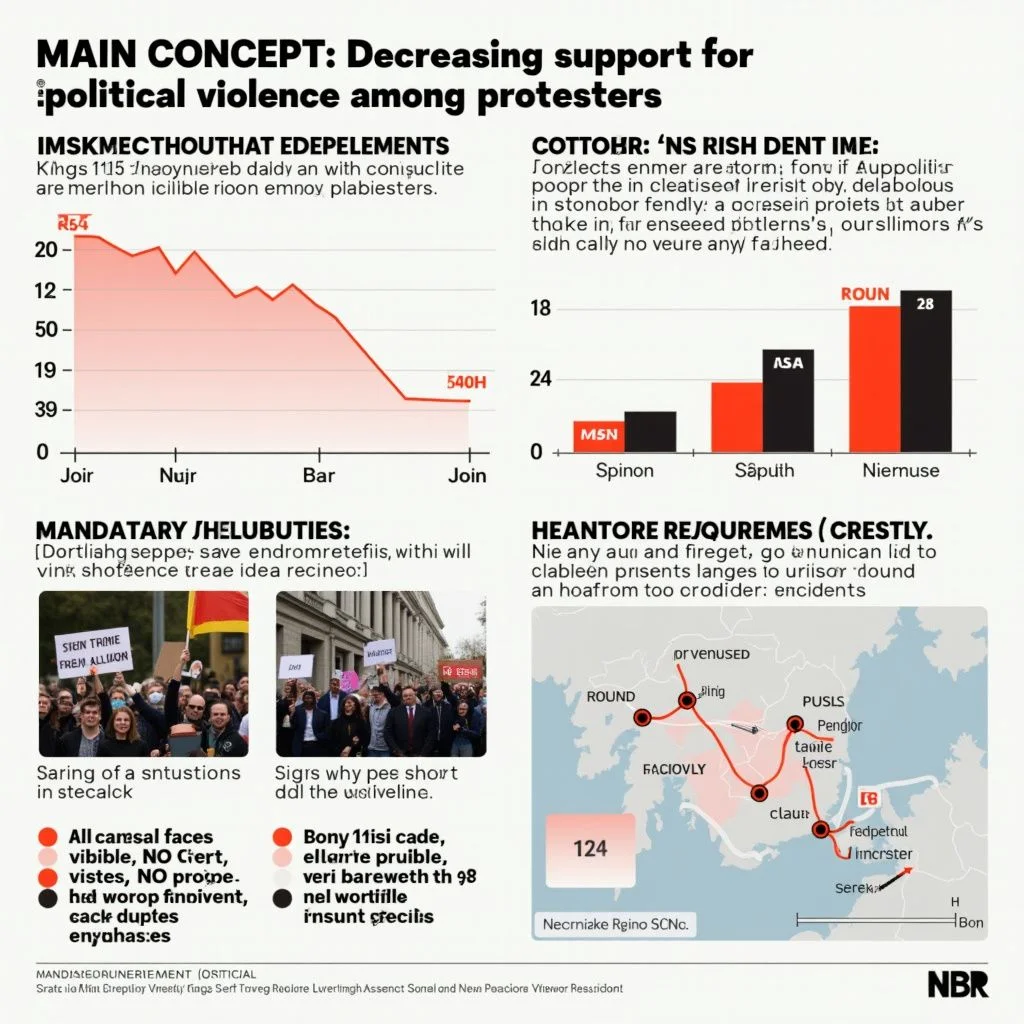
The second day of the No Kings Day protest in 2025 shows an increase in opposition to political violence in the US. Most participants are women, white, educated and voted Democrats. Despite demographic consistency, there is a significant decrease in support for political violence. The national survey shows a 9% increase on the left and a 12% decrease on the right.