
Transforming the International Community: African Leadership in the 80 Years of the UN
The UN Summit on Africa highlights the need for African leadership to transform the international community. Landry Sign, of Brookings, interviews Angola’s Minister of Industry and Trade, Rui Miguens de Oliveira, who stresses the importance of Africa’s proper representation in international forums and advocates for inclusive global governance to promote development and international cooperation. Listen to this dialogue on the Foresight Africa podcast.
How Title IV refund policies prevent college students from re-enrolling.

The R2T4 policy prevents college students from re-enrolling if they withdraw before the 60% academic period, leaving them with debts and forcing them to return unearned funds to the government, which can affect their future enrollment, especially low-income students.
The Road to Victory: Discover the Reasons for Javier Milei’s Success

Javier Milei won unexpectedly in the Argentine parliamentary elections, due to US economic aid, the introduction of the paper ballot, political polarization and low participation. Most voted to avoid a greater evil. The government must change course to consolidate its re-election in 2027.
European Vision: Ideas for the Future of the Union

The “Generation Europe” project brings together proposals from young Spaniards for the future of the EU, addresses challenges of cohesion, climate and security, and highlights the low political participation of young people. It seeks to integrate their visions into public policies and promote their representation in areas such as democracy, sustainable energy, international relations, security, technology and economy, creating an intergenerational dialogue space.
Collaborative Evolution: Multilateral Cooperation and Development Financing
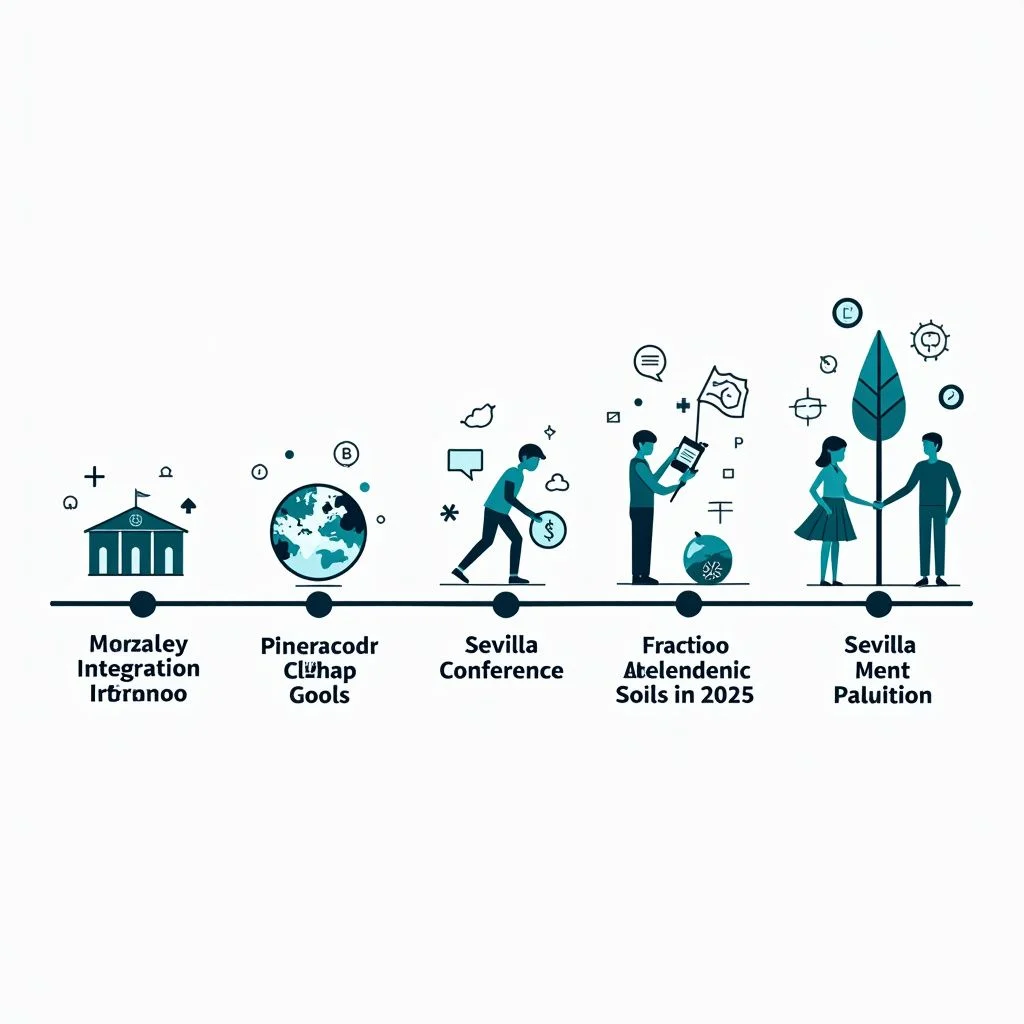
The Fourth International Conference on Development Financing in Seville highlights the crisis of the multilateral system and the expansion of goals towards social and environmental issues. The cooperation has been expanded by involving various actors such as subnational institutions, the private sector and civil society. There is a consensus to innovate and work together for development and its financing. The need for a transition to an updated system is imperative, requiring a review of objectives, pillars and the participation of agents.