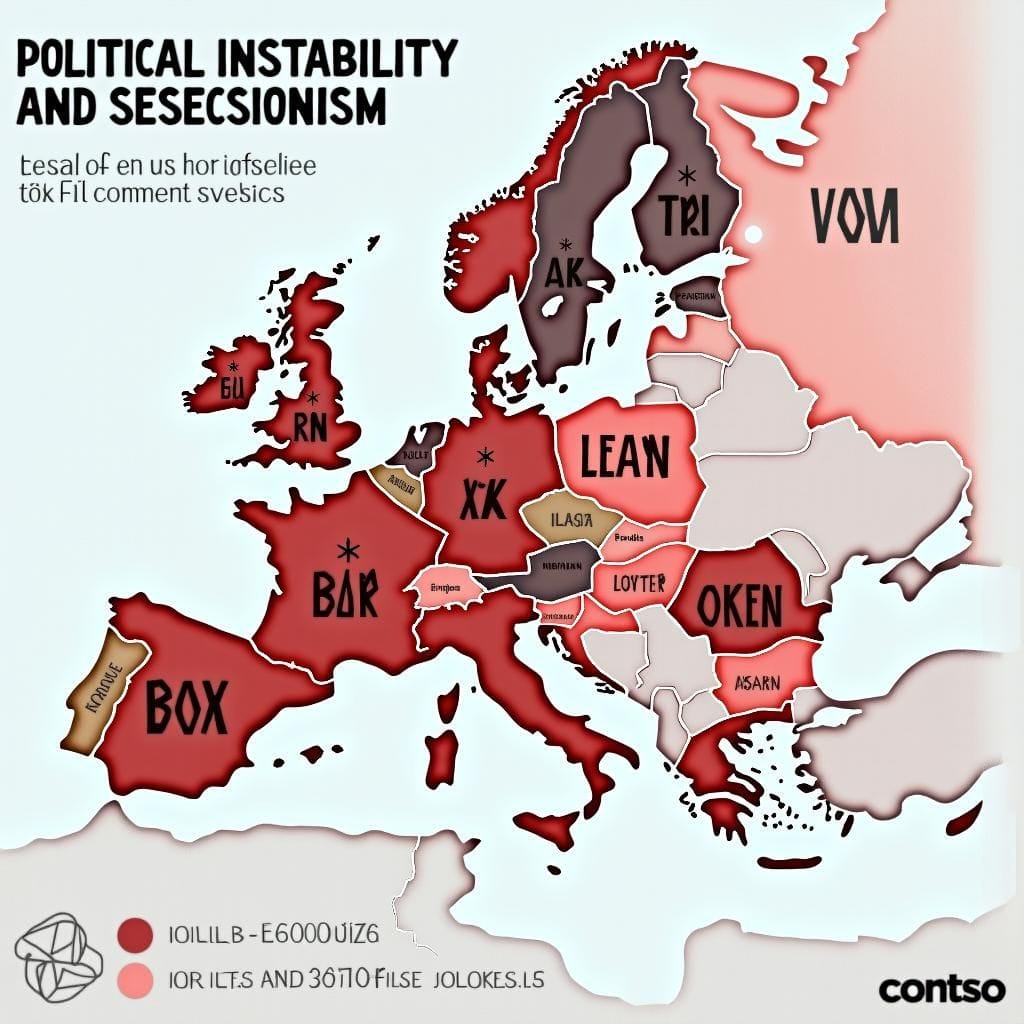
The Western Balkans region encounters a series of interconnected crises that jeopardize both its institutional structures and political stability. In the past few months, Bosnia and Herzegovina and Serbia have been shaken by deep, albeit differing, crises. In Sarajevo, the threat of Serbo-Bosnian secessionism has generated uncertainty, while in Serbia, the government faces massive student protests questioning its legitimacy. Additionally, Kosovo finds itself at a crossroads, with difficulties in forming a government and an urgent need to resume dialogue with Belgrade.
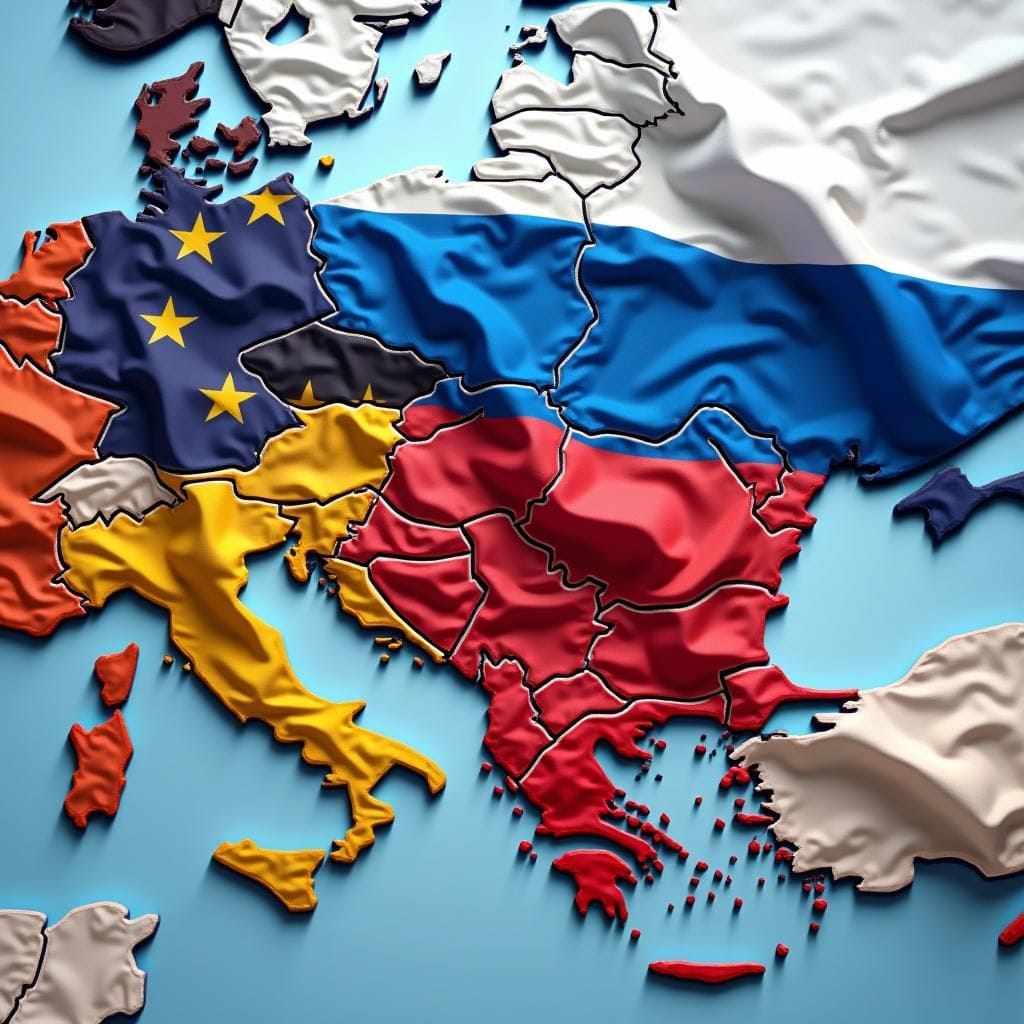
These crisis scenarios not only affect the region internally, but also have international repercussions, particularly for the European Union (EU). The EU has adopted a geopolitical approach towards the region, where the enlargement process plays a crucial role. The persistence of crises in the Western Balkans indirectly benefits Russia, which, without having a direct role in local escalations, positions itself as the main beneficiary of instability. Russia takes advantage of these situations to expand its influence and counteract European presence.
Moreover, the role of the United States in the region is another critical factor to consider. With the possible return of Donald Trump to the presidency, the United States could once again play a more active and significant role in regional politics. The Trump administration could adopt a more interventionist stance, which could alter the power balance in the region.
Thirty years after the Dayton Peace Accords, the Western Balkans region faces significant challenges. The EU’s diplomacy must strive to overcome Russian influence, which has been gaining ground in the region. The EU has been promoting European integration as a long-term solution for the stability and development of the Western Balkans, but internal instability and external interferences complicate this process.
The crisis in Bosnia and Herzegovina is particularly concerning. The Serbo-Bosnian secessionism threatens to further destabilize a country already plagued by ethnic conflicts and divisive politics. The international community must intervene to support democratic institutions and promote dialogue between different ethnic communities. On the other hand, the situation in Serbia reflects the frustrations of the youth, who demand significant political and economic changes. The Serbian government must address these demands to avoid further polarization and violence.
Kosovo also faces an uncertain future. The inability to form a functional government and the need to resume dialogue with Belgrade are significant obstacles to regional stability. The dialogue between Pristina and Belgrade is crucial for advancing towards a lasting solution and reducing tensions. The EU and other international actors must support this process and provide the necessary resources for its success.
The instability in the Western Balkans not only affects the region, but also has broader implications for security and stability in Europe. The EU must continue its efforts to integrate the region and promote cooperation among Balkan countries. This includes the implementation of political and economic reforms, as well as support for democratic institutions and the rule of law.
Furthermore, the EU must be prepared to face possible external interferences, especially from Russia. European diplomacy must be proactive and strategic, using all available tools to counter Russian influence and promote stability in the region. This includes cooperation with other international actors, such as the United States, to coordinate efforts and ensure a common response to challenges in the Western Balkans.
In summary, the Western Balkans region faces a series of interconnected crises that threaten its stability and security. The persistence of these crises benefits Russia, while the EU and the United States must work together to promote stability and European integration in the region. International diplomacy must be proactive and strategic, supporting democratic institutions and promoting dialogue between different ethnic and political communities. Only in this way can a stable and prosperous future be guaranteed for the Western Balkans.