
Twenty Years Later: Have We Learned from Katrinas Federal Levee Failures?
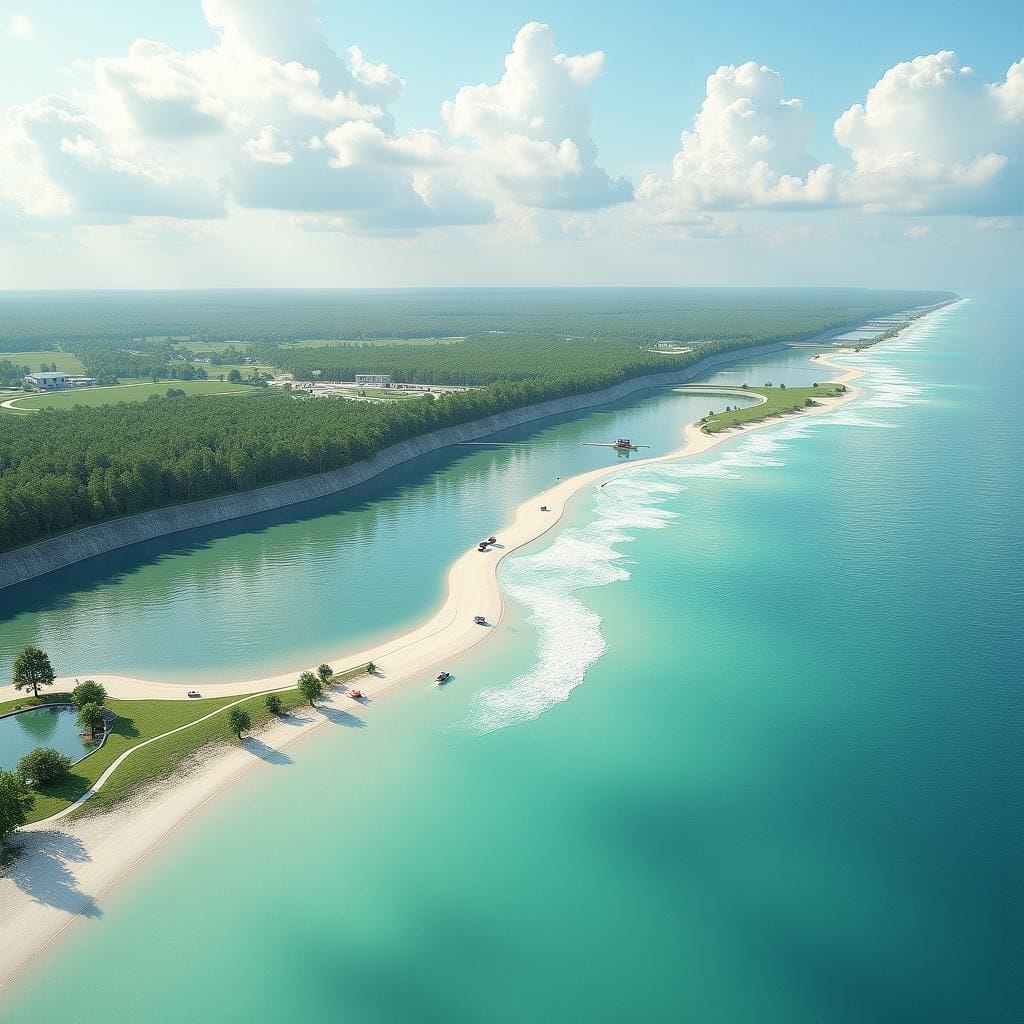
Twenty years after Katrina, New Orleans and Louisiana still face significant consequences. Progress has been made, but there is a need for greater public responsibility and effective planning to improve protection against storms, flood management, disaster preparedness, and coastal restoration.
Dazi: A difficult pill to swallow.
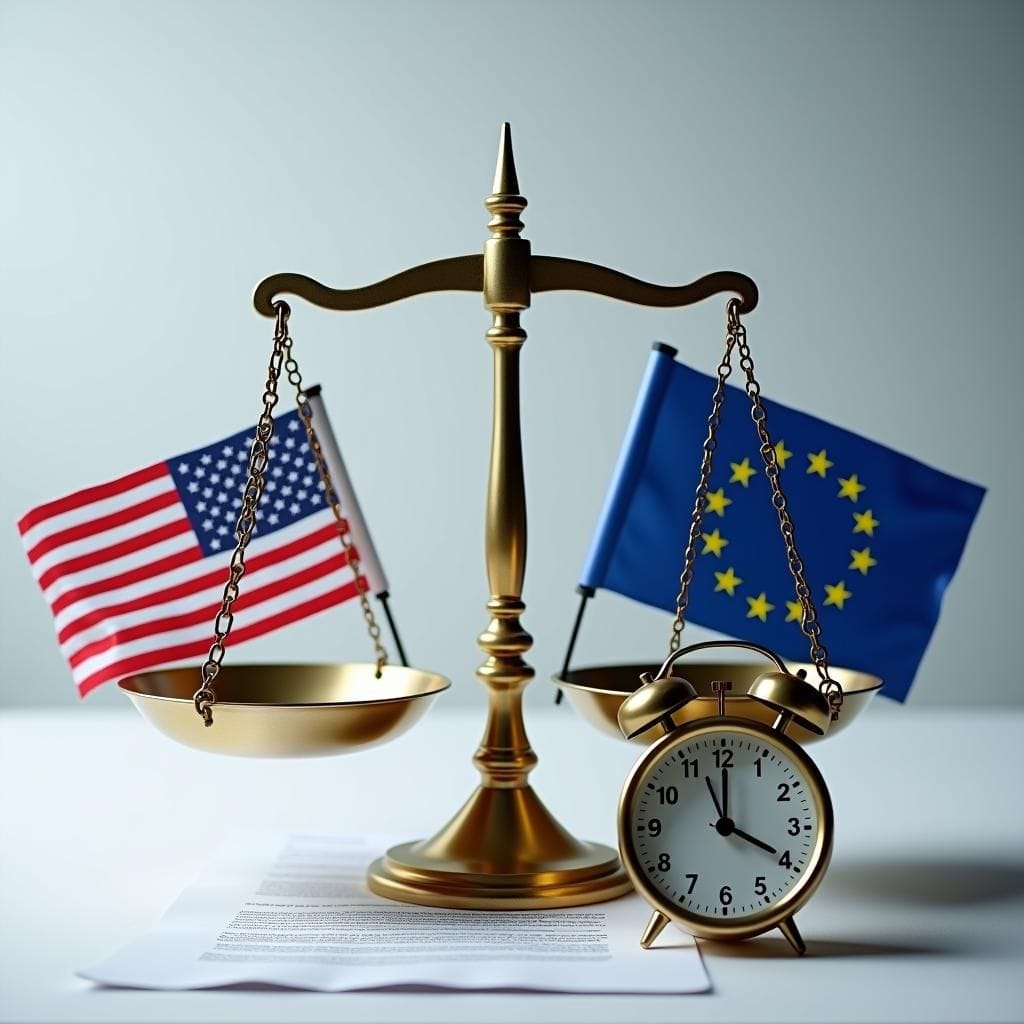
The EU accepts a 15% tariff to avoid worse consequences in exports to the U.S., giving a victory to Trump. This interim agreement with the U.S., avoiding higher tariffs, is seen in Europe as a capitulation given the lack of determination. Reactions are varied, reflecting national positions.
The Threat of Ghost Fleets in Spain
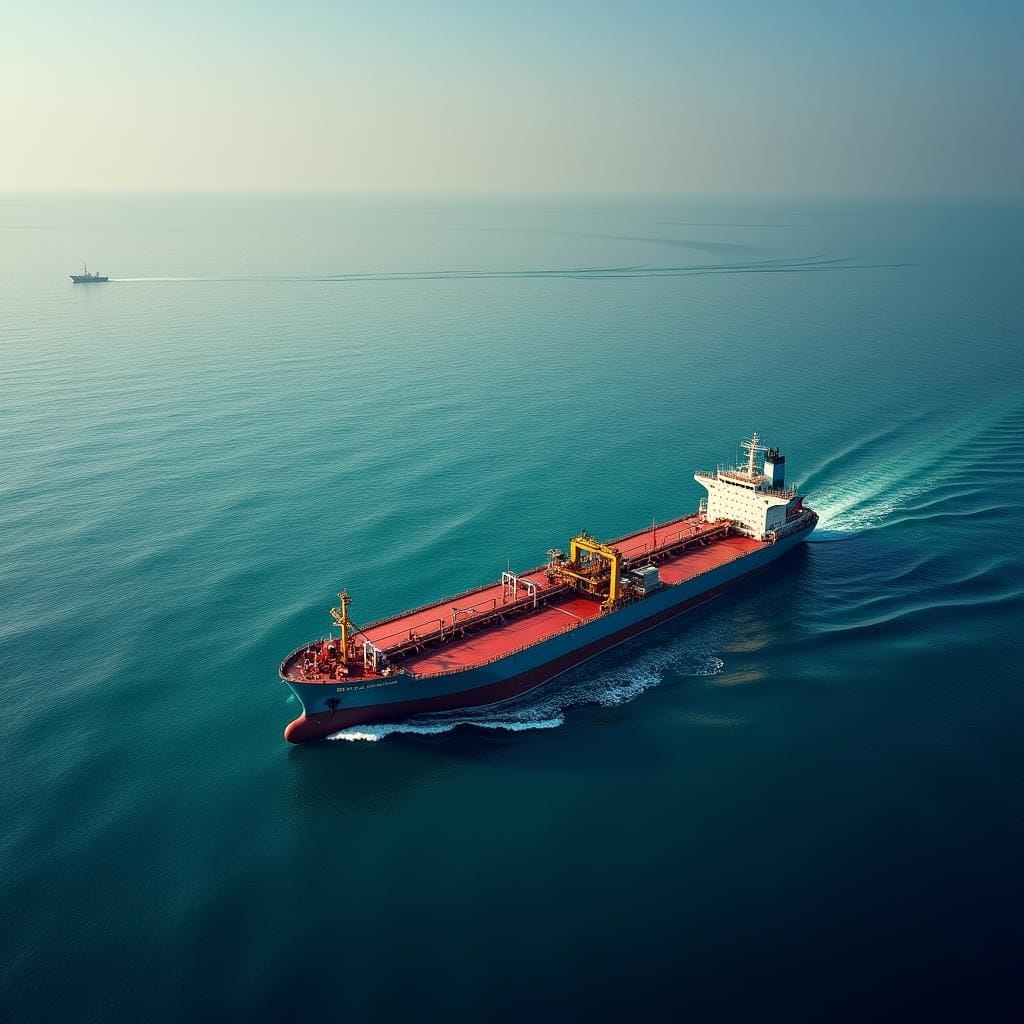
The Russian ghost fleet, controlled by Russia, exports hydrocarbons avoiding sanctions, with a precedent in the Prestige disaster in 2002. These ships facilitate exports even in environmental disasters and can drive international regulatory changes.
Improving New Orleans with Water Infrastructure Investments and Workforce Training” Translation: “Improving New Orleans through Water Infrastructure Investments and Workforce Training

New Orleans continues to struggle to improve its water infrastructure and workforce, 20 years after Katrina. It is crucial to invest in both areas to increase resilience and prosper in the face of climate impacts. More efforts and collaboration are needed to advance strategic plans and green infrastructure projects, as well as a continuous workforce and funding plan.
Loper Decision Revolutionizes Power Dynamics in Education” Translation: “Loper Decision Revolutionizes Power Relationships in Education
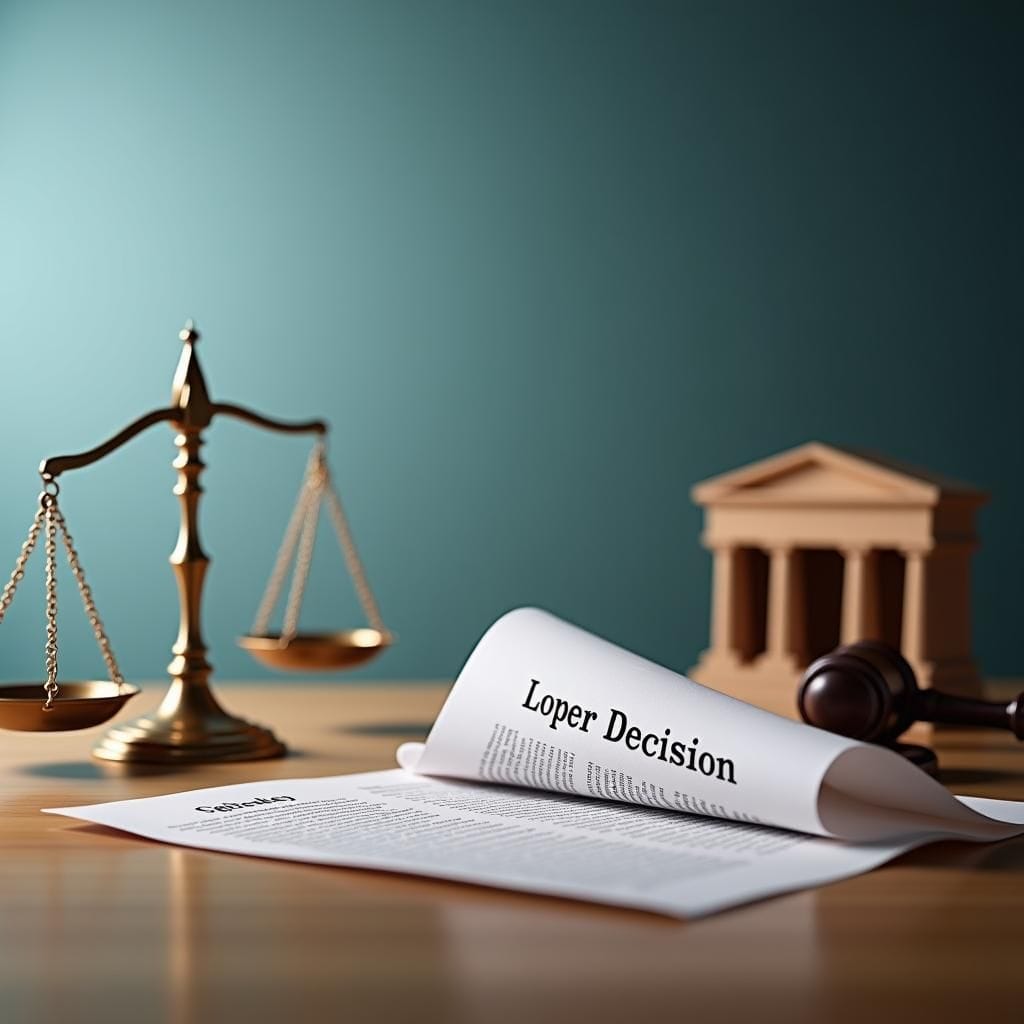
The Loper ruling strengthens courts in interpreting federal agency interpretations in education. The Trump administration implemented reforms in higher education and cut funds for K-12 schools, favoring privatization. The application of the Loper ruling in various cases has raised doubts about its real impact.