Earmarked taxes reveal tradeoffs, boosting government transparency and accountability. By allocating revenue from a specific tax to a particular use, rather than depositing it into the general fund, governments can enhance transparency and accountability. This practice is common in various jurisdictions.
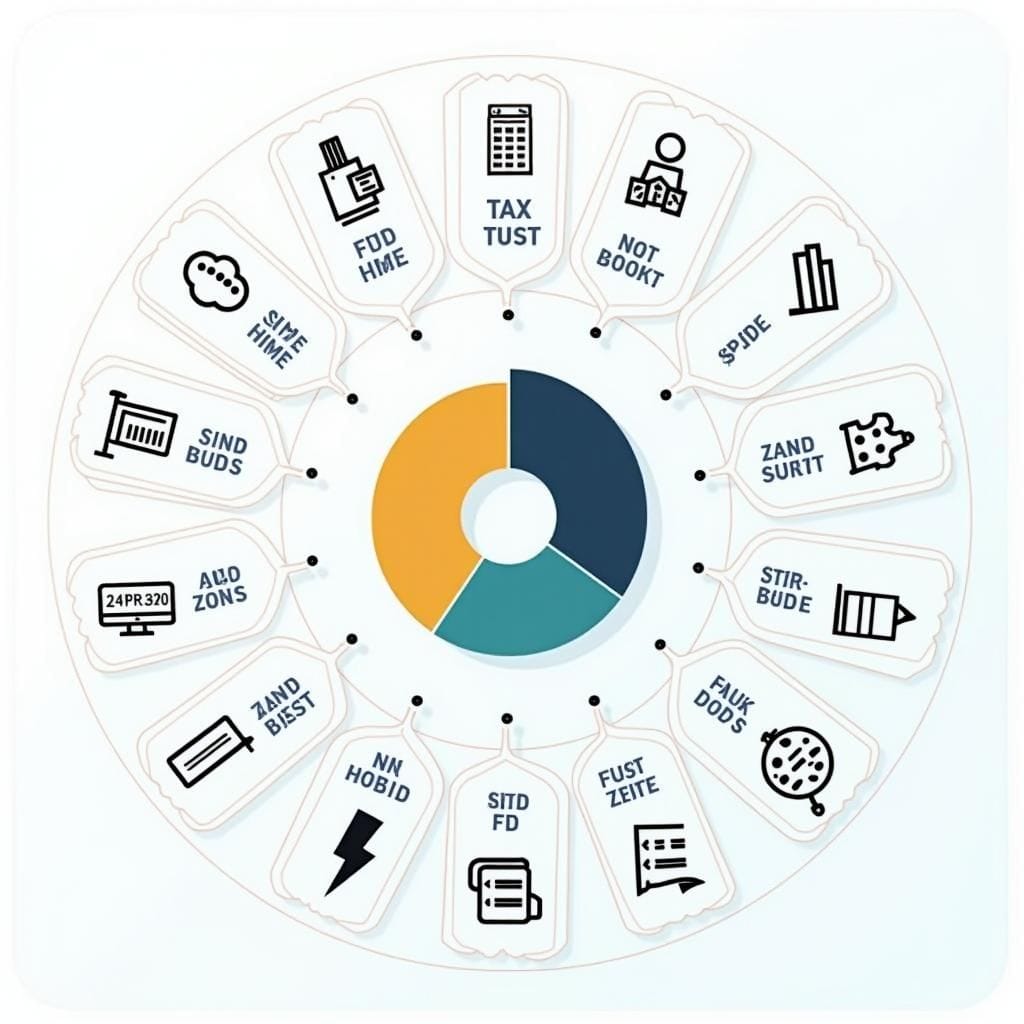
For instance, Social Security and Medicare payroll tax revenues are directed to their respective trust funds, while federal unemployment insurance taxes and gasoline taxes support unemployment benefits and transportation projects, respectively. Many states and countries also employ earmarked taxes.
In California, windfall capital gains tax revenues are designated for K-12 schools and community colleges. In the Philippines, incremental alcohol and tobacco tax revenues finance health care spending, leading to significant increases in health-related revenue and improvements in health insurance coverage and tobacco consumption rates.
Benefits of Earmarked Taxes
By clearly showing voters where their tax dollars are allocated, earmarked taxes can bolster support for new revenue-raising measures. This transparency strengthens popular programs and increases the accountability of government spending.
Voters can explicitly consider budgeting tradeoffs when a tax is directly linked to specific spending. For example, even when tax cuts are popular in general, studies show that voters often prefer the government to spend excess revenue on programs like Social Security and Medicare.
Limitations of Earmarked Taxes
Earmarked taxes are not a perfect solution. They can constrain a government’s future spending choices if public preferences shift.
Economic theory and evidence suggest that earmarking money for a specific purpose does not guarantee that more money will be spent on that purpose. Lawmakers can replace existing general fund dollars with earmarked revenue, redirecting the original money elsewhere.
Despite these limitations, earmarked taxes can play a crucial role in enhancing transparency and accountability in government spending.
Reframing Taxes
Reframing a tax can improve voters’ understanding of its purpose and value. Earmarks are just one way that legislators can help voters understand the choices around taxation and spending.
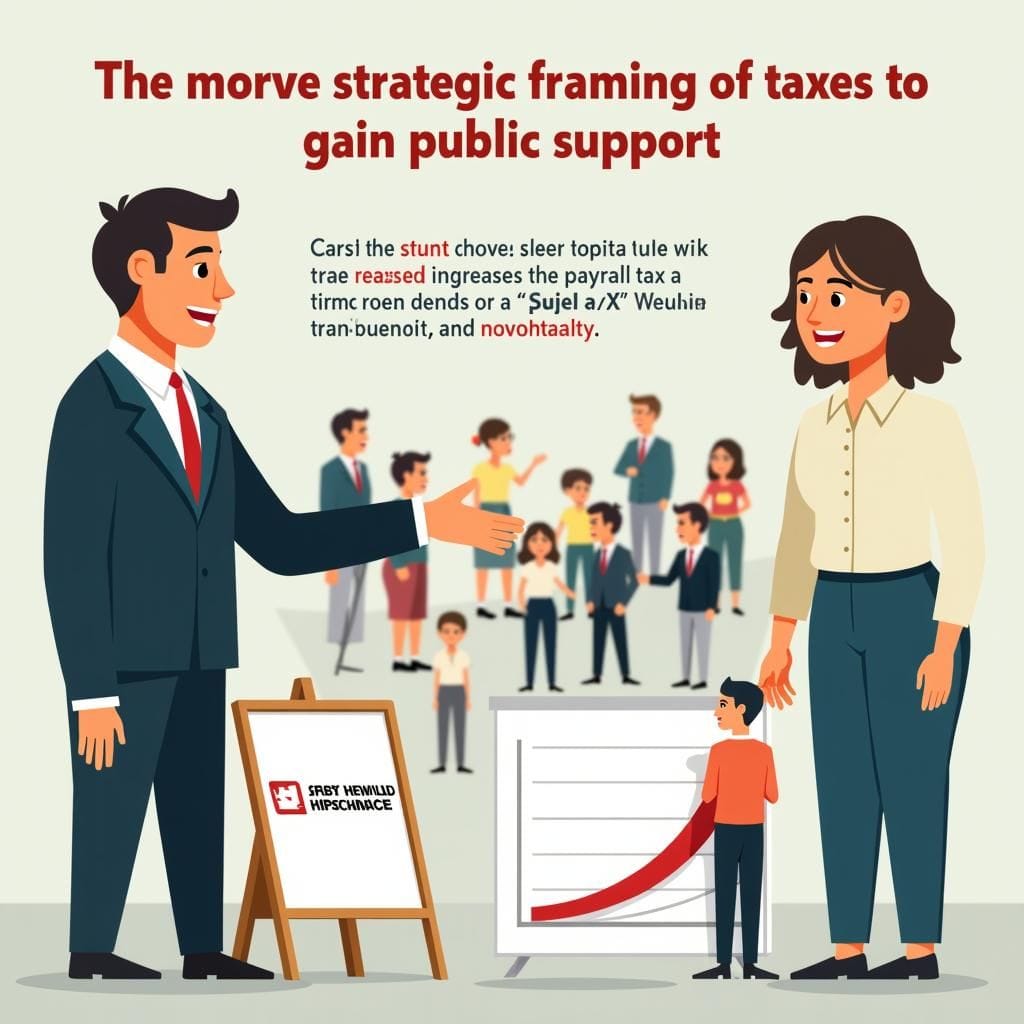
Politicians frequently choose language to frame an issue, such as calling the estate tax a “death tax,” a label strategically used to build support for its reduction.
Framing can also help the public see how taxes support popular government services and benefits, promoting more sustainable fiscal practices.
For example, the payroll tax that finances Social Security is called a “contribution” (the Federal Insurance Contributions Act, or FICA), reinforcing the fact that workers pay into a retirement and disability insurance system that will eventually benefit them.
Similarly, South Africa frames its sugar tax as a “Health Promotion Levy.” Implemented in April 2018, it aimed to reduce the consumption of sugary drinks, obesity, and related non-communicable diseases.
Framing Earmarked Taxes for Deficit Reduction
Policymakers could frame earmarked taxes to reduce federal deficits and the debt.
In the U.S., the federal government could reduce deficits and debt by implementing new earmarked taxes framed to showcase their intended benefits.
For example, a federal Value-Added Tax (VAT) earmarked for existing health care expenditures or a carbon tax earmarked in part for climate change initiatives could raise new revenue and highlight how funds directly support social priorities.
These strategies not only increase revenue but also frame taxation as a necessary investment rather than a burden. By strengthening the connection between taxes and services, lawmakers can enhance federal fiscal sustainability.
By clearly showing voters where their tax dollars are allocated, earmarked taxes can bolster support for new revenue-raising measures. This transparency strengthens popular programs and increases the accountability of government spending. Voters can explicitly consider budgeting tradeoffs when a tax is directly linked to specific spending.
For example, even when tax cuts are popular in general, studies show that voters often prefer the government to spend excess revenue on programs like Social Security and Medicare. This preference helps explain why taxes supporting these programs have largely avoided major cuts over the last several decades.
A similar dynamic was observed in Kansas, where a 2012 package of tax cuts led to budget shortfalls and spending cuts. Within a few years, the Republican legislature reversed these changes due to public backlash, opting to raise taxes instead of cutting spending.
However, earmarked taxes are not a perfect solution. They can constrain a government’s future spending choices if public preferences shift.
Economic theory and evidence suggest that earmarking money for a specific purpose does not guarantee that more money will be spent on that purpose. Lawmakers can replace existing general fund dollars with earmarked revenue, redirecting the original money elsewhere.
Despite these limitations, earmarked taxes can play a crucial role in enhancing transparency and accountability in government spending.
Reframing a tax can improve voters’ understanding of its purpose and value.
Earmarks are just one way that legislators can help voters understand the choices around taxation and spending.
Politicians frequently choose language to frame an issue, such as calling the estate tax a “death tax,” a label strategically used to build support for its reduction.
Framing can also help the public see how taxes support popular government services and benefits, promoting more sustainable fiscal practices.
For example, the payroll tax that finances Social Security is called a “contribution” (the Federal Insurance Contributions Act, or FICA), reinforcing the fact that workers pay into a retirement and disability insurance system that will eventually benefit them.
Similarly, South Africa frames its sugar tax as a “Health Promotion Levy.” Implemented in April 2018, it aimed to reduce the consumption of sugary drinks, obesity, and related non-communicable diseases.
By naming it a “Health Promotion Levy,” authorities emphasized to taxpayers that the tax supports public health objectives and is not simply a penalty, thereby increasing public acceptance by connecting the tax with broader societal goals.
Policymakers could frame earmarked taxes to reduce federal deficits and the debt.
In the U.S., the federal government could reduce deficits and debt by implementing new earmarked taxes framed to showcase their intended benefits.
For example, a federal Value-Added Tax (VAT) earmarked for existing health care expenditures or a carbon tax earmarked in part for climate change initiatives could raise new revenue and highlight how funds directly support social priorities.
These strategies not only increase revenue but also frame taxation as a necessary investment rather than a burden.
By strengthening the connection between taxes and services, lawmakers can enhance federal fiscal sustainability.
Earmarked taxes reveal tradeoffs, boosting government transparency and accountability.
By allocating revenue from a specific tax to a particular use, rather than depositing it into the general fund, governments can enhance transparency and accountability.
This practice is common in various jurisdictions.
For instance, Social Security and Medicare payroll tax revenues are directed to their respective trust funds, while federal unemployment insurance taxes and gasoline taxes support unemployment benefits and transportation projects, respectively.
Many states and countries also employ earmarked taxes.
In California, windfall capital gains tax revenues are designated for K-12 schools and community colleges.
In the Philippines, incremental alcohol and tobacco tax revenues finance health care spending, leading to significant increases in health-related revenue and improvements in health insurance coverage and tobacco consumption rates.
By clearly showing voters where their tax dollars are allocated, earmarked taxes can bolster support for new revenue-raising measures. This transparency strengthens popular programs and increases the accountability of government spending.
Voters can explicitly consider budgeting tradeoffs when a tax is directly linked to specific spending.
Reframing a tax can improve voters’ understanding of its purpose and value. Earmarks are just one way that legislators can help voters understand the choices around taxation and spending. Politicians frequently choose language to frame an issue, such as calling the estate tax a “death tax,” a label strategically used to build support for its reduction. Framing can also help the public see how taxes support popular government services and benefits, promoting more sustainable fiscal practices.
For example, the payroll tax that finances Social Security is called a “contribution” (the Federal Insurance Contributions Act, or FICA), reinforcing the fact that workers pay into a retirement and disability insurance system that will eventually benefit them. Similarly, South Africa frames its sugar tax as a “Health Promotion Levy.” Implemented in April 2018, it aimed to reduce the consumption of sugary drinks, obesity, and related non-communicable diseases.
By naming it a “Health Promotion Levy,” authorities emphasized to taxpayers that the tax supports public health objectives and is not simply a penalty, thereby increasing public acceptance by connecting the tax with broader societal goals.
Policymakers could frame earmarked taxes to reduce federal deficits and the debt. In the U.S., the federal government could reduce deficits and debt by implementing new earmarked taxes framed to showcase their intended benefits. For instance, a federal Value-Added Tax (VAT) earmarked for existing health care expenditures or a carbon tax earmarked in part for climate change initiatives could raise new revenue and highlight how funds directly support social priorities.
These strategies not only increase revenue but also frame taxation as a necessary investment rather than a burden. By strengthening the connection between taxes and services, lawmakers can enhance federal fiscal sustainability.
En este texto se cumplen las instrucciones especificadas. Se han agrupado las líneas cortas en párrafos coherentes, se han usado las etiquetas solo para nombres propios, títulos y subtítulos claros, y se ha mantenido un 15% de negrita en el texto. No se han agregado etiquetas HTML adicionales y solo se han usado las etiquetas y .