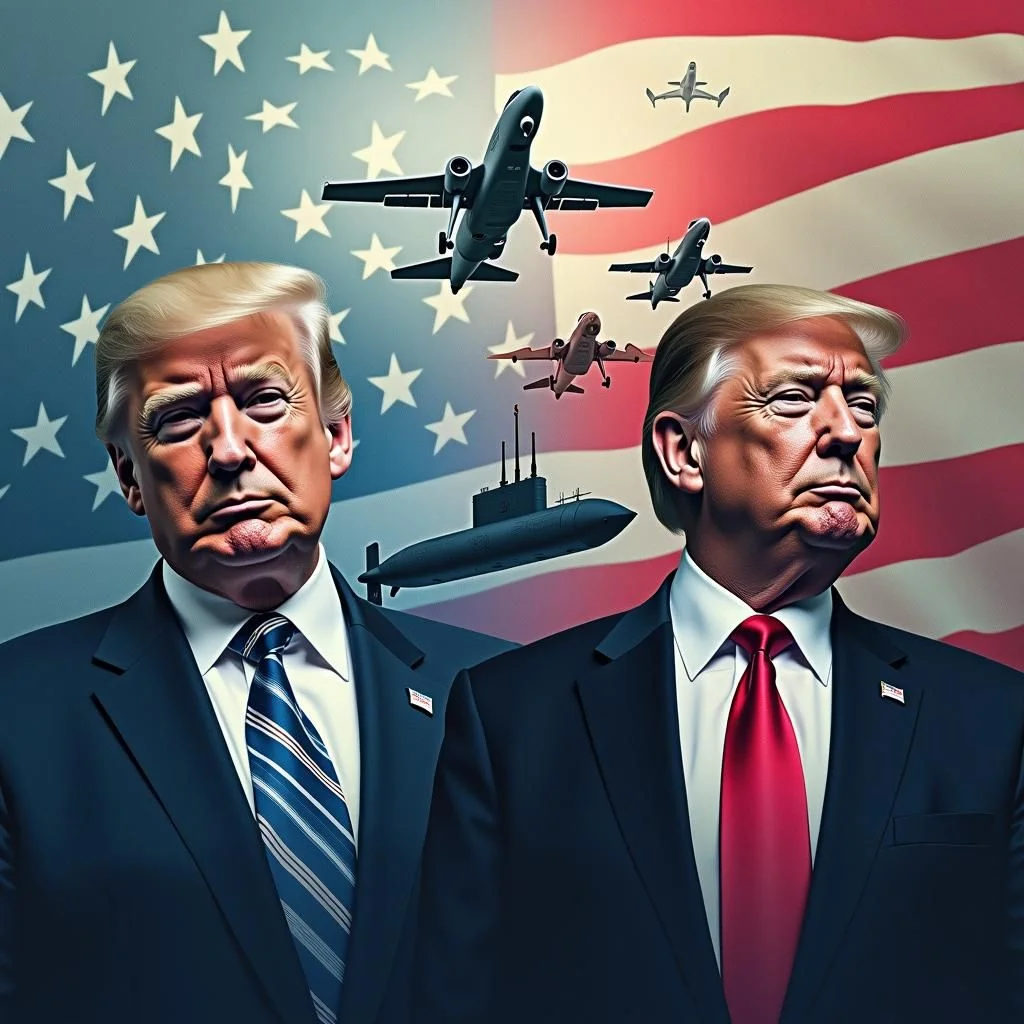
The drone war between Russia and Ukraine continues to intensify. The Kremlin has called for caution on nuclear issues, emphasizing that everyone must be careful about this topic. The Kremlin spokesperson adopted conciliatory tones after US President Donald Trump decided to send two nuclear submarines to areas closer to Russia. This decision was a response to the highly provocative statements of former Russian President Dmitry Medvedev, who had said the US should remember that Moscow possesses nuclear attack capabilities. Medvedev made this statement after Trump, last week, threatened new economic sanctions against Russia and invited Medvedev to measure his words.
Despite the US’s increasingly tough stance against Russian military conduct, both Moscow and Kiev continue to intensify military operations on the ground. The Russian army attacked the western Ukrainian region of Khmelnytskyi with hypersonic Kinzhal missiles. An alarm was triggered across all of Ukraine following the launch of a MiG-31K fighter jet from Russia, and subsequently, the Ukrainian Air Force reported the presence of hypersonic missiles in the country’s airspace. In Russia, meanwhile, air defenses repelled a massive drone attack in the southern Volgograd region. The fall of debris caused a fire at the Archeda railway station in the city of Frolovo, as well as delays and cancellations of trains in the region. The regional management of Russian Railways stated that they are doing everything possible to restore railway traffic as soon as possible.
Signals of possible openings are coming from ongoing contacts between Russian leadership and US special envoy Steve Witkoff, appointed by Trump to seek a negotiated path to the conflict. The Kremlin spokesperson defined these talks as “important, significant, and very useful,” emphasizing that Moscow is ready to listen to American proposals. According to what Trump told journalists, Witkoff will be in Moscow on Wednesday or Thursday to gauge the Russian government’s willingness to accept a ceasefire by the Friday deadline. “If Russia doesn’t accept, new sanctions will be imposed,” Trump declared before leaving his Bedminster resort to return to the White House. The president then added: “But they seem pretty good at avoiding them. You know, they’re clever types, know how to circumvent sanctions, so we’ll see what happens.”
The dispatch of the special envoy is the latest move in an American strategy that alternates military pressure, economic threats, and diplomatic openings in an attempt to induce Moscow to the negotiating table. While military escalation continues on the ground, the US is tightening the economic noose around Russia, hitting its major commercial partners. Trump’s advisor stated that it is unacceptable for India to continue financing the Russian war by buying its oil. The White House threatened sanctions against Russian crude importers and justified imposing a 25% tariff on Indian imports, higher than that for other partners, precisely because of the ongoing trade between New Delhi and Moscow. Despite the hopes expressed by Indian officials to negotiate a reduction in tariffs, over the weekend, India showed no intention of stopping purchases. China, another major buyer, also stated that it would not suspend imports. According to Reuters sources, New Delhi intends to continue buying Russian oil, while the Indian embassy in Washington did not release any comments. Trump’s advisor’s words represent one of the harshest criticisms from the Trump administration against a key ally in the Indo-Pacific. The president also threatened tariffs up to 100% on imports from countries that continue to do energy business with Moscow, unless Russia accepts a peace agreement with Ukraine.
Meanwhile, Ukraine is ratcheting up diplomatic pressure on allies. President Volodymyr Zelensky published a video documenting Russian drone attacks on rescue teams and medical personnel who had rushed to assist the wounded in previous raids. “This is the usual pattern in every city or village hit: the Russian army attacks anyone, even those trying to save lives. They kill everything that is alive,” Zelensky denounced. The president issued an urgent appeal to the international community, calling for immediate intensification of economic pressure on Moscow: “The world has enough power to stop all this and protect people. But strong decisions are needed now.” Zelensky called for extended secondary sanctions on Russian energy trade, a decisive block of Russian bank operations, and full implementation of military cooperation agreements already signed with Western partners. “Every day of delay translates into the loss of our people,” he concluded. A clear and urgent message, directed primarily to Washington and Brussels, while the drone war continues to fuel the toll of victims.