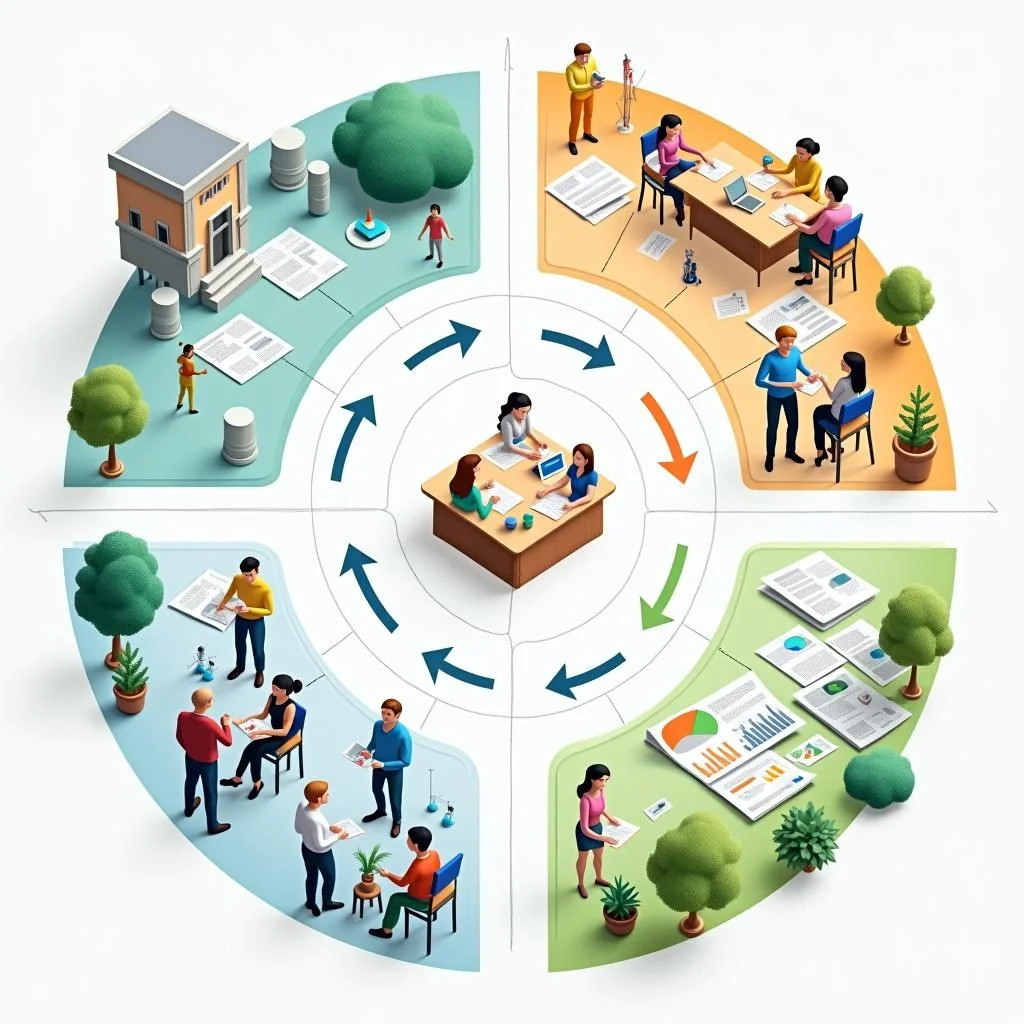
The Race, Prosperity, and Inclusion Initiative (RPII) at the Brookings Institution embarked on a multi-year project in collaboration with four community organizations to address a fundamental question: What constitutes well-being for Black boys and men? This initiative, known as the Wellness in Black Life (WIBL) project, aimed to engage directly with communities to understand how Black boys and men perceive well-being and how it can be enhanced for themselves, their families, and their communities. Historically, Black boys and men have been underrepresented in well-being research, often due to various barriers that prevent their regular participation in such studies. The WIBL project sought to address this gap by centering their voices and experiences, thereby reframing the conversation around well-being.
To gather comprehensive data, community convenings were organized in Little Rock, Arkansas; Baltimore, Maryland; and Montgomery County, Maryland. These locations were chosen for their documented racial inequities and for their strong community ties and local assets that could serve as foundations for well-being. Each community partner developed customized strategies for recruiting participants and facilitating meaningful discussions. The partner organizations included The Urban League of the State of Arkansas and Big Brothers Big Sisters of Central Arkansas in Little Rock, the Montgomery County Collaboration Council in Montgomery County, and the Johns Hopkins Center for Communication Programs in conjunction with the W. Haywood Burns Institute in Baltimore.
The WIBL project pursued three primary goals. First, it aimed to elevate the experiences of communities of color, highlighting their contributions to the vibrancy of their communities, states, regions, and the nation. Second, it ensured that the communities involved had shared ownership of the project throughout all phases, fostering efforts to support the well-being of Black boys and men even after the project’s conclusion. Third, it sought to inform public policy discussions and decision-making processes at local, state, and national levels regarding how to invest in the well-being of Black boys and men across the United States.
Through community conversations, the project identified five key dimensions of well-being. These dimensions will guide the development of a survey instrument designed to measure well-being in other U.S. communities. Throughout the WIBL Project, participants defined what well-being means and how these definitions can be utilized to strengthen programs, services, and policies. Their insights laid the groundwork for a community-based platform where Black boys and men can shape a blueprint for well-being.
Moving forward, sustainable partnerships among communities, activists, researchers, and policymakers are essential to implement these strategies. These partnerships will create co-learning and training opportunities that build on and expand the lessons learned from the WIBL project. It is crucial for policymakers to recognize their role in creating a policy environment that centers the voices and experiences of Black boys and men. This approach ensures that policies reflect their needs and support their well-being.
The WIBL project underscores the importance of community engagement and the need for policies that are informed by the lived experiences of Black boys and men. By focusing on the five dimensions of well-being identified through community conversations, the project provides a roadmap for future initiatives aimed at enhancing the well-being of these communities. The collaborative efforts between community organizations and researchers highlight the value of shared ownership and the potential for long-term impact.
The WIBL project’s approach to well-being is multifaceted, encompassing various aspects of life that contribute to overall well-being. The dimensions identified through community conversations provide a comprehensive framework for understanding and addressing the well-being of Black boys and men. These dimensions include physical health, mental health, social connections, economic stability, and community engagement. Each dimension plays a crucial role in the overall well-being of individuals and communities.
Physical health is a fundamental aspect of well-being, encompassing access to healthcare, nutrition, and physical activity. Ensuring that Black boys and men have access to quality healthcare services and resources that promote physical well-being is essential. This includes addressing health disparities and providing culturally competent care that meets the unique needs of these communities.
Mental health is another critical dimension of well-being, encompassing emotional well-being, stress management, and access to mental health services. Supporting the mental and emotional health of Black boys and men involves creating safe spaces for open dialogue, providing access to mental health resources, and addressing the stigma associated with seeking mental health support. Community-based mental health initiatives can play a significant role in promoting mental well-being and resilience.
Social connections are vital for well-being, as they provide a sense of belonging, support, and community. Building and maintaining strong social connections can enhance emotional well-being and provide a support system during challenging times. Community organizations and initiatives that foster social connections, such as mentorship programs and community events, can contribute to the overall well-being of Black boys and men.
Economic stability is a key factor in well-being, as it influences access to resources, opportunities, and quality of life. Ensuring economic stability for Black boys and men involves addressing issues such as employment, education, and financial literacy. Policies and programs that promote economic empowerment and reduce economic disparities can significantly enhance the well-being of these communities.
Community engagement is essential for well-being, as it allows individuals to contribute to their communities and feel a sense of purpose and belonging. Encouraging community engagement through volunteerism, civic participation, and leadership opportunities can foster a sense of pride and connection to the community. Community-based initiatives that promote engagement and involvement can enhance the well-being of Black boys and men and strengthen the fabric of their communities.
The WIBL project’s comprehensive approach to well-being highlights the interconnectedness of these dimensions and the need for holistic strategies that address multiple aspects of life. By focusing on these dimensions, the project provides a framework for developing programs, services, and policies that promote the well-being of Black boys and men. This approach recognizes the unique challenges and strengths of these communities and emphasizes the importance of community engagement and shared ownership.
The WIBL project’s findings and recommendations have implications for public policy, community development, and research. Policymakers can use the insights gained from the project to inform policy decisions that support the well-being of Black boys and men. Community organizations can leverage the project’s findings to develop targeted initiatives that address the specific needs and challenges of their communities. Researchers can build on the project’s methods and frameworks to conduct further studies on well-being and develop evidence-based interventions.
The WIBL project’s emphasis on community engagement and shared ownership underscores the importance of involving communities in the design, implementation, and evaluation of initiatives aimed at enhancing well-being. This approach ensures that programs and policies are culturally relevant, responsive to community needs, and sustainable over the long term. By fostering partnerships among communities, activists, researchers, and policymakers, the project creates a collaborative environment that supports continuous learning and improvement.
The WIBL project’s focus on the well-being of Black boys and men is timely and relevant, given the ongoing challenges and disparities faced by these communities. The project’s comprehensive approach to well-being, which encompasses physical health, mental health, social connections, economic stability, and community engagement, provides a roadmap for addressing these challenges and promoting positive outcomes. By centering the voices and experiences of Black boys and men, the project offers a unique perspective on well-being that challenges traditional approaches and highlights the importance of community engagement and shared ownership.
The WIBL project’s findings and recommendations have the potential to inform and inspire future initiatives aimed at enhancing the well-being of Black boys and men. By building on the project’s framework and lessons learned, communities, organizations, and policymakers can develop targeted and effective strategies that promote well-being and address the unique needs and challenges of these communities. The project’s emphasis on community engagement, shared ownership, and holistic approaches to well-being provides a valuable model for future initiatives and underscores the importance of involving communities in the design and implementation of well-being programs and policies.