The advent of generative artificial intelligence (genAI) has significantly expanded the potential scope of AI, but its future impact on productivity remains uncertain. Understanding the effect of technology on the innovation process is crucial. Some inventions, like the light bulb, initially boost productivity growth as they are adopted widely, but this effect diminishes once the market is saturated. While the overall output per hour increases permanently, the growth rate does not sustain.
In contrast, two types of technologies have demonstrated longer-lasting effects on productivity growth:
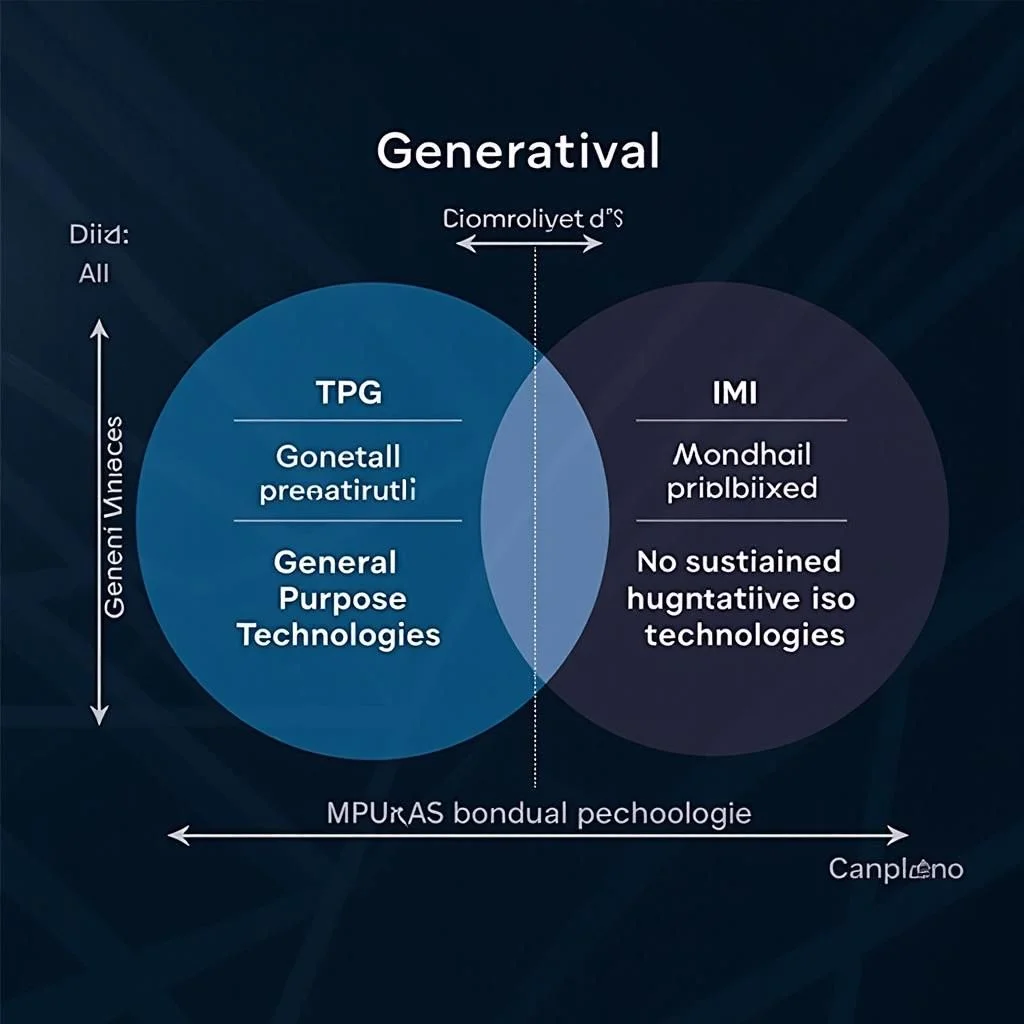
1. General-Purpose Technologies (GPTs): These technologies are widely adopted and spur numerous secondary innovations, including new goods and services, process efficiencies, and business reorganization. They also undergo continual improvement, refreshing the innovation cycle. Examples include the electric dynamo.
2. Inventions of Methods of Invention (IMIs): These technologies enhance the efficiency of the research and development process through improvements in observation, analysis, communication, or organization. The compound microscope is a notable example.
GenAI exhibits characteristics of both GPTs and IMIs, suggesting that it has the potential to elevate productivity levels. However, the actual contribution of genAI to productivity growth will depend on the speed at which these levels are achieved. Historically, integrating revolutionary technologies into the economy is a lengthy process.
The impact of technology on productivity can be understood through various lenses:
– Direct Productivity Effects: Technologies that directly enhance the efficiency of existing processes can lead to immediate productivity gains. However, these gains often plateau as the technology becomes ubiquitous.
– Indirect Productivity Effects: Technologies that facilitate further innovation and development can have more sustained impacts. These technologies create new opportunities for innovation, leading to a continuous cycle of improvement.
– General-Purpose Technologies (GPTs): GPTs are unique because they permeate multiple sectors of the economy, driving innovation across various industries. Their wide adoption and continual improvement make them a powerful force for sustained productivity growth.
– Inventions of Methods of Invention (IMIs): IMIs improve the process of invention itself, making it more efficient and effective. By enhancing observation, analysis, communication, and organization, IMIs accelerate the pace of technological progress.
GenAI’s potential as both a GPT and an IMI is promising. Its ability to generate new content, automate complex tasks, and enhance decision-making processes aligns with the characteristics of GPTs. Additionally, its capacity to improve the efficiency of research and development processes mirrors the impact of IMIs.
However, realizing genAI’s full potential requires overcoming several challenges:
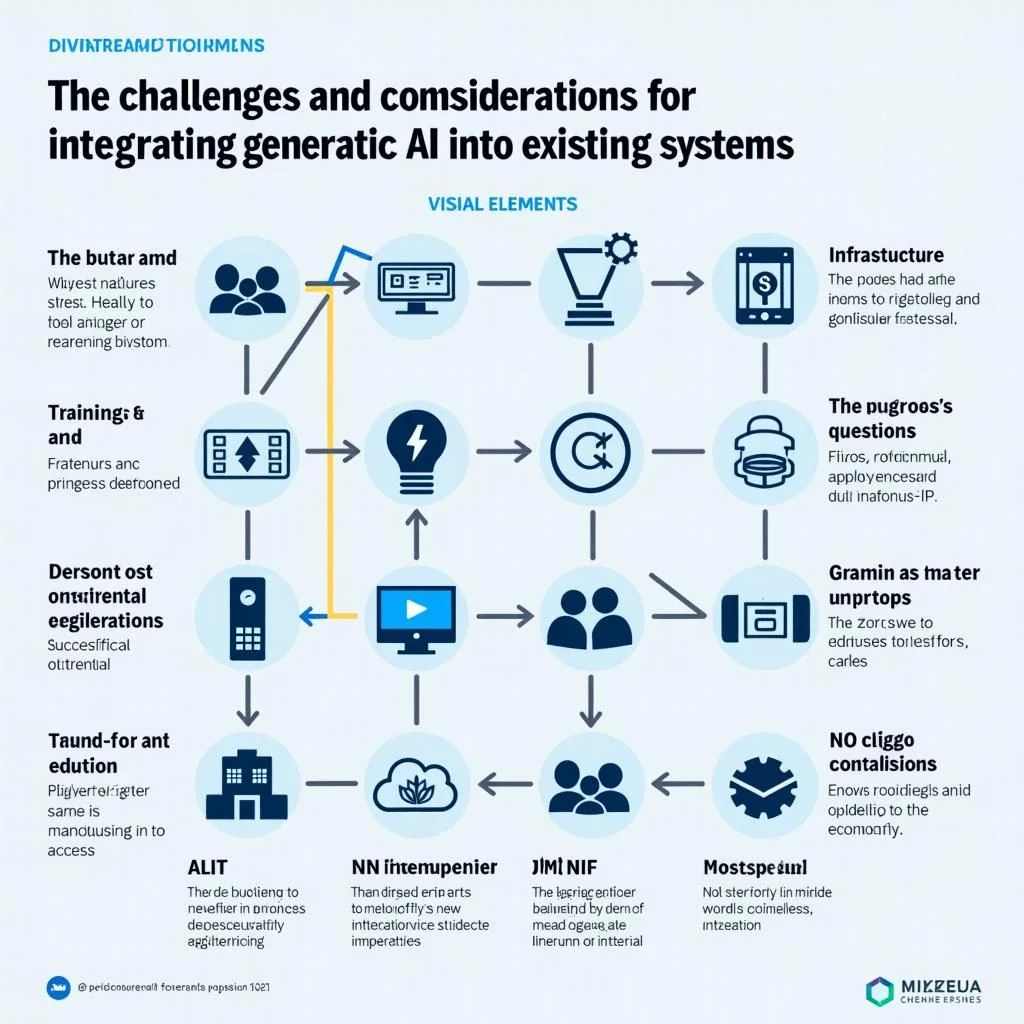
– Integration Challenges: Integrating genAI into existing systems and workflows can be complex and time-consuming. Organizations need to invest in infrastructure, training, and process redesign to fully leverage genAI’s capabilities.
– Regulatory and Ethical Considerations: The deployment of genAI raises important regulatory and ethical questions. Ensuring that genAI is used responsibly and ethically is crucial for its long-term success.
– Skill and Workforce Adaptation: The adoption of genAI will require significant changes in workforce skills and roles. Workers will need to adapt to new technologies and acquire new skills to remain competitive in the job market.
– Market Dynamics: The market dynamics surrounding genAI will play a critical role in determining its impact on productivity. Factors such as competition, market saturation, and consumer demand will influence the rate and extent of genAI adoption.
Despite these challenges, genAI’s potential to transform productivity is substantial. By understanding and addressing the key factors that influence its impact, it is possible to harness genAI’s capabilities to drive sustained economic growth.