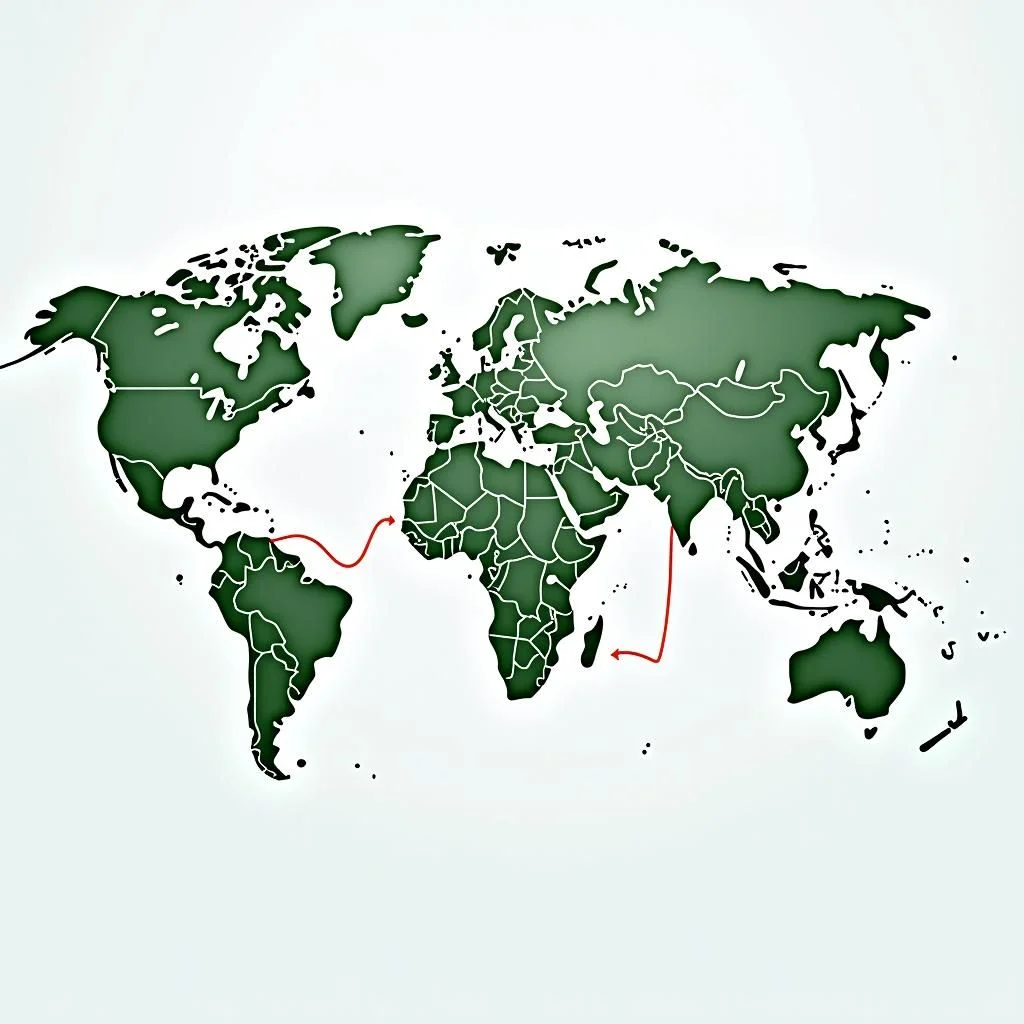
Rapid technological innovation, an accelerating climate crisis, and the transformation of geopolitical relations are subjecting global supply chains to profound change. These shifts necessitate a deep understanding of how supply chains are adapting to these pressures. To address this, an extensive research project has connected researchers from multiple institutions to develop new datasets on the role of knowledge and innovation, survey firms on their strategies to deal with trade uncertainty, model economic shocks, and conduct empirical studies on related questions. This collaborative effort has yielded three key insights.
First, firms adapt their supply chains to shocks in differentiated ways. Many reconfiguring their supplier networks in response to new circumstances. Those firms that were involved in innovative networks, which facilitate knowledge sharing, were most likely to adapt effectively. This adaptation often involves diversifying supply sources, enhancing digital capabilities, and implementing sustainable practices. Companies that leverage advanced technologies and data analytics are better equipped to navigate disruptions and maintain operational continuity. Furthermore, firms that foster a culture of continuous learning and innovation are more resilient, as they can quickly pivot their strategies in response to changing market conditions.
Second, knowledge and the trade in goods are deeply interconnected. While our understanding of goods flows in supply chains is well-developed, our comprehension of the global knowledge economy lags behind. Deepening the understanding of the links between production networks and innovation is crucial. Research shows that trade, production, and innovation are interconnected; policies promoting one area also affect the others. For instance, investments in research and development can spur technological advancements, which in turn enhance production efficiency and trade competitiveness. Conversely, trade policies that facilitate the flow of goods can also stimulate innovation by providing access to new markets and technologies. This interdependence underscores the need for holistic policies that consider the entire ecosystem of trade, production, and innovation.
Third, innovation drives resilience. Research demonstrates a clear link between innovation, job creation, and regional growth. Innovative firms are more likely to create high-skilled jobs and contribute to economic development. However, Europe faces challenges in bridging the gap between research and the commercialization of its products. Strengthening this link is essential for unlocking the economic benefits of research. This involves fostering an environment that supports entrepreneurship, investing in infrastructure that facilitates innovation, and creating policies that encourage collaboration between academia, industry, and government. By doing so, regions can enhance their competitive advantage and build more resilient supply chains.
Supply chains are evolving under pressure, and building resilience is still possible despite present challenges. Better understanding the link between knowledge, trade, and a prosperous economy will help identify policies that unlock the benefits of innovation. This understanding is crucial for developing strategies that enhance supply chain resilience, promote sustainable practices, and drive economic growth. Policies should focus on fostering a dynamic innovation ecosystem, supporting knowledge sharing, and encouraging collaboration across sectors. By doing so, supply chains can become more adaptable, efficient, and resilient in the face of future disruptions.