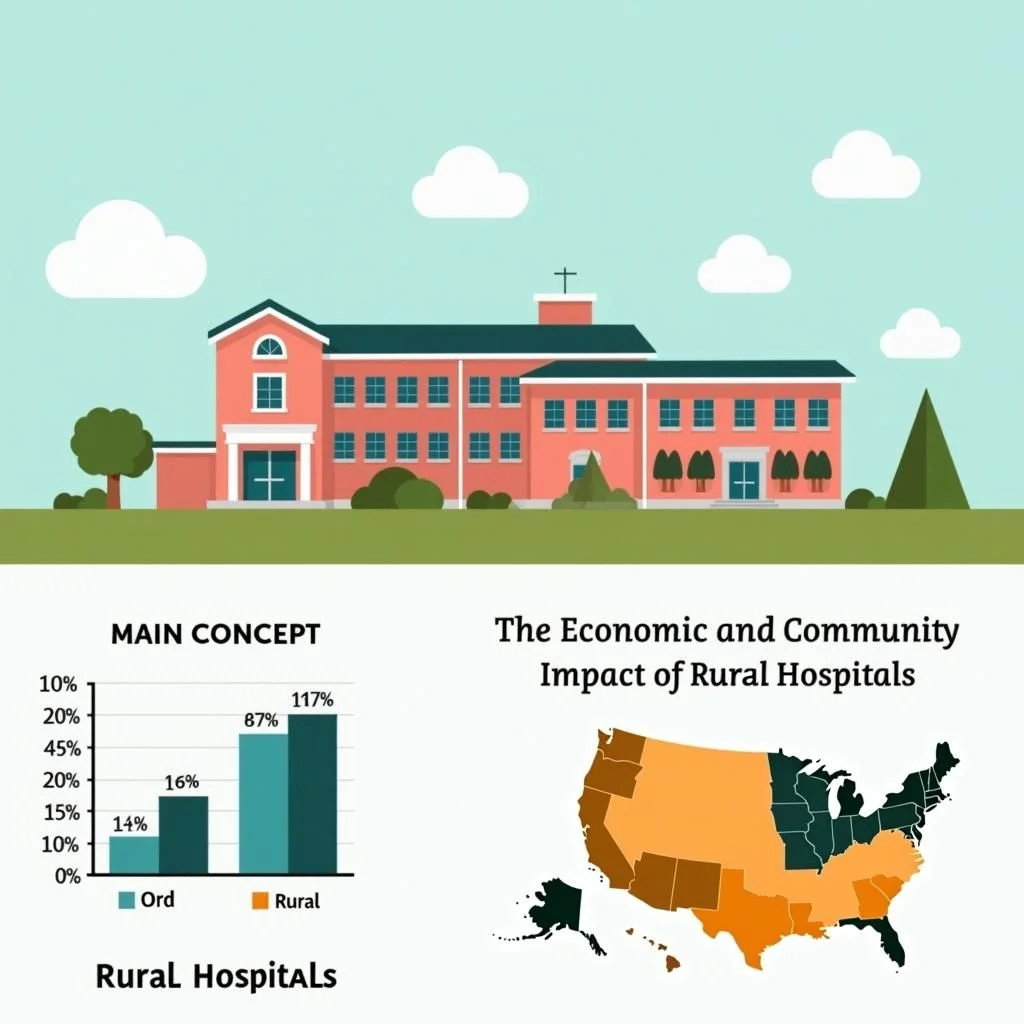
Rural hospitals play a pivotal role in the economic and community development of rural areas. They serve as essential pillars, meeting the healthcare needs of local populations and contributing significantly to the economic well-being of these communities. Studies have shown that the closure of rural hospitals can lead to adverse effects on local income, population size, and unemployment rates. Additionally, hospital closures can have spillover effects on employment sectors outside of healthcare, such as information technology, research, and construction. This underscores the multifaceted value of rural hospitals beyond their primary healthcare function.
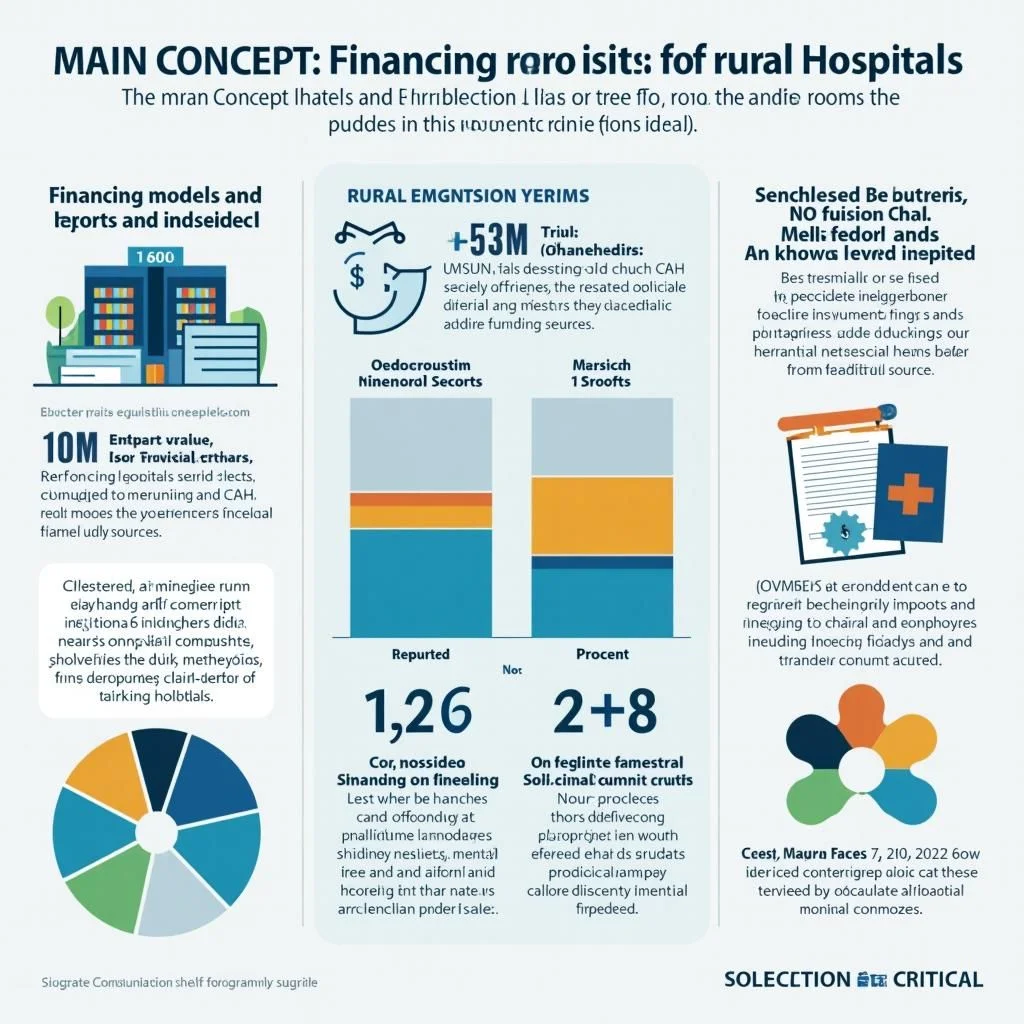
Financing rural hospitals is complex and involves several key elements. Rural hospitals can be broadly divided into two major financing models: Prospective Payment System (PPS) hospitals and Critical Access Hospitals (CAHs). CAHs, such as the Valley County Health System, receive financial benefits like cost-based reimbursement from traditional Medicare. To qualify as a CAH, a facility must participate in the federal Medicare program, be located in a state with a Medicare rural hospital flexibility program, and be a certain distance away from the next closest hospital. CAHs must also maintain 24-hour emergency care services and adhere to limits on the number of inpatient beds and the average length of stay. These regulations are designed to help maintain the financial performance of these hospitals.
Local financing tools, such as sales-tax levies or hospital bonds, are relatively rare as primary sources of capital for rural hospitals. While local financing can be effective, as seen in Ord, Nebraska, it is often supplemented by a diversity of funding sources, including grants, federal loan programs, and contributions from local donors. The Rural Health Information Hub provides a comprehensive summary of existing grant and loan programs, highlighting the collaborative efforts required to build or update hospital facilities.
Rural residents typically view their hospitals with a sense of civic pride, independence, and self-sufficiency. These hospitals are often seen as beacons of independence, particularly in frontier areas where the next closest hospital might be hours away. Strong civic engagement, including the use of available hospital services, direct fundraising, and advocacy efforts with local, state, and federal policymakers, is crucial for maintaining and improving local health infrastructure. Cooperative efforts between hospitals, healthcare facilities, the local population, and state and federal leaders are essential for identifying and meeting the unique needs of each rural community.
The evidence suggests that newer, modern hospital facilities can improve service delivery, patient perceptions, recruitment/retention, and financial performance in rural settings. Upgraded facilities can enhance patient perceptions of care if these facilities are tied to improved aspects of the hospital environment, such as quietness and cleanliness. Improved patient perceptions can increase patient recruitment, which in turn improves hospital financial performance, potentially leading to expanded service offerings. However, rural hospitals must strike a balance between offering a set of services that meets local community needs and attracts new patients, while also avoiding financial distress.
The Current State of Rural Hospitals
The current state of rural hospitals in the U.S. is characterized by a spectrum of financial vulnerability. While some rural hospitals are in strong financial positions, others are struggling. Local, state, and federal policies play a crucial role in assisting these hospitals to ensure they can offer essential healthcare services while remaining financially viable. In any given year, less than 5% of rural hospitals are in the highest relative risk category for financial distress. This highlights the importance of monitoring and supporting these facilities to prevent closures.
Common patterns and primary drivers of rural hospital closures include severe financial distress, often characterized by unprofitability and negative equity. Predictors of rural hospital financial distress include historical profitability, liquidity, costs, Critical Access Hospital status, Medicare outpatient payer mix, net patient revenue, system affiliation, and market poverty rate. These factors reflect both policy-related variables and inherent challenges of rural health, such as patient volume.
Current Federal Policy and Its Impact
Current federal policy, particularly the Rural Health Transformation Program (RHTP), is set to significantly impact rural hospitals over the next five years. The RHTP authorizes $50 billion in funding, with the first half distributed equally across approved states and the second half based on selected criteria, including rural population, proportion of rural health facilities, and the financial situation of certain hospitals. States have flexibility in how they use their allotted RHTP funds, which can include goals related to improving chronic disease management, providing payments to healthcare providers, promoting consumer-facing technology solutions, and supporting access to behavioral health services.
Changes to Medicaid, which covers a disproportionate number of rural residents, could have significant effects on rural hospitals and rural health infrastructure. Federal insurance programs like Medicaid and Medicare play important roles in the rural health infrastructure, and substantial changes to eligibility criteria could impact hospital operations. However, isolating the direct effect of public insurance eligibility changes on hospital outcomes requires additional data and careful analysis.
Regional networks, such as the Nebraska High Value Network, help rural providers stay independent, improve care, and relieve financial pressures. These networks support integrated care across facilities in the same region while allowing constituent hospitals to retain their independence. By forming a network, rural hospitals can cooperate to address community needs and achieve cost efficiencies through scale. Network participation can also provide a better seat at the table for value-based programs and greater ability to weather periods of financial distress.
Beneficios de las redes regionales
Las redes regionales pueden proporcionar una mejor posición en la mesa para los programas basados en valor y una mayor capacidad para superar períodos de estrés financiero. El volumen compartido de pacientes, datos clínicos y sistemas de gestión pueden mejorar la sostenibilidad a largo plazo de los hospitales rurales independientes más pequeños.