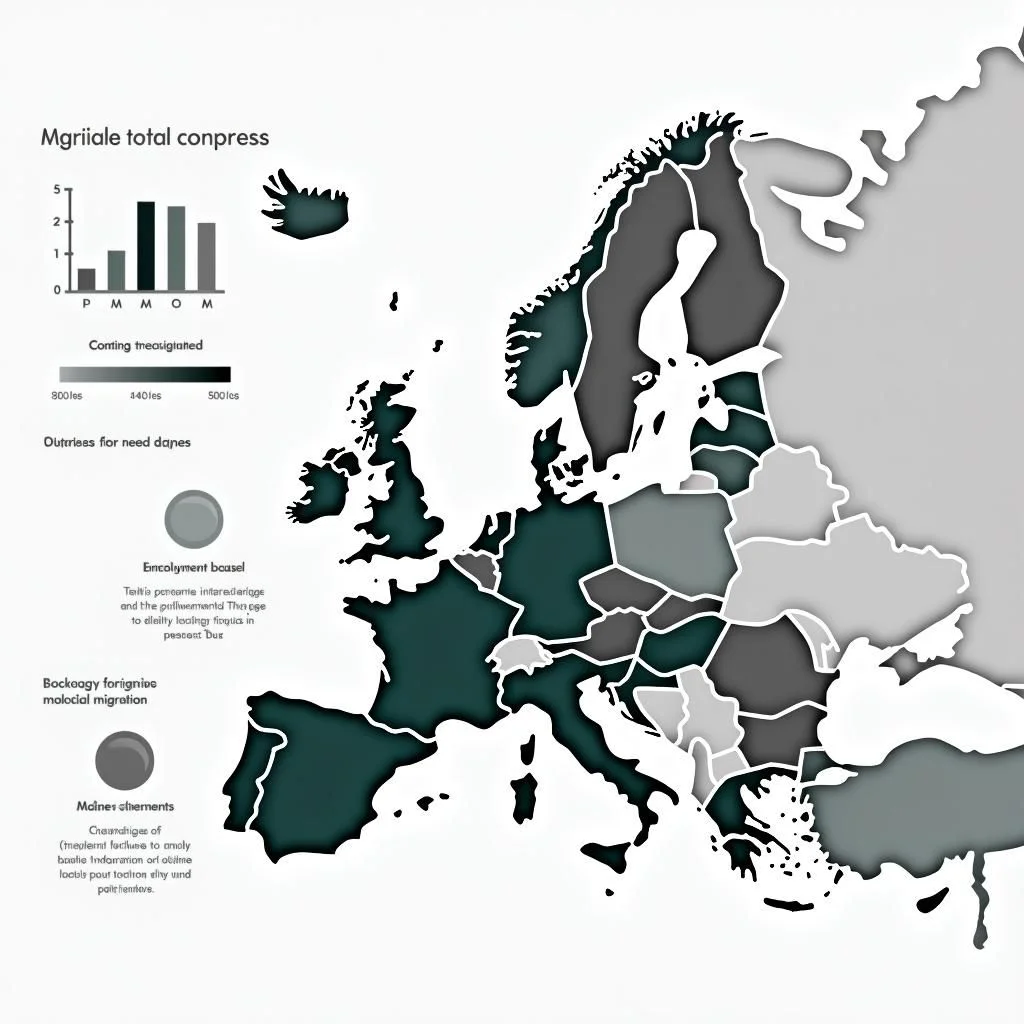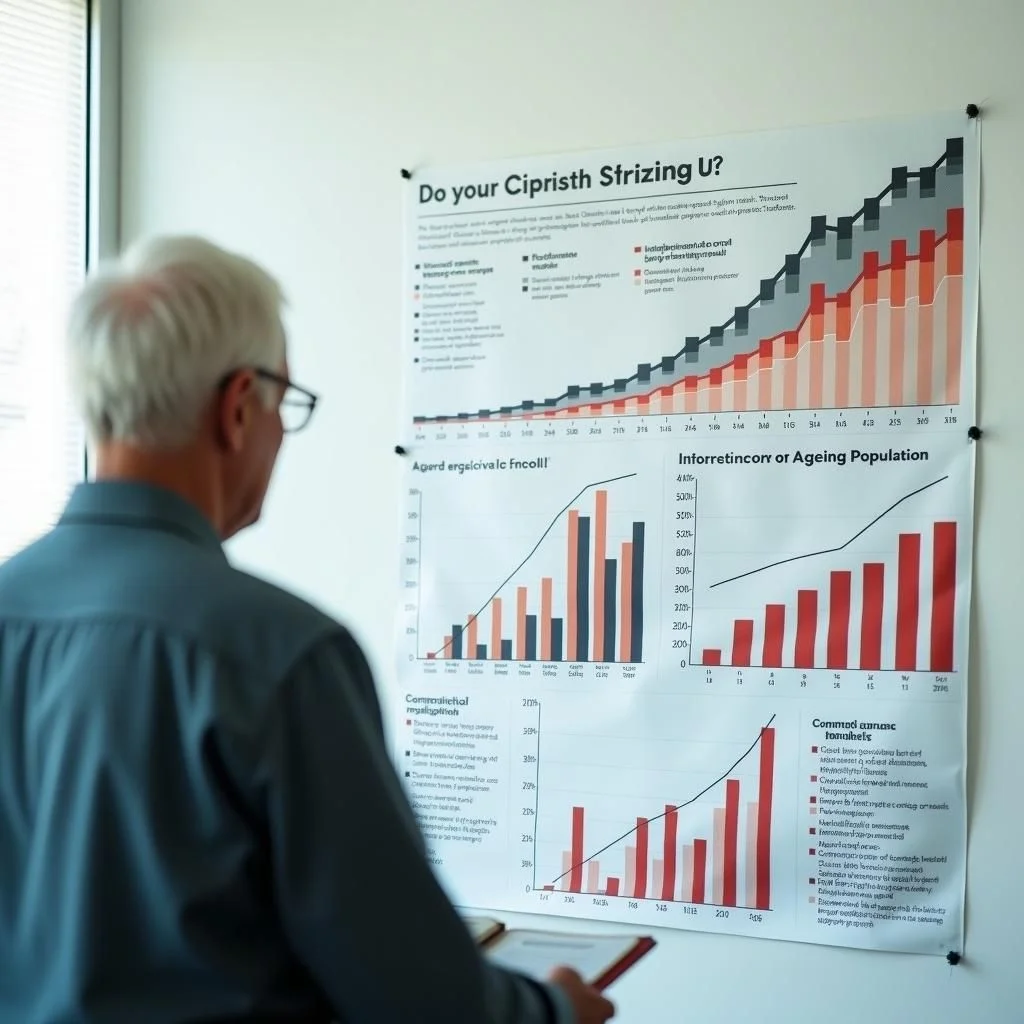
The European Union is confronting significant demographic challenges, primarily driven by rapid ageing, which is leading to increased fiscal strain, slower economic growth, and rising pension costs. The population of the EU is ageing swiftly, with a notable rise in dependency ratios and the proportion of elderly individuals across the continent. While the aggregate projected increases in age-related public spending are manageable at the EU level, there are considerable disparities between member states. The low likelihood of a sustained rebound in fertility rates means that high positive net-migration levels are essential to mitigate the economic impacts of ageing.
The EU’s potential growth rates are projected to decline due to shrinking labour forces and likely slowing total factor productivity. This decline exacerbates the fiscal challenges posed by an ageing population. Given the constraints of slowing growth and rising fiscal costs, it is crucial for EU countries to ensure that inward migration contributes positively to public finances. Evidence from several member states indicates that this requires increasing the share of employment-based migration in total migration flows. Conversely, it suggests reducing the shares of asylum and family-based migration.
Public Pension Costs and Demographic Shifts
Public pension costs are rising across EU member states, driven by varying replacement rates, expected years in retirement, and life expectancies at advanced ages. Retiring baby-boomer generations in the EU are expected to enjoy longer retirement periods than both their parents and children. However, diverging life expectancies across different income levels complicate efforts to raise average retirement ages in many EU countries. The degree of reliance on private pre-funded pension schemes varies significantly across the EU, impacting the financial market and sustainability implications of these schemes. Pension reforms must also address gender and coverage differentials to ensure equity among the covered populations.
Long-term Care Workforce and Migration Policies
The ageing population will exert additional pressure on the supply of long-term care workers. The scope for robotic substitution in this sector is limited, further highlighting the need for effective migration policies to address workforce shortages.
Comprehensive Approach to Migration Policies
The demographic shifts in the EU necessitate a comprehensive approach to migration policies. Ensuring that migration contributes positively to public finances is paramount. This involves increasing the proportion of employment-based migration while reducing other types of migration. The economic implications of an ageing population are multifaceted, affecting not only pension systems but also the broader economy. The varying reliance on private pension schemes across the EU adds complexity to the financial and sustainability considerations of pension reforms. Gender and coverage differentials must be addressed to ensure that pension reforms are equitable.
The economic challenges posed by an ageing population are significant. The EU’s potential growth rates are set to decline due to a shrinking labour force and slowing productivity. This decline, combined with rising fiscal costs, underscores the importance of effective migration policies. Ensuring that migration contributes positively to public finances is crucial. This requires a shift towards employment-based migration and a reduction in other types of migration. The economic impacts of ageing are not limited to pension systems but extend to the broader economy. The varying reliance on private pension schemes across the EU adds complexity to the financial and sustainability considerations of pension reforms. Gender and coverage differentials must be addressed to ensure that pension reforms are equitable.
The economic challenges posed by an ageing population are significant. The EU’s potential growth rates are set to decline due to a shrinking labour force and slowing productivity. This decline, combined with rising fiscal costs, underscores the importance of effective migration policies. Ensuring that migration contributes positively to public finances is crucial. This requires a shift towards employment-based migration and a reduction in other types of migration. The economic impacts of ageing are not limited to pension systems but extend to the broader economy. The varying reliance on private pension schemes across the EU adds complexity to the financial and sustainability considerations of pension reforms. Gender and coverage differentials must be addressed to ensure that pension reforms are equitable.
Demographic Shifts and Migration Policies
The demographic shifts in the EU necessitate a comprehensive approach to migration policies. Ensuring that migration contributes positively to public finances is paramount. This involves increasing the proportion of employment-based migration while reducing other types of migration. The economic implications of an ageing population are multifaceted, affecting not only pension systems but also the broader economy. The varying reliance on private pension schemes across the EU adds complexity to the financial and sustainability considerations of pension reforms. Gender and coverage differentials must be addressed to ensure that pension reforms are equitable.
Workforce Shortages and Long-term Care
The ageing population will exert additional pressure on the supply of long-term care workers. The scope for robotic substitution in this sector is limited, further highlighting the need for effective migration policies to address workforce shortages. The demographic shifts in the EU necessitate a comprehensive approach to migration policies. Ensuring that migration contributes positively to public finances is paramount. This involves increasing the proportion of employment-based migration while reducing other types of migration. The economic implications of an ageing population are multifaceted, affecting not only pension systems but also the broader economy. The varying reliance on private pension schemes across the EU adds complexity to the financial and sustainability considerations of pension reforms. Gender and coverage differentials must be addressed to ensure that pension reforms are equitable.