From October 13-18, the World Bank and International Monetary Fund hosted their 2025 Annual Meetings, bringing together prominent figures in development finance from around the world. These gatherings provide a platform for influential leaders to discuss and shape global policy, including central bankers, finance ministers, heads of global and regional institutions, corporate CEOs, entrepreneurs, and civil society leaders.
The discussions during these meetings highlighted several key priorities essential for driving sustainable and inclusive growth worldwide, particularly for Africa. These priorities include education, infrastructure, and sustainable debt management.
Infrastructure Investment
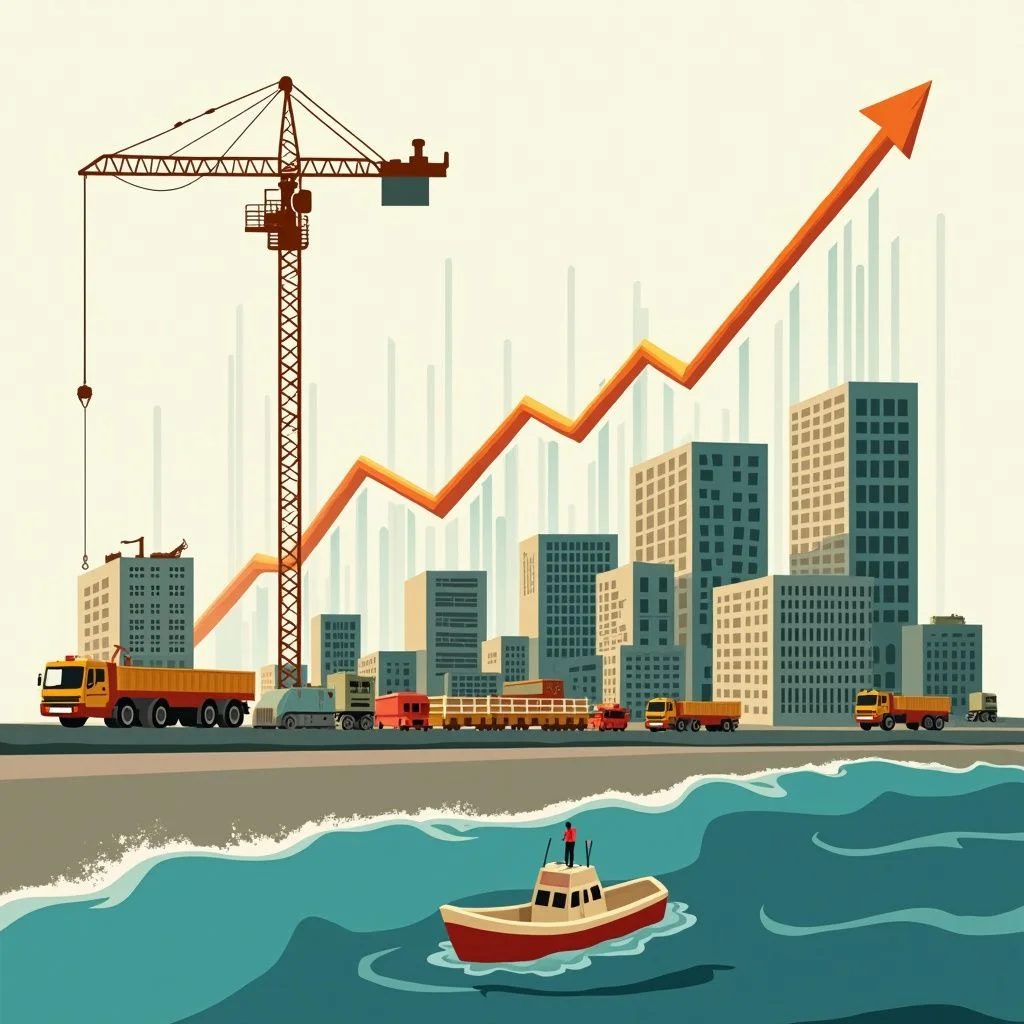
Investment in infrastructure is crucial for Africa’s economic growth. If African countries were to invest approximately the same percentage of their GDP in infrastructure as countries like China or Vietnam, they could more than double their GDP growth. Specifically, investing 5.6% of the annual GDP in productive infrastructure could add 4.5 percentage points to the annual GDP growth. By 2040, this targeted investment could more than double Africa’s GDP. This not only creates jobs and increases productivity within Africa but also presents significant opportunities for global investors to contribute to continued global growth.
Education
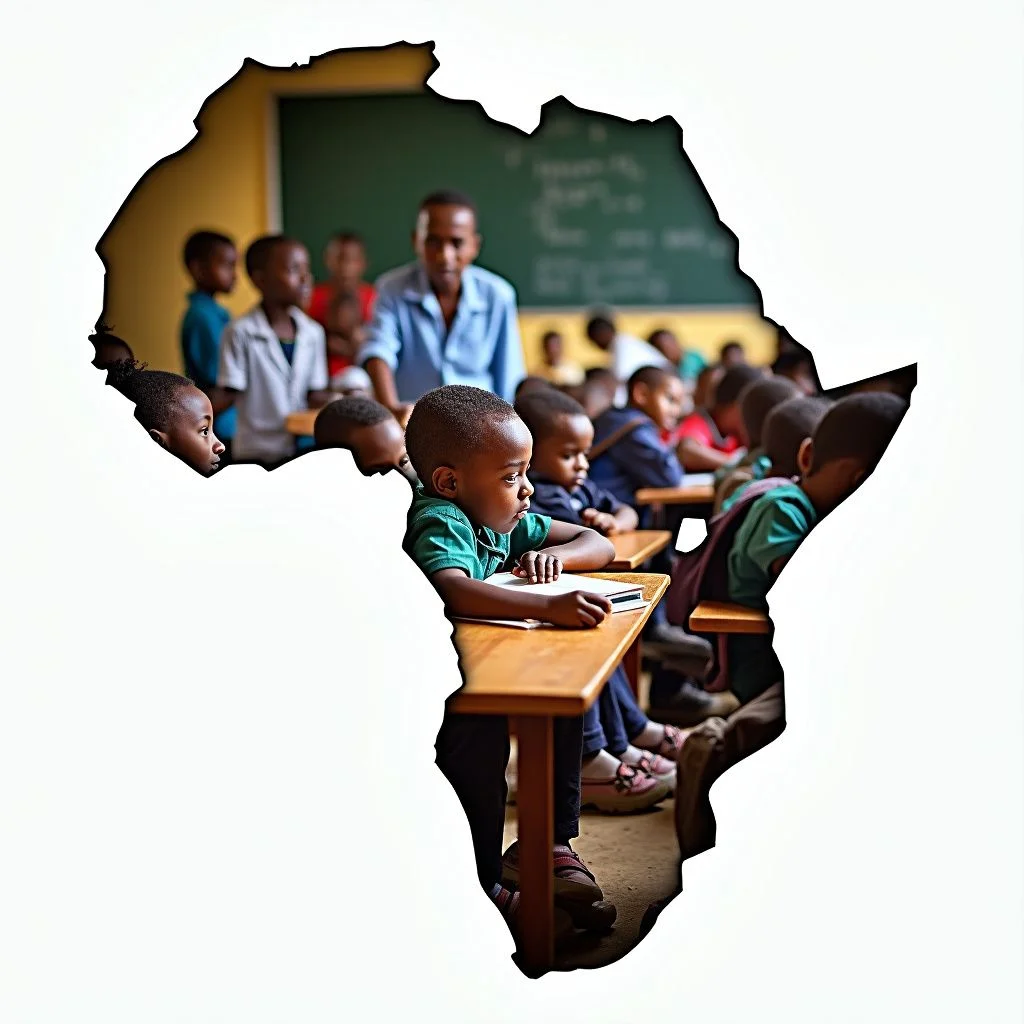
Education is another critical area for inclusive growth. While significant progress has been made in education across Africa, the quality of learning remains a concern. The gap in educational quality between different regions in Africa is substantial. Smart investments in education, such as training teachers and implementing targeted pedagogy, can yield high returns at both macro and microeconomic levels. This is particularly important for ensuring that the education system benefits all segments of society, including girls, who often face barriers to labor market insertion despite better academic performance.
Sustainable Debt Management
Sustainable debt management is the third priority. The tax-to-GDP ratio in Africa has improved but remains stagnant at around 16% of the continent’s GDP. The cost of financing debt is significantly higher than the financing that goes into infrastructure, making it a critical area for intervention. Reducing the cost of debt and servicing it is essential for economic stability and growth. This involves addressing the volatility and uncertainty in global markets and finding ways to lower the high cost of capital for African countries.
Crowding in Private Investment
To strengthen resilience and address pressing economic and social challenges, global leaders must focus on crowding in more private investment, particularly in infrastructure. Currently, private investment finances only 7% of total infrastructure finance in Africa, despite the continent’s huge opportunities. The default rate on infrastructure projects in Africa is relatively low at 2%, compared to over 10% in Latin America, and the returns on investment can be as high as 20%. However, the high risk perception and lack of sufficient tools to promote private investment hinder progress. Blended finance, which combines public and private funds, can be a effective tool to attract and crowd in private investments. This requires developing secondary markets, capital markets, and harmonized legislative frameworks to make investments more secure and attractive for institutional players like pension funds.
Geopolitical and Economic Landscape
International financial institutions and situations are adapting their mandates and instruments to an evolving geopolitical, trade, and economic landscape. This adaptation is crucial for leading transformative change. Blended finance, data transparency, and stakeholder engagement are key components of this adaptation. The African virtual investment platform, launched by the OECD and the African Union Commission, aims to provide data, information, and insights on the investment landscape for African countries. This platform helps to better understand the risks and opportunities, promoting transparency, accountability, and ownership, which are essential for crowding in more private investment.
Bold Actionable Ideas
Several bold actionable ideas emerged from the discussions that can shape global policy and practice. One of the most significant opportunities lies in infrastructure investment. Reducing the cost of capital for African countries is a painstaking but essential task. The cost of capital in Africa is 13%, compared to 8% in OECD countries. Lowering this cost can significantly boost Africa’s GDP growth. For example, targeted infrastructure investments could increase annual GDP growth by 4.5 percentage points, leading to a growth rate of over 7% per year and doubling GDP every 10 years.
Conclusion
The World Bank and International Monetary Fund’s Annual Meetings provided a platform for discussing and shaping global policy. The priorities of education, infrastructure, and sustainable debt management are crucial for Africa’s sustainable and inclusive growth. Crowding in private investment, adapting to the evolving geopolitical landscape, and implementing bold actionable ideas are essential steps towards achieving these goals. Collaboration with stakeholders and reducing the cost of capital are key to unlocking Africa’s economic potential and ensuring transformative change.