
Vulnerable routines in pediatric health: Lessons from asthma during COVID-19.
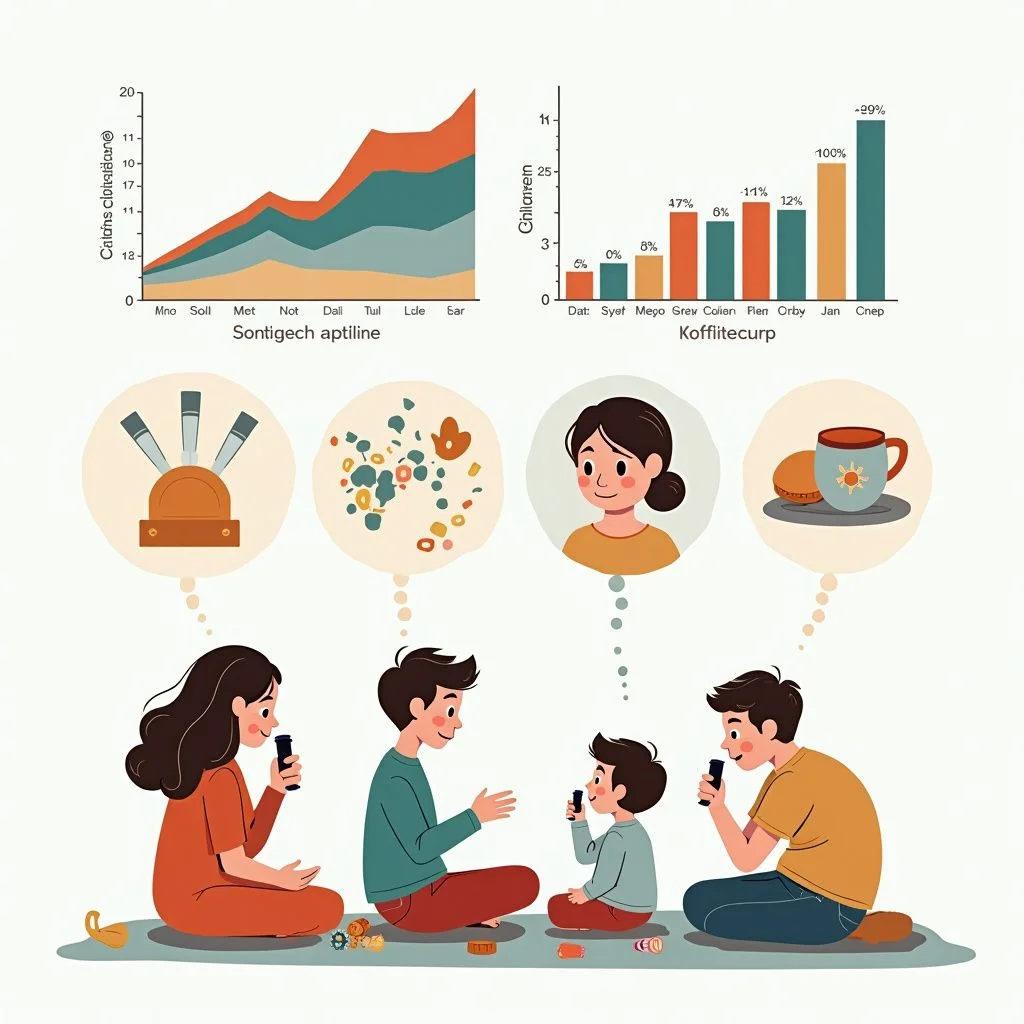
The study shows that during the pandemic, adherence to asthma medication in children decreased significantly, especially in the youngest, due to the disruption of family routines. This decline highlights the vulnerability in pediatric care and the importance of maintaining routines in the care of chronic conditions. It emphasizes the need to strengthen pediatric care systems to face large-scale interruptions.
Professional Obsolescence in Education: How De-professionalization in the Middle Tier Hinders School Reform in the Kyrgyz Republic.
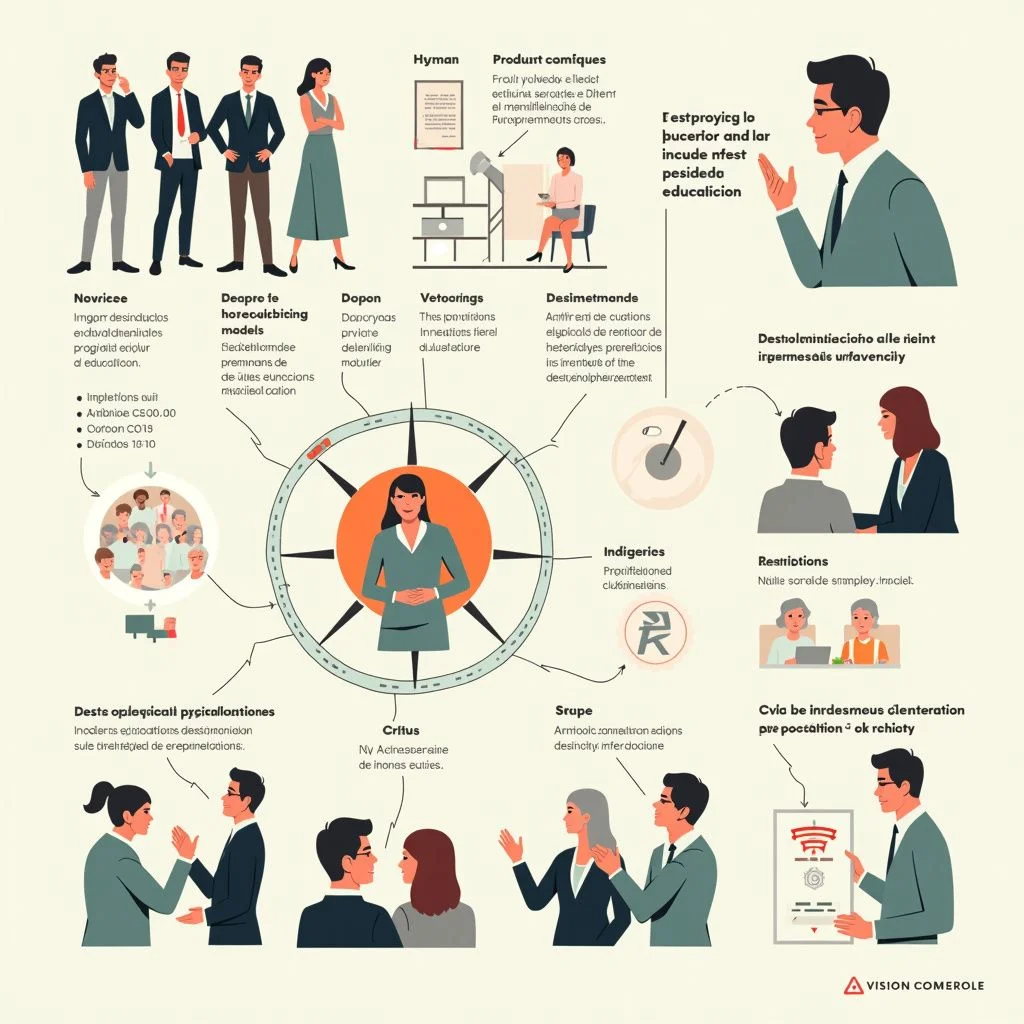
The educational system of the Kyrgyz Republic faces stagnation due to de-professionalization at the intermediate level and a regression towards centralized control. Intermediate governance in education is underestimated and lacks support. This generates a cycle of de-professionalization that threatens educational improvement. It is recommended to strengthen trust and balance responsibilities to drive successful reforms.
Republika Srpskas Secession Efforts Face Delays

The presidential elections in Republika Srpska mark a new chapter in Bosnian politics with the change of Milorad Dodik to Sinisa Karan, influencing relations with Washington and generating uncertainty in the region.
G20 in Africa: Without Trump’s Presence

The G20 meets in Johannesburg without Trump, who boycotts the event, as the South African presidency faces challenges. The central theme is solidarity, equality and sustainability. The absence of the US and other leaders weakens Pretoria’s ambition to promote Africa globally. Trump seeks to reduce the G20 platform and the lack of Xi, Putin and Trump will have a significant impact.
The Power of AI-Powered Benchmarks: Assessing LLM Performance with AI-Generated Exams

Self-construction benchmarks are essential to evaluate the capabilities of Large Language Models (LLM). We use agentive artificial intelligence to have LLM generate and evaluate practical exams in Finance, Business Operations, Management, Computing, and Mathematics. Although leading models achieve median scores of 65-79%, they show weaknesses in data manipulation and financial calculations. LLM-generated benchmarks can offer a cost-effective, scalable, and updatable way to measure the job capabilities of artificial intelligence.