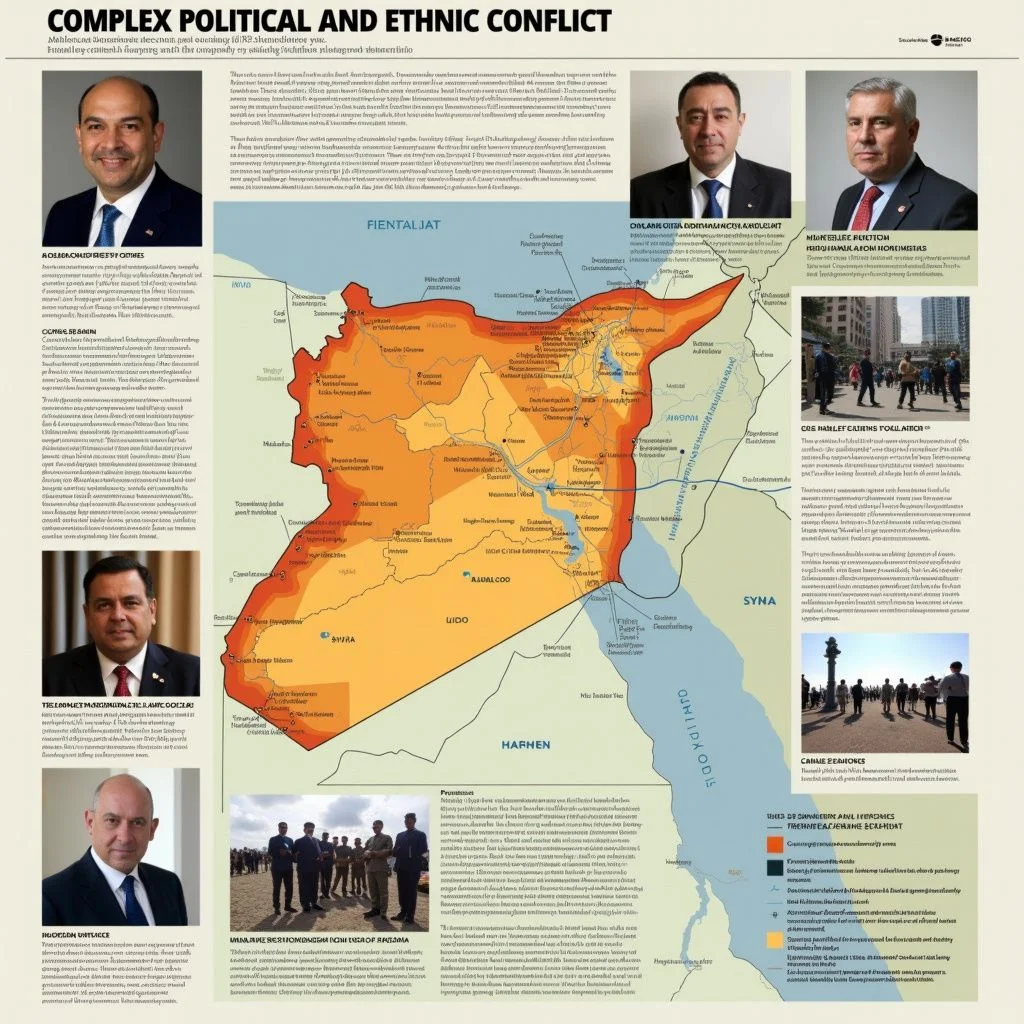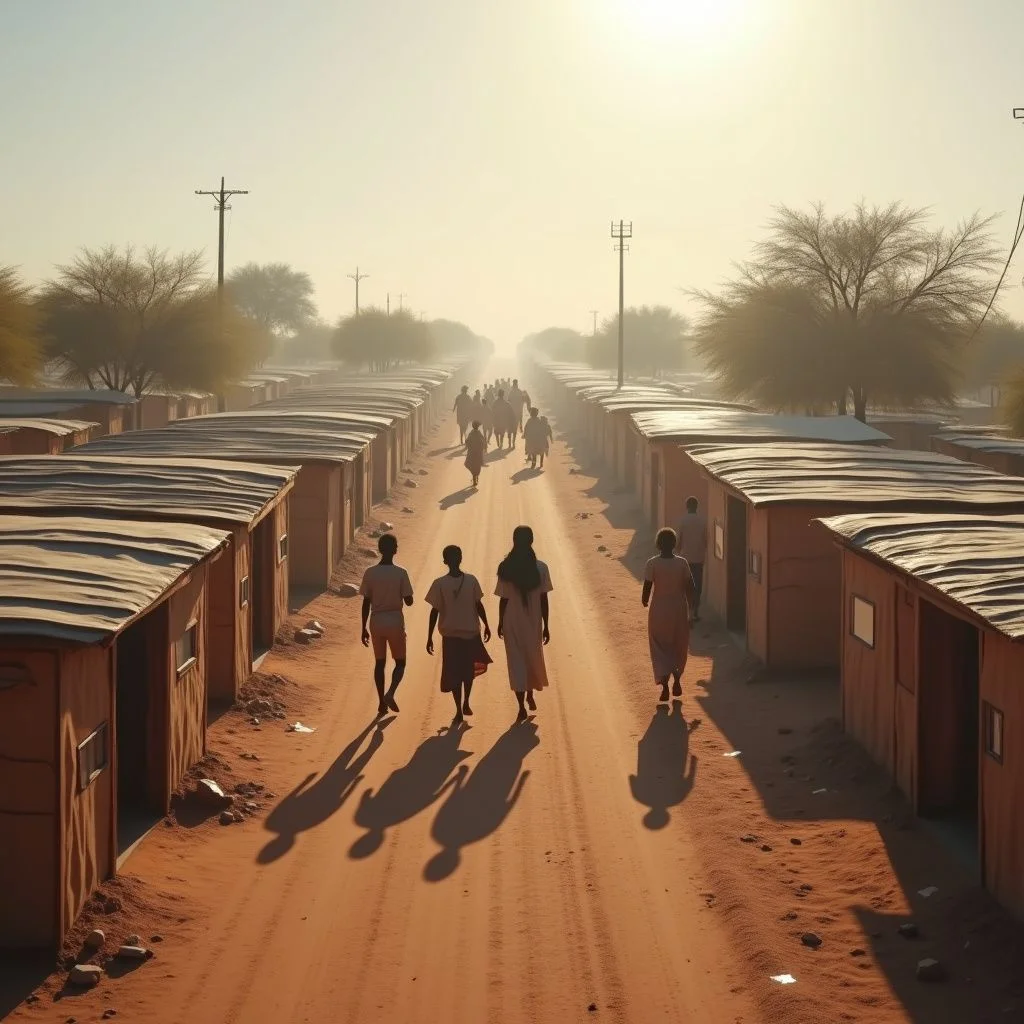
The conflict in Sudan is the world’s worst humanitarian crisis. Over 150,000 people have died, millions have fled their homes and are starving, and prospects for a ceasefire are bleak. The current crisis is rooted in a complex history of civil violence and ethnic tensions.
In 2019, large protests against the 30-year dictatorship of Omar al-Bashir led to his overthrow by a coalition of the Sudanese Armed Forces (SAF) and the paramilitary Rapid Support Forces (RSF). Initially, there was a fragile civilian-military transition, but this collapsed in October 2021 when the SAF and RSF staged a coup, overthrowing the civilian government. Open warfare between the SAF and RSF began in April 2023, leading to a full-scale war that has resulted in severe acute food insecurity for over 21 million people, with two areas experiencing famine and half the country needing humanitarian assistance.
Approximately 12 million people have been displaced, making it the largest displacement crisis in the world. The conflict is multifaceted, involving both racial and ethnic dimensions as well as power struggles between key figures. Abdel Fattah al-Burhan leads the SAF, while Mohamed Dagalo Hamdan, known as Hemedti, leads the RSF.
The conflict also involves a division between riverine Arabs, who are part of the elite living along the Nile, and non-riverine Arabs, who are often marginalized. The war has led to a de facto division of the country, with the SAF controlling the east and north, including Khartoum, and the RSF controlling the west and south.
South Sudan, which gained independence almost 15 years ago, has its own internal conflicts but is not directly involved in the current Sudanese war. However, there is some spillover, with the RSF smuggling weapons into South Sudan.
International Involvement
Several Middle Eastern countries are involved in the conflict, with the United Arab Emirates (UAE) being the primary supporter of the RSF. The SAF receives support from Egypt, Qatar, Saudi Arabia, Turkey, and Iran. The SAF, despite its atrocities, maintains the seat at the United Nations and is recognized as the government. Both sides have committed war crimes, and the involvement of external actors has complicated efforts to resolve the conflict.
The U.S. has attempted to pressure both parties through an “outside-in” initiative, involving Egypt, Saudi Arabia, and the UAE. This initiative aims to create a common position among these countries to push for a ceasefire and political talks. However, the initiative has not been successful in stopping the war, as evidenced by the fall of El-Fasher and the atrocities that followed.
Challenges to a Peaceful Resolution
The political path forward is challenging. The Sudanese people generally agree that neither the RSF nor the SAF should have a political future in governing institutions. However, translating this sentiment into a viable political solution is complicated. The Emergency Relief Rooms, a grassroots network providing essential services, have strong credibility but are decentralized, making it difficult to translate their credibility into political power.
A realistic solution might involve an international force to enforce a peace agreement, similar to proposals for Gaza. This would require building institutions over time and potentially turning Sudan into a form of trusteeship. The current situation in Sudan is dire, with the country heading towards a state similar to Somalia or Libya, but with the potential for a more stable division. Historical UN peacekeeping efforts in Darfur, though mixed in their outcomes, did succeed in stopping the killing, suggesting that a robust international presence could be effective.