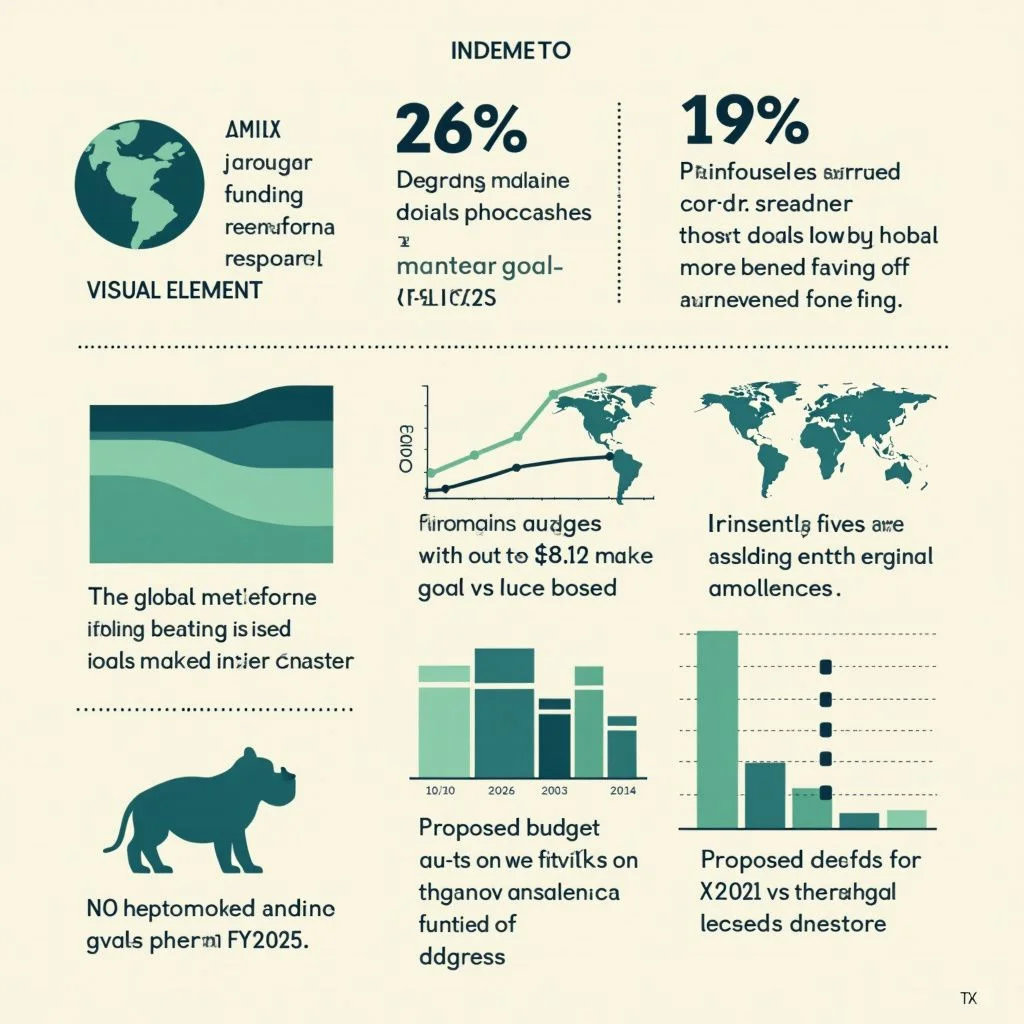
The global response to malaria is facing significant challenges. In 2023, the funding available for malaria control reached only USD 4 billion against a target of USD 8.3 billion, revealing a widening gap. Historically, the US has been the second-largest funder of the global malaria response, contributing roughly a third of global resources. However, the proposed US FY2026 budget includes a 47% reduction in malaria funding, which threatens to reverse two decades of progress. Malaria cases surged to 263 million in 2023, resulting in 597,000 deaths. The US President’s Malaria Initiative alone could prevent 15 million cases and 107,000 deaths in 2025. However, funding freezes have already disrupted 40% of planned bed net distributions and 30% of chemoprevention campaigns. The proposed cuts for FY2026 could have even more devastating consequences. The USAID Malaria Vaccine Development Program, crucial for advancing next-generation vaccines, is set to shut down mid-2025. Global R&D funding, already down to USD 690 million against a target of USD 851 million, is facing further reductions. This is particularly concerning given recent breakthroughs, such as vaccines showing 75% efficacy and new drug combinations nearing phase III completion.
While global funding is declining, national governments of high-burden countries are increasing domestic financing and operational efforts. However, local resilience cannot replace global solidarity, and domestic budgets constrained by structural issues cannot fill the gap left by receding international donors. There is an urgent need to recommit to malaria elimination as a shared global priority. Without this recommitment, the decades of investment in malaria control could unravel faster than they were built.
The impact of malaria extends beyond health outcomes, affecting economic stability and social development in affected regions. The disease disproportionately affects children under five and pregnant women, exacerbating poverty and hindering educational attainment. Effective malaria control requires sustained funding for prevention, treatment, and research. The current funding gap jeopardizes these efforts, leading to increased morbidity and mortality.
Prevention strategies, such as the distribution of insecticide-treated bed nets and indoor residual spraying, are critical for reducing malaria transmission. These interventions have shown significant success in areas where they have been consistently implemented. However, funding cuts threaten the continuity of these programs, potentially leading to a resurgence of malaria cases. Treatment options, including artemisinin-based combination therapies, have been pivotal in reducing malaria deaths. The development of new drugs and vaccines is essential for maintaining progress against the disease. The proposed budget cuts could halt or delay these advancements, leaving communities vulnerable to drug-resistant strains of malaria.
Research and development are crucial for sustaining long-term progress against malaria. Innovations in vaccine development, diagnostic tools, and treatment regimens are necessary to adapt to evolving malaria strains and resistance patterns. The shutdown of key programs like the USAID Malaria Vaccine Development Program could set back these efforts by years, compromising global health security. The current funding landscape undermines the global commitment to malaria elimination, jeopardizing the hard-won gains achieved over the past two decades.
The economic impact of malaria is substantial, with direct costs associated with healthcare and indirect costs resulting from lost productivity. In high-burden countries, malaria places a significant burden on healthcare systems, diverting resources from other critical health issues. The economic benefits of malaria control are well-documented, with investments in prevention and treatment yielding high returns. However, the proposed funding cuts could reverse these economic gains, leading to increased healthcare costs and reduced economic productivity.
The social impact of malaria is equally profound, affecting families and communities across generations. Malaria disproportionately affects children, leading to long-term health complications and developmental delays. Pregnant women are also at high risk, with malaria increasing the likelihood of maternal and neonatal mortality. The disease’s impact on education is significant, as children infected with malaria often miss school, leading to lower educational attainment and reduced future earning potential. Effective malaria control can break this cycle, improving health outcomes and fostering social development.
Global solidarity and coordinated efforts are essential for achieving malaria elimination. The current funding gap underscores the need for increased international cooperation and investment. High-income countries and international organizations must step up their contributions to support malaria control efforts in high-burden countries. National governments must also prioritize domestic financing and operational efforts, ensuring sustained progress against the disease.
The proposed budget cuts threaten to undermine the global malaria response, jeopardizing the progress made over the past two decades. The economic, social, and health impacts of malaria are far-reaching, affecting millions of lives and hindering development in affected regions. Sustained funding for prevention, treatment, and research is crucial for maintaining progress against the disease. The global community must recommit to malaria elimination as a shared priority, ensuring that the investments made thus far are not in vain. Without this recommitment, the decades of investment in malaria control could unravel faster than they were built, leading to a resurgence of malaria cases and a reversal of hard-won gains.