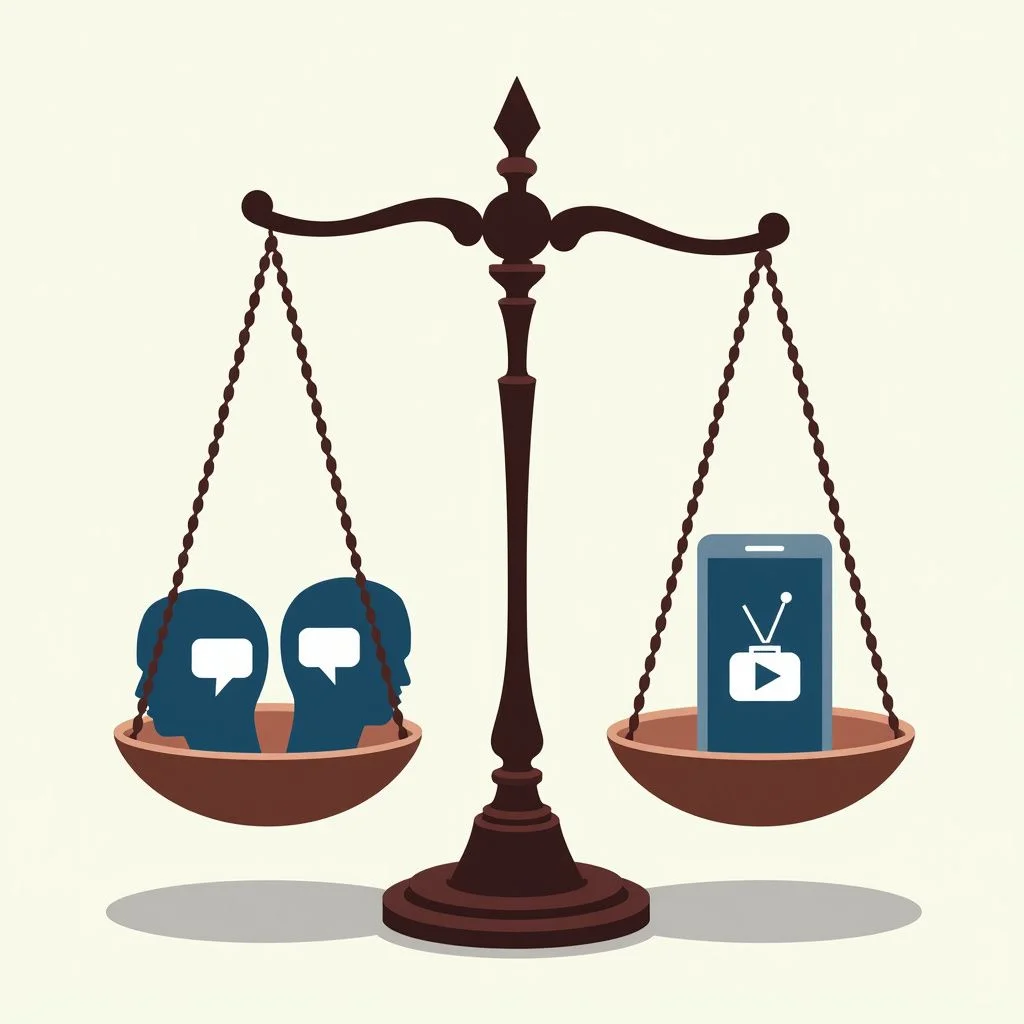
Australia’s unprecedented social media ban for children under 16, set to take effect on December 10, has sparked global attention and debate. This legislation aims to address growing concerns about the impact of social media on teen mental health and well-being. Since its passage in 2024, other countries have followed suit, introducing or considering similar legislation. Denmark plans to ban social media for users under 15, and the UK is exploring age-restricted bans or alternative measures such as time restrictions. These efforts reflect a broader concern among policymakers, civil society, and researchers about the correlation between children’s well-being and social media use. Studies have linked excessive social media use to increased rates of depression, anxiety, distorted body image, and low self-esteem. Additionally, there are concerns about rising rates of hopelessness and loneliness among children.
Beyond these correlational studies, the effectiveness of bans in curbing excessive social media use remains uncertain. There are also significant concerns about children’s right to free expression, access to information, online privacy, and the role of parents in policing social media use. The debate underscores the need for a balanced approach that addresses these multifaceted issues.
Australia’s ban has been overwhelmingly popular, with a YouGov poll showing 77% support at the time of its passage. However, enforcement challenges and potential shifts in public opinion as the law takes effect are yet to be seen. The rules will not come into force all at once, and no other country has yet passed an outright prohibition. Denmark is the latest to propose a ban, with an exception for kids who have parental consent at age 13. Globally, a survey found that 65% of people support banning children under the age of 14 from using social media, with majorities in 29 out of 30 countries surveyed, except Germany. Other countries have taken more targeted approaches, such as raising the age needed for parental consent to open an account, restricting the use of cellphones in classrooms, and strengthening protections for children’s data.
In the United States, without much action at the federal level, states have sought to address children’s use of social media through various measures. Florida banned children under 14 from using certain social media platforms, though this law faced legal challenges. Other states, such as Utah, Texas, Arkansas, and Louisiana, have attempted to require parental consent for minors to have social media accounts, raising the bar from the federal threshold set at 13 years old. California and New York have focused on regulating “addictive feeds” for minors and strengthening privacy settings. These state-level efforts reflect similar concerns about children’s mental health, rising online time, and harassment.
Legislative Efforts in the United States
At the federal level, Sen. Brian Schatz (D-HI) introduced the Kids Off Social Media Act (KOSMA) to prohibit children under 13 from creating or maintaining social media accounts and ban content recommendations based on personal data for children under 17. The bill has bipartisan support and backing from various organizations. Additionally, members of Congress have expressed renewed interest in legislation on children’s online safety, examining various proposals to protect children and their data online. Social media companies have also announced new provisions related to kids’ and teens’ accounts. Meta has rolled out “Teen Accounts” with built-in protections and parental controls, and in October, announced that teens on Instagram will only be shown PG-13 content. However, the Motion Picture Association sent Meta a cease-and-desist letter, suggesting that Meta had been “highly misleading” in applying the PG-13 rating without regard for the multistakeholder process.
Despite the growing support for social media bans, there is little evidence that such bans are an effective solution. They may raise as many challenges as they aim to solve. Governments considering age-based approaches must address legal, technical, and social implications. Tech companies have maintained that outright bans are difficult to enforce, as children often find ways to circumvent restrictions. In Australia, companies have expressed concern about the lack of a grace period and the heavy penalties imposed on platforms rather than users who subvert the restrictions. Even if bans could be successfully implemented, barring kids from social media might not meaningfully reduce screen time. Studies suggest that restricting access to certain platforms does not necessarily encourage kids to spend more time offline but rather pushes them toward other activities like watching television, playing video games, or exploring “darker corners of the internet.”
Legal and Constitutional Concerns
Legal and constitutional concerns also pose significant hurdles. Several state-level bans have faced legal challenges on the grounds that they restrict free expression. Civil liberties groups argue that proposed bans, such as KOSMA, would unconstitutionally infringe on minors’ rights to access and share information online. Similar critiques have been leveled against other proposals, such as the Kids Online Safety Act (KOSA), which some warn could restrict access to critical resources, especially those that can benefit children navigating questions of identity. The protection of children’s online data privacy is a notable concern, given that proposed bans often depend on new forms of age verification and age assurance. Many states have not specified how these checks should be performed, raising questions about how companies will collect, store, and protect sensitive data. The potential use of government-issued IDs or biometric information introduces significant risks, including data breaches, misuse, and exclusion of those who lack formal identification.
Young people themselves are questioning the effectiveness of these blanket bans. Some argue that these efforts seem disingenuous and that removing entire online spaces for young people, versus addressing specific issues, is not the solution. Bans may also deprive teens of opportunities to develop digital literacy skills by navigating online environments gradually and with guidance. Teenage users will still be introduced to these platforms at some point, and shielding them entirely from social media can delay essential conversations between parents and their children about online risks, while hampering their ability to build these competencies early. Furthermore, social media often serves as a vital resource for LGBTQ+ youth, providing peer support, access to health information, and a sense of community that may be absent offline.
The Underlying Problem with Social Media Bans
The underlying problem with this regulatory trend is that social media bans target access instead of platform behavior. Policymakers’ central concern is children’s exposure to harmful content and the mental health impacts of social media, but these harms are not limited to underage users. Addictive design features, dangerous content, and negative psychological effects affect users across all age groups, indicating the need for solutions that address these issues systematically, rather than through age-based restrictions alone. This is not to say that the special attention to minors is not important, but it is critical to understand if the remedy will solve the broader problem.
Regulatory Approach
Regulators are aware that delaying children’s access to social media accounts won’t solve everything, but it will introduce some friction in a system that has previously had none. However, to effectively address the issues driving the rising popularity of social media bans around the world, working with tech companies to reform and redesign the platforms themselves is the imperative next step. Pursuing a self-regulatory framework can address children’s online safety while maintaining industry-wide goals. Meta’s attempt to assert ratings and its new “Teen Accounts” suggest industry proclivity toward self-regulation, though it might be coming a little too late in the broader debate about children’s safety.
A Safer Digital Environment
If governments aim to build a safer digital environment, the more effective path is to hold technology companies accountable for the design of their platforms and the content moderation systems that allow harmful material and behaviors to persist. Rather than banning access to online spaces that educate, connect, and empower young people, lawmakers should focus on regulating the underlying systems—data collection, algorithms, and content moderation—that power harmful dynamics online. A regulatory approach that tackles platform design and holistic governance offers a promising path toward a digital environment that is safe, inclusive, and sustainable for users of all ages.
Addressing Underlying Issues
Beyond this, it is essential to examine why young people are addicted to social media in the first place. The answer might lie in deeper societal issues that have driven the shift toward greater technological dependence. Addressing these underlying issues is crucial for developing comprehensive solutions that go beyond mere access restrictions.