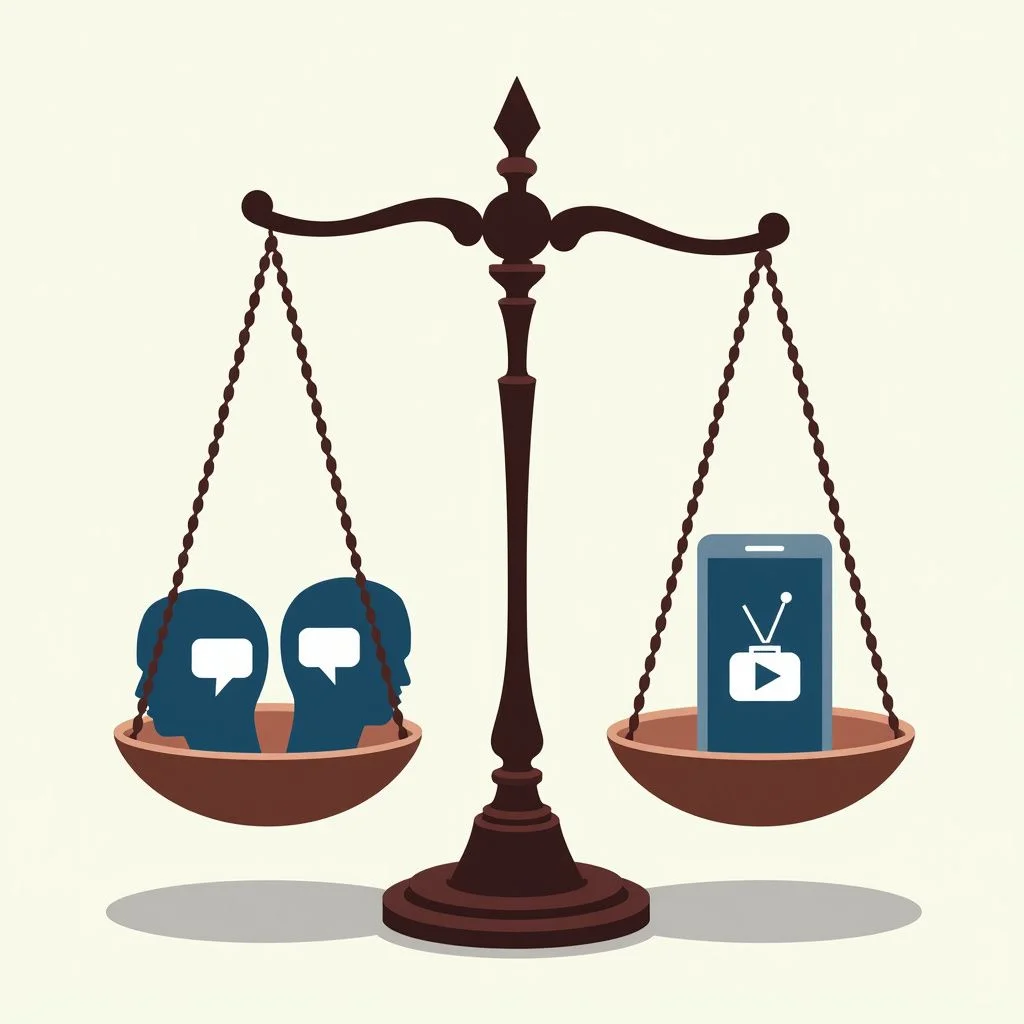
Australia’s unprecedented social media ban for children under 16, set to take effect on December 10, has sparked global attention and debate. This legislation aims to address growing concerns about the impact of social media on teen mental health and well-being. Since its passage in 2024, other countries have followed suit, introducing or considering similar legislation. Denmark plans to ban social media for users under 15, and the UK is exploring age-restricted bans or alternative measures such as time restrictions. These efforts reflect a broader concern among policymakers, civil society, and researchers about the correlation between children’s well-being and social media use. Studies have linked excessive social media use to increased rates of depression, anxiety, distorted body image, and low self-esteem. Additionally, there are concerns about rising rates of hopelessness and loneliness among children.
Beyond these correlational studies, the effectiveness of bans in curbing excessive social media use remains uncertain. There are also significant concerns about children’s right to free expression, access to information, online privacy, and the role of parents in policing social media use. The debate underscores the need for a balanced approach that addresses these multifaceted issues.
Australia’s ban has been overwhelmingly popular, with a YouGov poll showing 77% support at the time of its passage. However, enforcement challenges and potential shifts in public opinion as the law takes effect are yet to be seen. The rules will not come into force all at once, and no other country has yet passed an outright prohibition. Denmark is the latest to propose a ban, with an exception for kids who have parental consent at age 13. Globally, a survey found that 65% of people support banning children under the age of 14 from using social media, with majorities in 29 out of 30 countries surveyed, except Germany. Other countries have taken more targeted approaches, such as raising the age needed for parental consent to open an account, restricting the use of cellphones in classrooms, and strengthening protections for children’s data.
In the United States, without much action at the federal level, states have sought to address children’s use of social media through various measures. Florida banned children under 14 from using certain social media platforms, though this law faced legal challenges. Other states, such as Utah, Texas, Arkansas, and Louisiana, have attempted to require parental consent for minors to have social media accounts, raising the bar from the federal threshold set at 13 years old. California and New York have focused on regulating “addictive feeds” for minors and strengthening privacy settings. These state-level efforts reflect similar concerns about children’s mental health, rising online time, and harassment.
At the federal level, Sen. Brian Schatz (D-HI) introduced the Kids Off Social Media Act (KOSMA) to prohibit children under 13 from creating or maintaining social media accounts and ban content recommendations based on personal data for children under 17. The bill has bipartisan support and backing from various organizations. Additionally, members of Congress have expressed renewed interest in legislation on children’s online safety, examining various proposals to protect children and their data online. Social media companies have also announced new provisions related to kids’ and teens’ accounts. Meta has rolled out “Teen Accounts” with built-in protections and parental controls, and in October, announced that teens on Instagram will only be shown PG-13 content. However, the Motion Picture Association sent Meta a cease-and-desist letter, suggesting that Meta had been “highly misleading” in applying the PG-13 rating without regard for the multistakeholder process.
Despite the growing support for social media bans, there is little evidence that such bans are an effective solution. They may raise as many challenges as they aim to solve. Governments considering age-based approaches must address legal, technical, and social implications. Tech companies have maintained that outright bans are difficult to enforce, as children often find ways to circumvent restrictions. In Australia, companies have expressed concern about the lack of a grace period and the heavy penalties imposed on platforms rather than users who subvert the restrictions. Even if bans could be successfully implemented, barring kids from social media might not meaningfully reduce screen time. Studies suggest that restricting access to certain platforms does not necessarily encourage kids to spend more time offline but rather pushes them toward other activities like watching television, playing video games, or exploring “darker corners of the internet.”
Legal and constitutional concerns also pose significant hurdles. Several state-level bans have faced legal challenges on the grounds that they restrict free expression. Civil liberties groups argue that proposed bans, such as KOSMA, would unconstitutionally infringe on minors’ rights to access and share information online. Similar critiques have been leveled against other proposals, such as the Kids Online Safety Act (KOSA), which some warn could restrict access to critical resources, especially those that can benefit children navigating questions of identity. The protection of children’s online data privacy is a notable concern, given that proposed bans often depend on new forms of age verification and age assurance. Many states have not specified how these checks should be performed, raising questions about how companies will collect, store, and protect sensitive data. The potential use of government-issued IDs or biometric information introduces significant risks, including data breaches, misuse, and exclusion of those who lack formal identification.
Los jóvenes mismos están cuestionando la efectividad de estas prohibiciones generales. Algunos argumentan que estos esfuerzos parecen poco sinceros y que eliminar espacios en línea enteros para los jóvenes, en lugar de abordar problemas específicos, no es la solución. Las prohibiciones pueden privar a los adolescentes de oportunidades para desarrollar habilidades de alfabetización digital al navegar entornos en línea gradualmente y con orientación. Los usuarios adolescentes aún serán introducidos a estas plataformas en algún momento, y protegerlos por completo de las redes sociales puede retrasar conversaciones esenciales entre padres e hijos sobre riesgos en línea, mientras que obstaculiza su capacidad para desarrollar estas competencias temprano. Además, las redes sociales a menudo sirven como un recurso vital para los jóvenes LGBTQ+, proporcionando apoyo de pares, acceso a información de salud y un sentido de comunidad que puede estar ausente en línea.
El problema subyacente con esta tendencia regulatoria es que las prohibiciones de las redes sociales se centran en el acceso en lugar del comportamiento de la plataforma
Los formuladores de políticas están conscientes de que retrasar el acceso de los niños a las cuentas de las redes sociales no resolverá todo, pero introducirá algún fricción en un sistema que anteriormente no tenía. Sin embargo, para abordar efectivamente los problemas que impulsan la popularidad creciente de las prohibiciones de las redes sociales en todo el mundo, trabajar con las empresas de tecnología para reformar y rediseñar las plataformas mismas es el paso siguiente imperativo. La búsqueda de un marco regulatorio autónomo puede abordar la seguridad en línea de los niños mientras mantiene los objetivos de la industria en su conjunto. El intento de Meta de establecer calificaciones y sus nuevas «Cuentas para adolescentes» sugieren una tendencia de la industria hacia la auto-regulación, aunque podría llegar un poco tarde en el debate más amplio sobre la seguridad de los niños en línea.
Si los gobiernos buscan crear un entorno digital más seguro, el camino más efectivo es hacer que las empresas de tecnología sean responsables del diseño de sus plataformas y de los sistemas de moderación de contenido que permiten que el material y las conductas dañinas persistan
En lugar de prohibir el acceso a los espacios en línea que educan, conectan y empoderan a los jóvenes, los legisladores deberían centrarse en regular los sistemas subyacentes—la recolección de datos, los algoritmos y la moderación de contenido—que impulsan las dinámicas dañinas en línea. Un enfoque regulatorio que aborde el diseño de la plataforma y la gobernanza holística ofrece un camino prometedor hacia un entorno digital seguro, inclusivo y sustentable para los usuarios de todas las edades.
Por encima de esto, es fundamental examinar por qué los jóvenes están adictos a las redes sociales en primer lugar
La respuesta podría estar en problemas sociales más profundos que han impulsado el cambio hacia una mayor dependencia tecnológica. Abordar estos problemas subyacentes es crucial para desarrollar soluciones integrales que vayan más allá de simples restricciones de acceso.