
Ukraine: Week of Importance
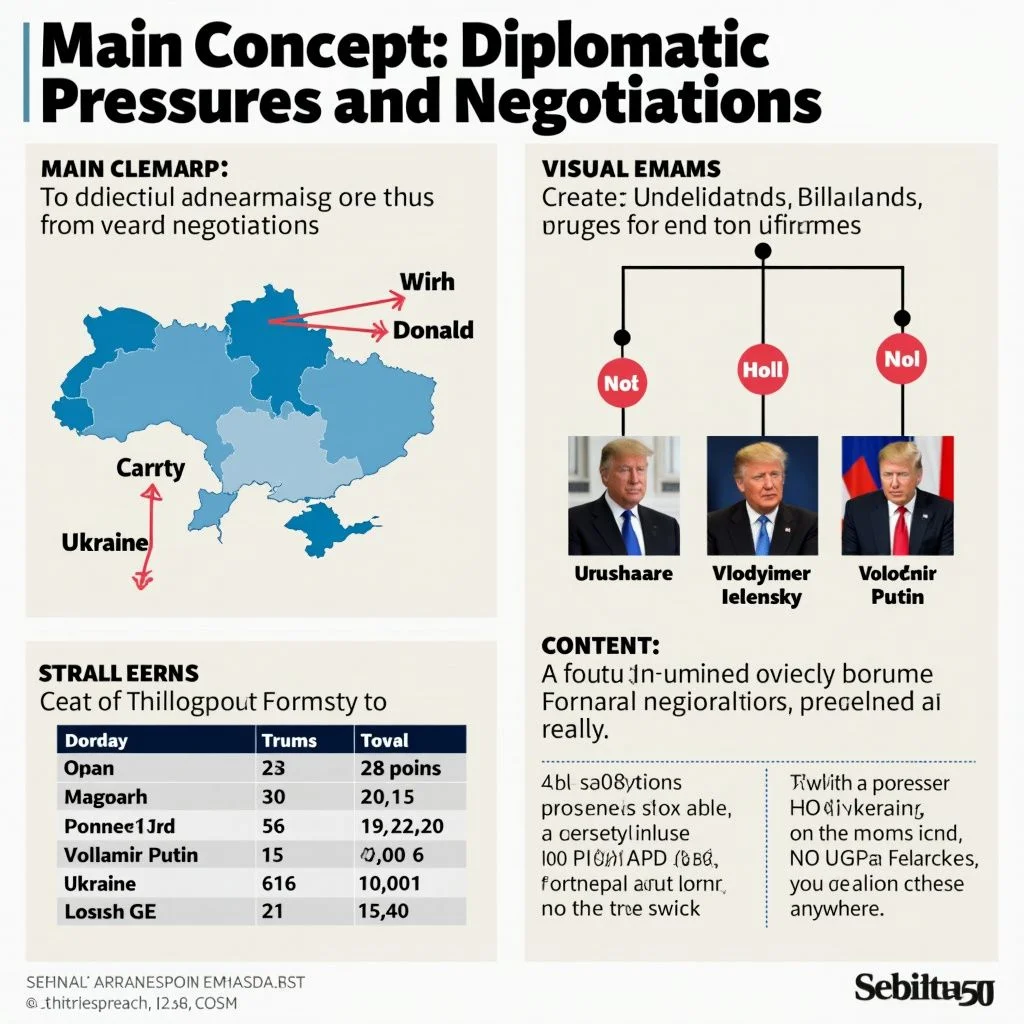
The White House is pushing for a quick agreement in Ukraine while the Kremlin increases pressure and Europe remains on the sidelines. Kiev negotiates in weakness between corruption scandals and fear of yielding to Putin. Tensions escalate in a crucial week, with the United States seeking an end to the conflict through an agreement that could involve territorial concessions. Europe is relegated, expressing frustration and concern over its lack of influence.
The Global Response to TB: Changing and Vulnerable.
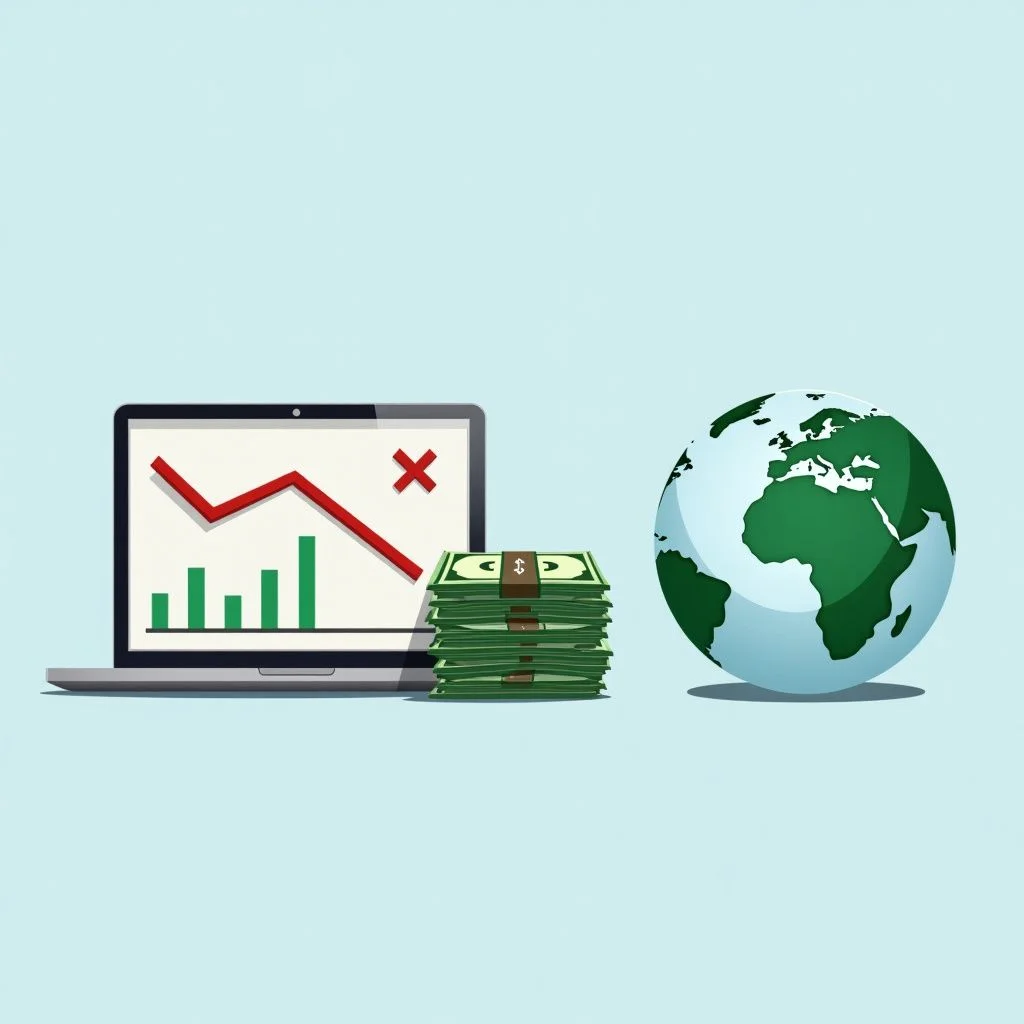
The global response to tuberculosis remains vulnerable, with 1.25 million deaths in 2023 and a $16.3 billion funding gap for 2027. The US proposes to cut its funding by 55% for 2026, which could increase 10.7 million additional cases and 2.2 million additional deaths by 2030, despite national efforts.
Are EU Tax Policies Driving Reform or Merely Reflecting Political Trends?
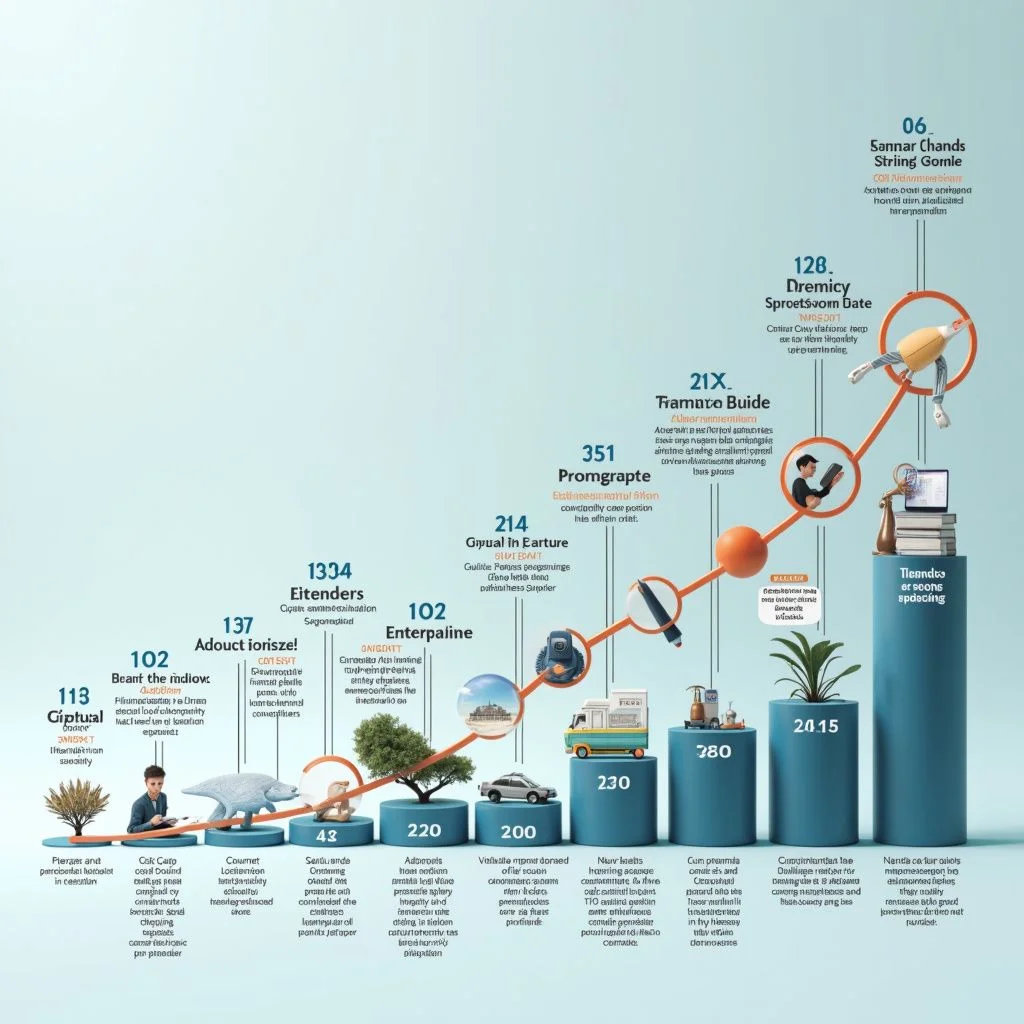
During more than a decade, the European Commission has used Country-Specific Recommendations (CSRs) to push for fiscal reforms in the EU, although a recent analysis reveals changes in fiscal priorities without reflecting real progress. Attention has shifted from labor and consumption taxes to capital taxation and tax administration. Only 14% of these recommendations have been fully implemented.
Europe needs an agreement with Ukraine.

Europe needs an agreement with Ukraine to counter Russian influence. The US and Russia’s proposal ignores Ukraine and Europe. The US’s lack of clarity on its goals and Trump’s priority of ending the war complicate the situation. Russia seeks economic benefits at Ukraine and Europe’s expense. Putin aims to weaken the relationships between the US, Ukraine, and Europe, seeking submission.
Brookings Annual Meetings: Unveiling Egypts Strategy for Sustainable Growth and Development and AI
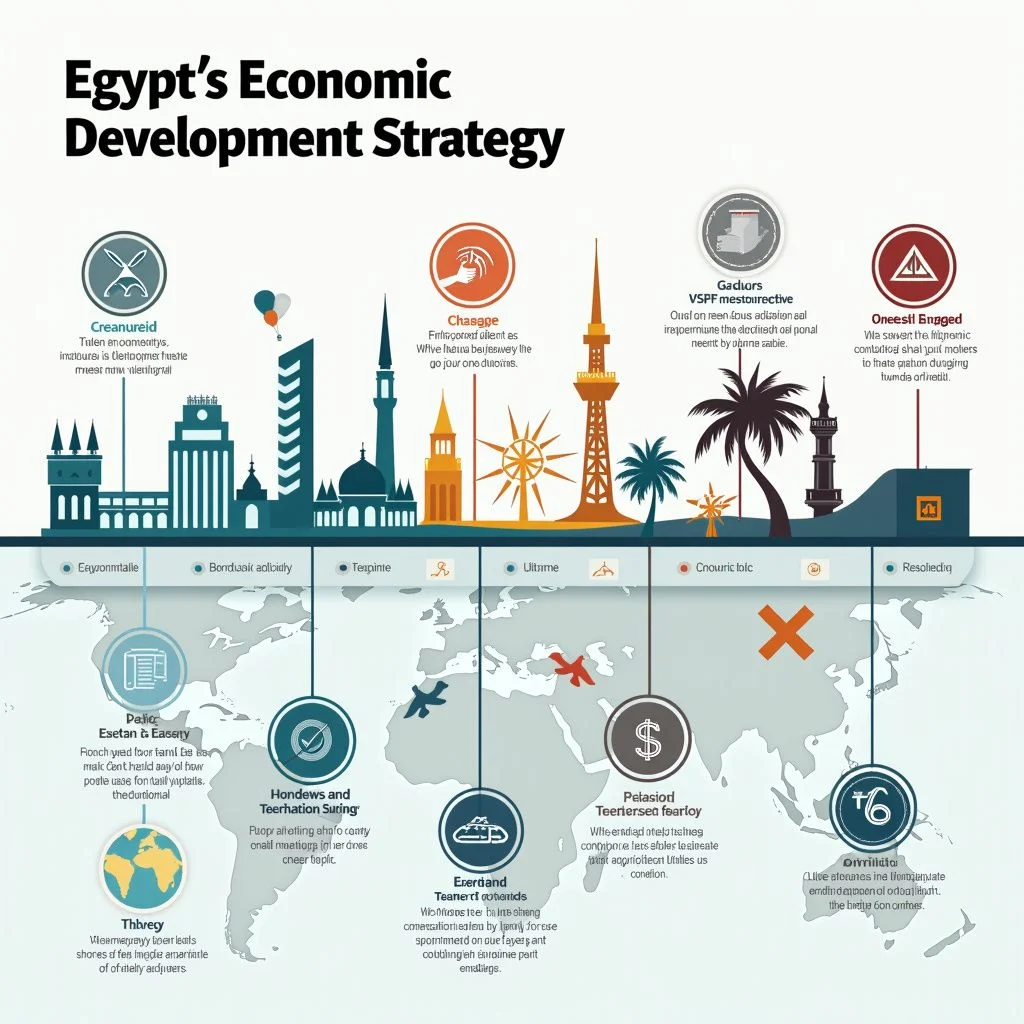
In an interview during the World Bank and International Monetary Fund Annual Meetings, Egyptian Minister Rania Al-Mashat discussed Egypt’s National Economic Development Strategy, focused on transforming the country’s economy through macroeconomic stability, structural reforms, international cooperation, and concessionary financing for the private sector, mobilizing over $15 billion in four years for growth projects.