
Insights into Proposed Changes to the Enhanced Supplementary Leverage Ratio
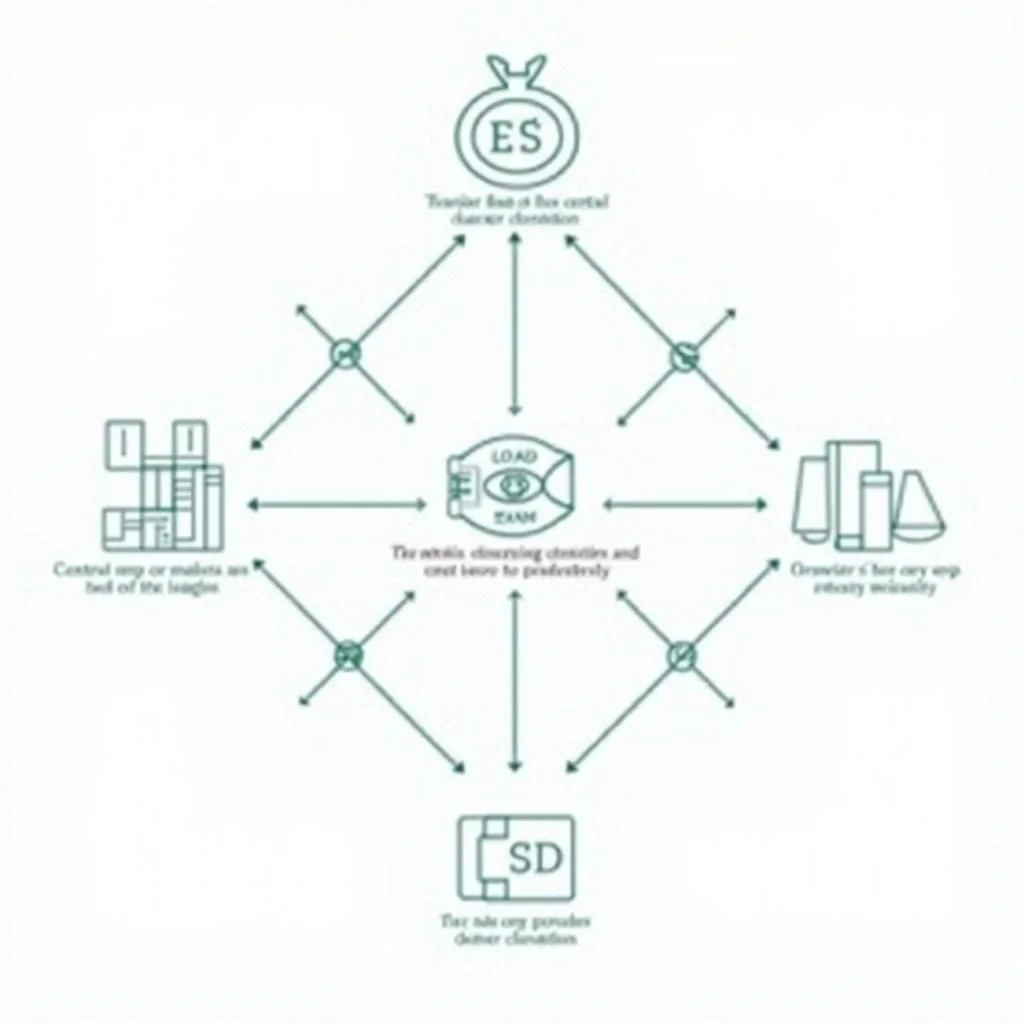
The proposal seeks to recalibrate the Enhanced Supplementary Leverage Ratio to increase intermediation in low-risk markets, such as the Treasury bond market, through central clearing, without increasing risks for banking firms, and to support the recalibration of the e-SLR surcharge for GSIBs.
Asia Needs to Boost Regional Cooperation to Strengthen Economic Resilience Amid Tariff Uncertainty
Asia must prioritize regional cooperation amid US tariff uncertainty. Japan accepted a deal with tariff rows in exchange for purchases and Taiwan faces trade challenges from US investigations, being affected by trade actions
European and Global Collaboration in Research and Innovation: Success Stories and Key Takeaways

European and global cooperation in research and innovation requires multi-stakeholder partnerships to address global challenges such as climate change, health threats, and loss of biodiversity. The EU, with experience in R&D partnerships, should adopt a more strategic, inclusive, and sustainable approach, prioritizing strategic alignments, multi-stakeholder representation, mixed funding, local ownership, and crisis response. Challenges are identified as administrative complexity, fragmentation of funds, and lack of representation of middle- and low-income countries.
The EU and Mercosur reach a historic agreement.

The European Union and Mercosur are close to a historic free trade agreement, after more than twenty years of negotiations. The alliance would involve more than 700 million people and an annual exchange of almost 100 billion euros. Environmental and agricultural issues have been addressed. Following the acceleration of conversations by the Spanish presidency of the EU Council and the interest of Brazil and Argentina, the ratification of the agreement is expected in 2025, despite opposition.
New Agreement in Scotland: Key Details and Initiatives
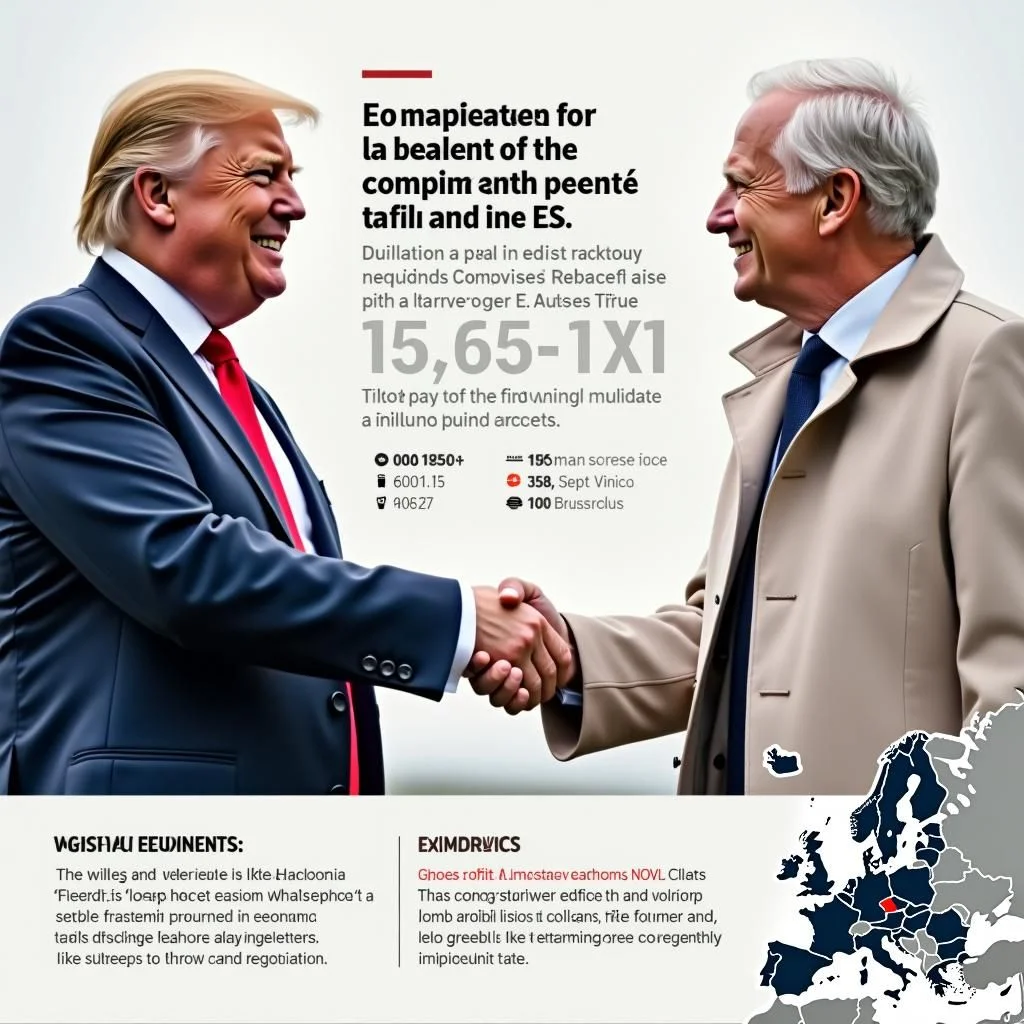
In June 2019, the EU and the US agreed on a tariff truce and numerous cross-border trade reductions. The agreement received criticism for being asymmetric and not legally binding. Tensions continue due to future increases in tariffs. The EU is seeking to strengthen global competitiveness.