
Exploring the Well-Being of Black Boys and Men: Why It Matters

The Wellness in Black Life (WIBL) project studies the well-being of Black children and men in the United States, highlighting its importance for families and communities. It seeks to promote positive narratives to improve their well-being and resilience, identifying dimensions such as belonging and human connection through community conversations. The goal is for them to define their own well-being and develop themselves.
Preparing Young People for the AI Workplace: Focus on the Fundamentals

Artificial intelligence (AI) requires young people to focus on the fundamentals and build their careers, while facing job uncertainty due to its impact. To adapt to the transformation, it is vital to diversify skills, practical learning, guidance, and support networks, along with the collaboration of various stakeholders to mitigate gaps.
Beijing shows its power
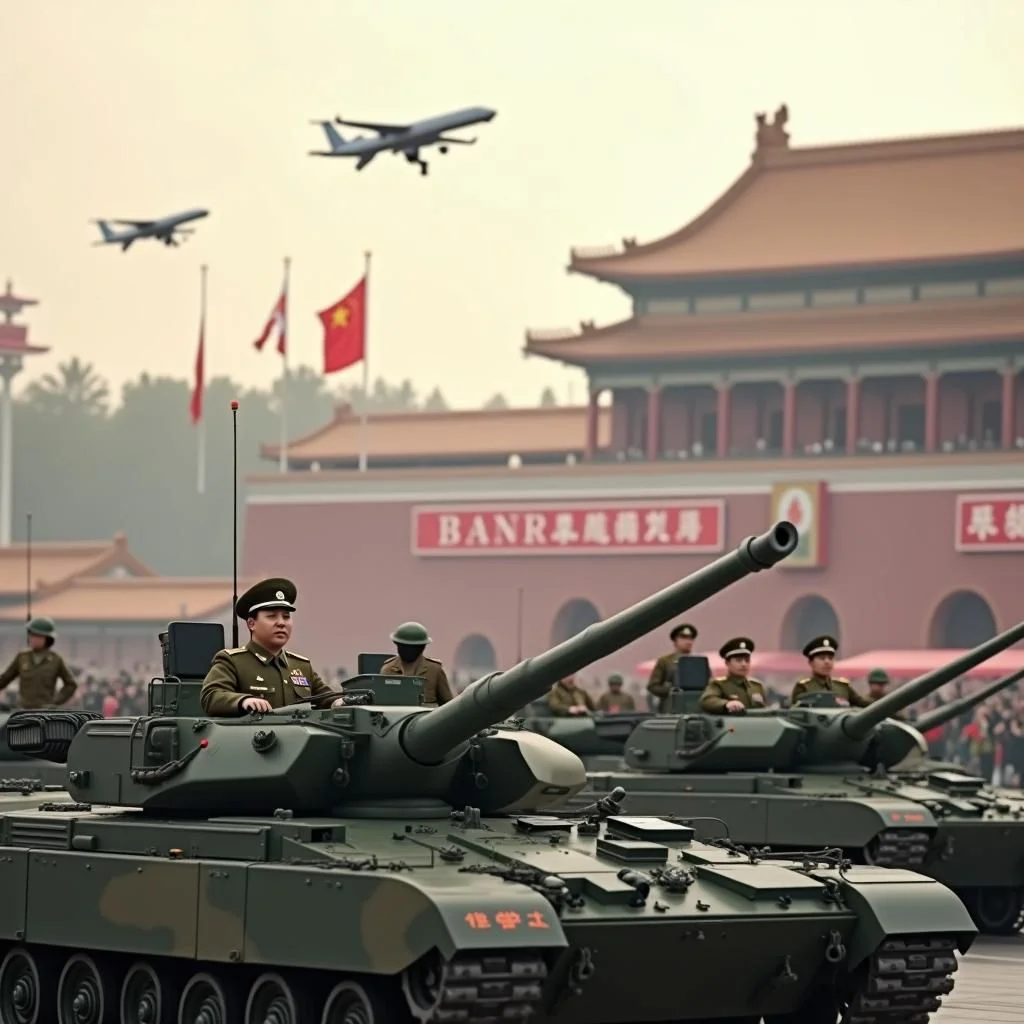
The military parade in Beijing commemorated the victory in World War II, showcasing the might of the People’s Liberation Army. World leaders witnessed the parade of tanks and missiles, while Trump criticized Xi and Putin and Kim Jong Un attended, evidencing the shift in tone and authoritarian alliances. The parade highlighted China’s military modernization and its ambition to lead a new world order.
The Earned Income Tax Credit: 50 Years of Impact, Current State, and Future Prospects
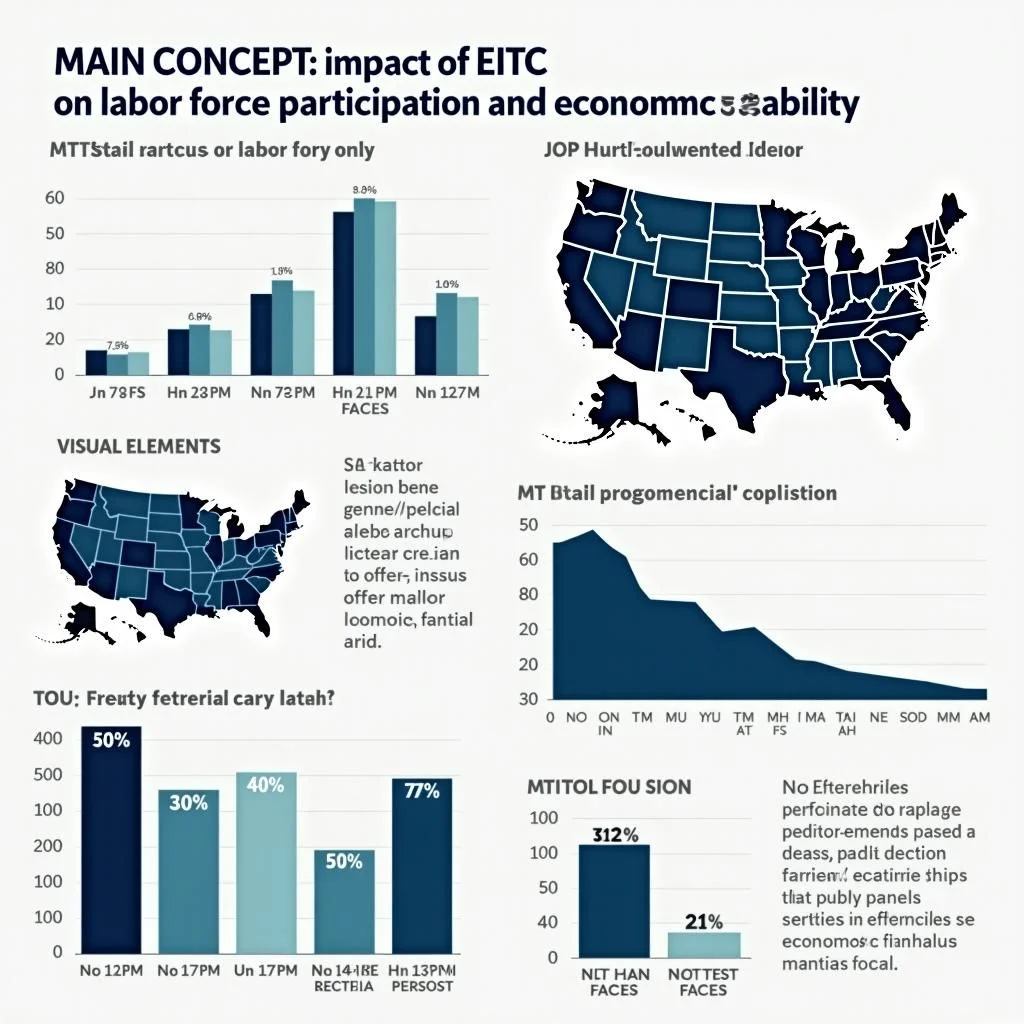
The Earned Income Tax Credit (EITC) turned 50 and helps 30 million low-income working families with $80 billion annually. Experts examined its impact and future, including labor force participation and its expansion to childless workers.
Lessons for Africa from the Critical Minerals Agreement between the US and Ukraine.

The critical minerals agreement between the US and Ukraine in 2025 offers lessons to Africa on sovereignty and participation in global value chains. Africa has vital minerals for the energy transition, but needs to improve structural transformation and local value addition. Ukraine’s integration into Western green value chains highlights the importance of balancing extractive relationships with local value addition.