Donald Trump’s Digital Mercantilism
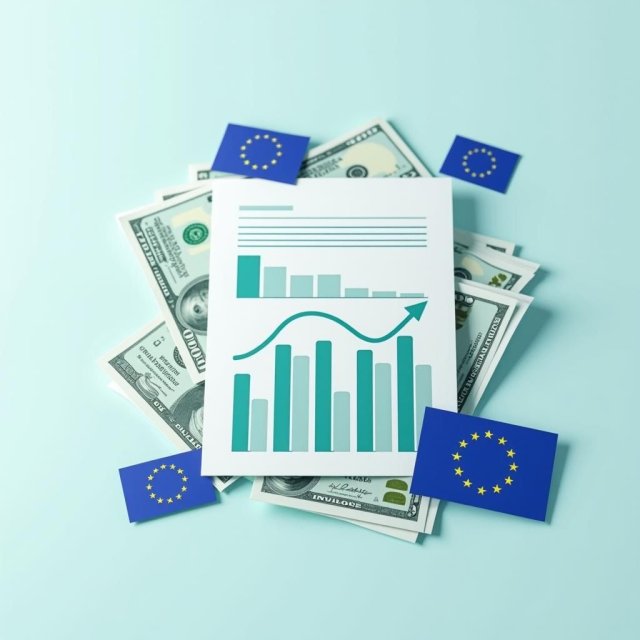
Donald Trump seeks to protect large US tech companies from European regulations, while the EU demands accountability from digital companies.

Donald Trump seeks to protect large US tech companies from European regulations, while the EU demands accountability from digital companies.

Population ageing in the EU generates fiscal pressure, lower growth and increased pension costs. Employment-focused migration is crucial to counteract these effects. The EU must rely on high levels of net migration to mitigate the economic effects of ageing.

Federal lawmakers use inflation rebates to lower drug prices, forcing pharmaceutical companies to pay when prices rise faster than inflation. These rebates do not apply to drugs sold to patients with commercial insurance, but states could impose their own requirements to fill this gap, avoiding legal challenges.

The Luddites feared the social and economic impacts of technology and who controlled it. Today, with artificial intelligence, we must remember the Luddites: rejecting that corporations unilaterally decide the technological course, prioritizing the impact on workers, social cohesion, and democracy. Journalists, academics, lawmakers, and educators must question the corporate narrative about the inevitability of innovation, focusing on human agency and who benefits and who pays the price in the development of artificial intelligence.

Europe is experiencing a green technological rebirth, seeking opportunities and avoiding dependence on China. China, with its ambition to become an electric powerhouse, serves as an example and warning for the EU. The EU has solid capabilities in clean technologies and potential to lead in clean energy in the short term.