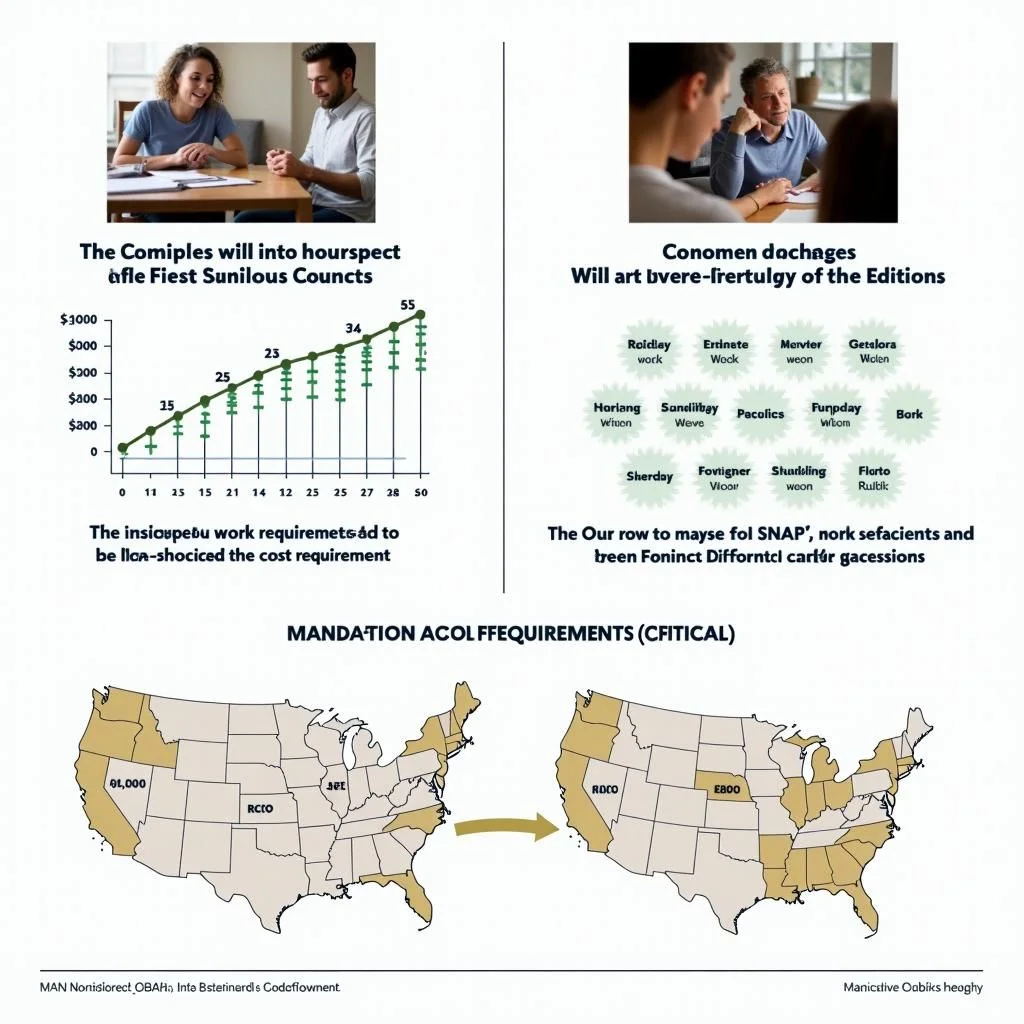
The One Big Beautiful Bill Act (OBBBA) introduces significant structural changes to the Supplemental Nutrition Assistance Program (SNAP), which will severely limit its effectiveness as an automatic stabilizer during economic downturns. These changes include shifting a portion of SNAP benefit costs onto states and imposing new work requirements, both of which will hinder SNAP’s ability to respond to recessions. OBBBA also changes SNAP work requirement policies, which will undermine the program’s role in providing support during economic downturns.
Economic recessions bring widespread hardship, including increased job loss, longer unemployment spells, reduced access to credit, financial stress, business closures, lower tax revenues, and decreased economic growth. While recessions can be local or regional, policymakers use fiscal and monetary tools to address these issues. However, these tools take time to implement and have an impact. Automatic stabilizers, like SNAP, do not require policymaker action and can quickly provide relief during economic downturns.
SNAP has historically been a key automatic stabilizer. When people lose their jobs or experience a decline in income, they can quickly enroll in SNAP and receive benefits, which they spend immediately in their local communities. This not only provides a basic need but also helps stabilize and stimulate the local economy. As economic conditions improve, SNAP enrollment and spending decline, making these dynamics temporary.
OBBBA introduces a mandate for states to pay for a portion of SNAP benefits, a policy that has never been implemented before. This change will likely lead some states to cut SNAP participation substantially or even end their participation in the program entirely. States are required to balance their budgets, even during recessions when revenues are declining. This will force states to cut SNAP benefits or other programs, weakening the economy further.
The economic impact of SNAP changes will be significant. SNAP benefits have a notably high multiplier effect during recessions. Each additional dollar spent on SNAP benefits causes total economic activity to increase by $1.40 to $1.50. However, OBBBA’s changes will limit SNAP’s capacity to expand during recessions, leading to less economic stimulation and prolonging downturns.
Policy Recommendations
To mitigate the detrimental effects of OBBBA on SNAP, policymakers should consider the following actions: 1. Reverse SNAP Cuts: Congress should reverse the SNAP cuts introduced by OBBBA to ensure the program can continue to serve as an effective automatic stabilizer. 2. Annul Structural Changes: If reversing the cuts is not feasible, Congress should prioritize annulling the structural change that pushes a portion of SNAP benefit costs onto states. 3. Reinstate Prior Waiver Criteria: Congress and the U.S. Department of Agriculture (USDA) should consider reinstating the prior criteria for SNAP work requirements and waivers of those requirements. Alternatively, they should reconcile SNAP work requirement waiver rules with the new Medicaid work requirement waiver rules in OBBBA. 4. Suspend Work Requirements During Recessions: Congress should suspend time limit work requirements nationwide when there is a recession, as has been done in the past.
Detailed Analysis of SNAP Payment Error Rates
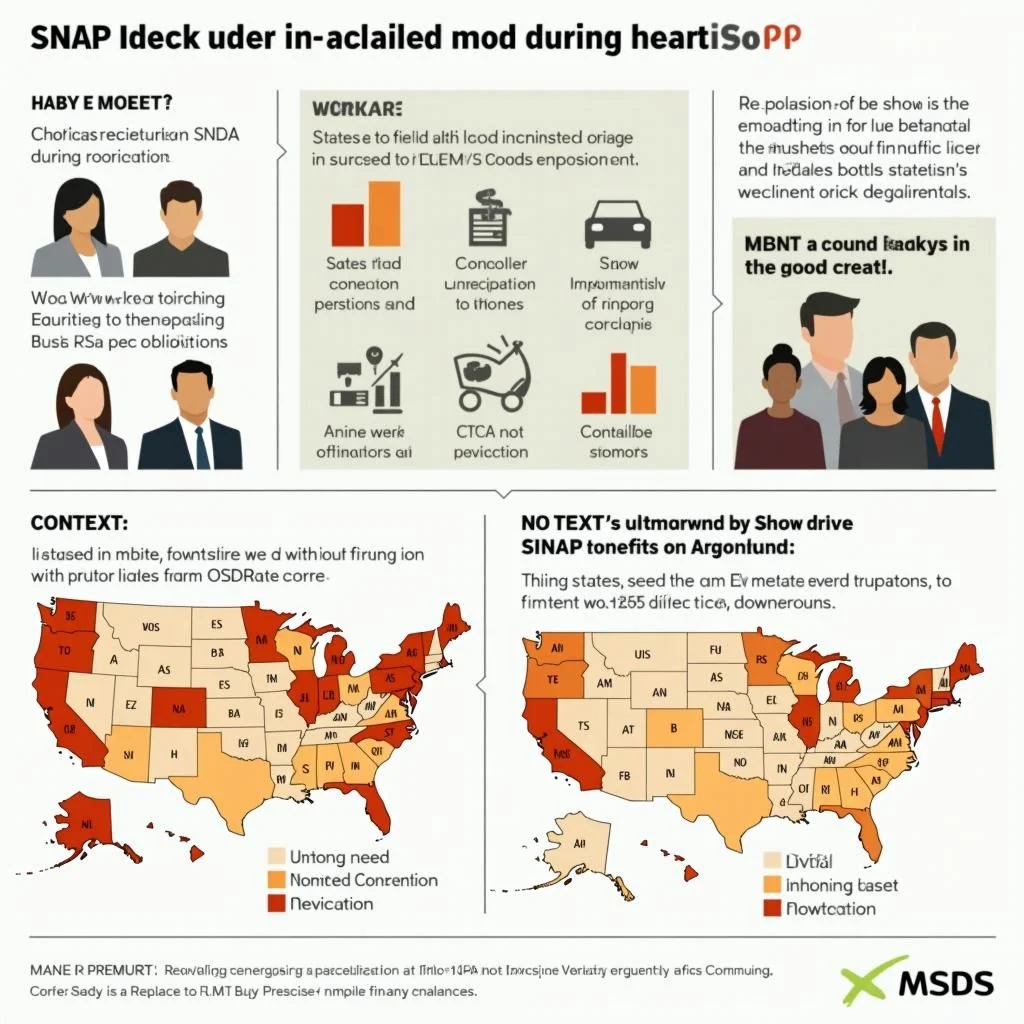
OBBBA ties the share of SNAP benefits that a state will have to pay to the state’s SNAP payment error rate (PER). States with a PER of 6 percent or more will be required to pay a portion of SNAP benefits, ranging from 5 to 15 percent. This policy will make it difficult for states to plan and budget, as PERs fluctuate frequently.
Figure 1 shows the payment error rate (PER) for each state for the most recent year of data, FY2024. Only eight states had a PER below 6 percent. Six states had a PER between 6 and 7.9 percent, 16 states had a PER between 8 and 9.9 percent, and 11 states had a PER between 10 and 13.32 percent. Nine states and D.C. had an error rate above 13.32 percent.
During recessions, total SNAP costs will increase as more families become eligible for the program due to declining income and/or job loss. SNAP error rates tend to increase during recessions, making it harder for states to add the staff needed to deal with increased caseloads and to pay for an increase in the cost of program benefits. States will struggle to shoulder the rising cost of SNAP benefits during a recession, as they do not have the flexibility or tools that the federal government has to borrow to cover increased program costs.
Work Requirements During Economic Downturns
The policy recommendations outlined above aim to mitigate the detrimental effects of OBBBA on SNAP. However, it is essential to address the issue of work requirements during economic downturns. The current policy of imposing time limit work requirements on certain groups, such as older Americans and parents without children under age 14, will only exacerbate the problem. Instead, policymakers should consider suspending time limit work requirements nationwide when there is a recession, as has been done in the past.
Work requirements inhibit the countercyclicality of SNAP because they condition eligibility on both income and employment. Time limit work requirements in SNAP require that participants successfully report that they spent at least 80 hours per month on allowable activities such as work or some types of job training. If participants do not meet the work requirements or successfully document that they qualify for an exemption, they are eligible to receive only three months of SNAP benefits in a three-year period unless they live in an area where work requirements are waived or for the months they are in compliance with the work requirement.
Impact of Work Requirements on SNAP Participants
Research evidence finds that SNAP work requirements do not increase employment. Expanded work requirements will diminish SNAP as an automatic stabilizer and will penalize workers during recessions. Eligibility for means-tested programs increases during an economic contraction because workers lose income or their jobs. These new participants worked in the past and will work again in the future; SNAP helps these families afford food as they look for work and start to work again. However, SNAP work requirement policy does not engage with this dynamic, as it requires program participants to be working at least 80 hours a month in the very first month of benefit receipt or incur their first of three strikes.
Work Requirement Waiver Rules
OBBBA makes it nearly impossible to waive work requirements by place. It radically changes the waiver criteria: Only places with an unemployment rate above 10 percent will be eligible for a waiver. Alaska and Hawaii can receive a waiver if their unemployment rate is 150 percent of the national average. OBBBA also only allows for place-based waivers to last for one year, compared to up to three years during the Great Recession.
Economic Impact of Waiver Rules
Limiting waivers to places with unemployment rates in excess of 10 percent undercuts recession responsiveness. During the Great Recession, 1,338 counties never reached a three-month average unemployment rate of 10 percent. In the first three months of the Great Recession, only 122 counties had a three-month average unemployment rate of 10 percent or higher. Within the first year, only an additional 126 counties hit a three-month average unemployment rate of 10 percent. Between the first and second years of the recession, 1,154 additional counties hit 10 percent unemployment with a 3-month average, an additional 338 counties between years two and three, 28 counties between years three and four. Between the fourth year and the end of the business cycle, 17 additional counties reached a three-month average unemployment rate of 10 percent or above.
Conclusion
OBBBA’s policy changes to SNAP will weaken and undermine the program’s ability to alleviate hardship for families during downturns and diminish SNAP’s vital contribution to stabilizing demand. Achieving sounder, more effective countercyclical SNAP policy will entail undoing the principal SNAP changes in OBBBA.