globo_gris_transparente

Tag: climate policy

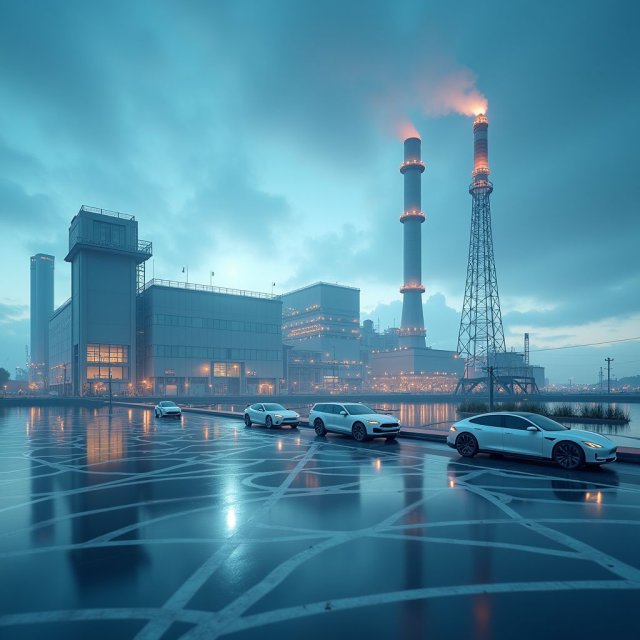
Las empresas extranjeras invierten en instalaciones de fabricación de baterías y vehículos eléctricos en Europa.
Globalization

Europe Poised for Growth in Battery and Electric Vehicle Manufacturing

Europe is experiencing solid growth in battery and electric vehicle manufacturing thanks to foreign investments, strengthening its energy and climate policy security. Batteries and EVs represent two-thirds of the global clean technology market. The European Union implements policies to promote these markets and reduce carbon emissions, with key foreign investors such as South Korean companies.


Leer más »
Estructuras de madera, productos de base biológica y edificios de hormigón curado con CO2 en exhibición.
Environment

Re-designing materials, reducing carbon: How the EU can build a carbon-neutral future.

The role of carbon removal is crucial for climate neutrality, requiring greater mitigation efforts to achieve net-zero emissions. Solutions such as carbon storage in buildings through materials like wood, bio-based products and concrete cured with CO2 are highlighted, although their real contribution to net carbon removal is uncertain. Natural and technological approaches to carbon removal are highlighted.

Leer más »
Un reloj y una balanza equilibran necesidades presentes y futuras.
Environment

Governing Climate Policy in a Divided World: Strategies for Success

At the COP30, ministers face political divisions over carbon targets, highlighting the importance of global governance. Proposals include offices for future generations and decreasing social discount rates. It is crucial to operationalize common but differentiated responsibilities, scale up climate financing, and promote carbon clubs.

Leer más »
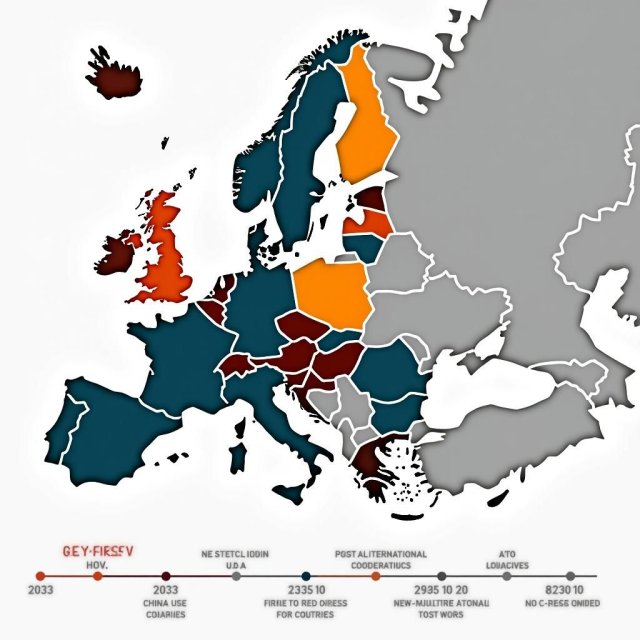
Un mapa de Europa con bloques coloreados y una cronología.
Globalization

Geopolitical Shifts: Economic Impacts on Europe and Key Policy Choices

Europe will face geopolitical and economic changes in the short and medium term due to the deterioration of the post-war international order, economic pressures from China and the United States, and Russian aggression. Scenarios are proposed for 2030-2035 and policies to address risks such as the collapse of the US bond market, Russian military aggression, fiscal crisis due to populism, and trade tensions between the US and China. Three possible scenarios are presented for 2035: less international cooperation, three blocks led by China and the US, and a new multilateral order. Europe must prepare for adverse scenarios, increase its strategic autonomy, and promote the international order.

Leer más »