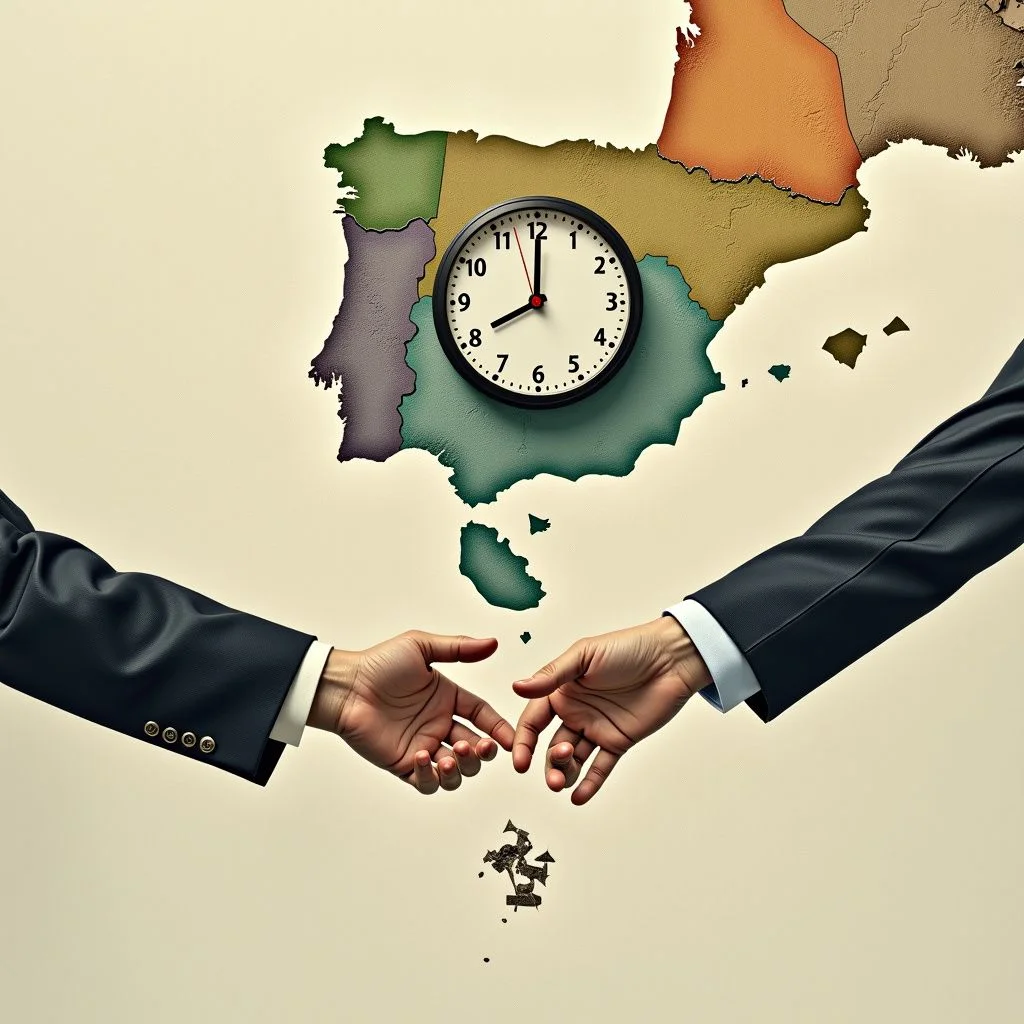
The 28th of November marked the thirtieth anniversary of the beginning of the Euro-Mediterranean Association, later known as the Barcelona Process. In 1995, its 27 members – the then 15 members of the European Union (EU) along with Algeria, Cyprus, Egypt, Israel, Jordan, Lebanon, Malta, Morocco, Syria, Tunisia, Turkey, and the Palestinian National Authority – hoped that a new and promising era in relations between both shores of the Mediterranean was opening up. However, today that regional framework occupies a marginal place in the agenda of its members.
The idea of a Euro-Mediterranean association is necessary and advisable, but without a strong political will and a strategic vision, it is impossible to make progress. Measured in terms of its own objectives, the balance of the Barcelona Process is unsatisfactory, despite being the only international framework where Palestinians and Israelis sit on an equal footing.
The main objective of the Union for the Mediterranean (UfM), which replaced the Barcelona Process in 2008, was to create a shared space of peace and prosperity. However, the current situation in the southern and eastern shores of the Mediterranean is far from this ideal. In terms of peace, the region faces multiple conflicts. Israel is carrying out a genocide in Gaza and daily abuses the rights of the inhabitants of the West Bank. Violence has also spread to Lebanon and Syria, with Israeli forces violating ceasefire agreements and the national sovereignty of their neighbors. Additionally, the tensions between Morocco and Algeria, engaged in a competition for leadership in the Maghreb, and the instability in Libya, which is not a UfM member, add to the complexity of the region.
In terms of well-being and prosperity, leaving aside the 27 EU members, the Euro-Mediterranean space is one of the regions with the greatest income disparities on the planet. The discontent of the populations in the south triggered in 2011 a wave of citizen mobilizations known as the “Arab Spring”, which raised hopes of change that, unfortunately, have been frustrated. The social, political, and economic reasons that caused those movements have not disappeared, and the impossibility of developing a dignified life explains to a large extent the migratory impulse towards the EU, which increasingly opts for repressive measures and reinforces the image of “Fortress Europe”, contrary to its own values and principles.
The situation is not the exclusive responsibility of the Twenty-Seven. The governments of the Maghreb countries and the Middle East also have the responsibility of meeting the basic needs of their populations, respecting their fundamental rights, and promoting genuinely representative and democratic political systems. However, a review of the three “baskets” of cooperation of the Barcelona Process reveals an image of insufficiency.
In the field of political and security cooperation, it has never been possible to establish the regular celebration of summits between heads of state and government as a framework for approaching positions on potential tensions. The role of the Barcelona Process in resolving the Israeli-Palestinian conflict has been irrelevant, and in the context of the “Arab Spring”, the EU has not been on the side of the populations that demanded freedom, dignity, and work. Instead, it has opted for confessed coup plotters in defense of a misunderstood stability that condemns democracy to the world of unfulfilled dreams.
In terms of economic and financial cooperation, the idea of a Euro-Mediterranean free trade zone is an empty invocation. The EU remains the main commercial partner of most of its Mediterranean neighbors, but it has not used that position to promote reforms in countries that are poorly competitive or to integrate them into the community dynamic. Financing has been insufficient to overcome the resistance to change of many entrenched governments.
Lastly, in the chapter of social, cultural, and human cooperation, the stereotypes have not been eradicated. The anti-Western sentiment increases in many cases, especially with the inaction of the Twenty-Seven in the face of the Israeli genocide in Gaza. The negative perception of immigrants arriving on community soil is being exploited by populist movements that feed an ultranationalist instinct that perceives the newcomer as a threat.
In the face of this lack of results, it might seem that the best option is to forget about the Barcelona Process and opt for fortifying oneself against a hostile neighborhood. However, that would be a grave error. In a world as interdependent as ours, it is impossible to create an impregnable fortress. Furthermore, there is no future for the EU without incorporating the rest of the Mediterranean countries into its dynamic. The idea of the Euro-Mediterranean association remains necessary and advisable, but without a strong political will and a strategic vision, it is impossible to make progress.
Last November 28, the thirtieth anniversary of the start of the Euro-Mediterranean Association was commemorated, known later as the Barcelona Process. In 1995, its 27 members – the then 15 of the European Union (EU) along with Algeria, Cyprus, Egypt, Israel, Jordan, Lebanon, Malta, Morocco, Syria, Tunisia, and Turkey, and the Palestinian National Authority – hoped that a new and promising stage in relations between both shores of the Mediterranean was opening. However, today that regional scheme occupies a marginal place in the agenda of its members.
The idea of a Euro-Mediterranean association is necessary and advisable, but without a strong political will and a strategic vision, it is not possible to advance. Measured in terms of its own objectives, the balance of the Barcelona Process is unsatisfactory, despite being the only international framework where Palestinians and Israelis sit on an equal footing.
El fracaso del Barcelona Process
El objetivo central de la Unión para el Mediterráneo (UfM), que reemplazó al proceso de Barcelona en 2008, era crear un espacio de paz y prosperidad compartidas. Sin embargo, la situación actual en las costas sur y este del Mediterráneo está lejos de este ideal. En términos de paz, la región enfrenta múltiples conflictos. Israel está llevando a cabo un genocidio en Gaza y abusa diariamente de los derechos de los habitantes de la Cuenca Occidental. La violencia también se ha extendido a Líbano y Siria, con las fuerzas israelíes violando acuerdos de cese al fuego y la soberanía nacional de sus vecinos. Además, las tensiones entre Marruecos y Argelia, comprometidos en una competencia por el liderazgo en el Magreb, y la inestabilidad en Líbano, que no es miembro de la UfM, añaden a la complejidad de la región.
En términos de bienestar y prosperidad, dejando de lado a los 27 miembros de la UE, el espacio euro-mediterráneo es uno de las regiones con las mayores brechas de desigualdad en el planeta. El descontento de las poblaciones del sur desencadenado en 2011 una oleada de movilizaciones ciudadanas conocidas como la “Primavera Árabe”, que levantó expectativas de cambio que, desafortunadamente, han sido frustradas. Las razones sociales, políticas y económicas que desencadenaron esos movimientos no han desaparecido, y la imposibilidad de desarrollar una vida digna explica en gran medida el impulso migratorio hacia la UE, que cada vez opta por medidas represivas y refuerza la imagen de la “Europa Fortaleza”, en contra de sus propios valores y principios.
La responsabilidad compartida
La situación no es la responsabilidad exclusiva de los Veintisiete. Los gobiernos de los países del Magreb y Oriente Medio también tienen la responsabilidad de satisfacer las necesidades básicas de sus poblaciones, respetar sus derechos fundamentales y promover sistemas políticos auténticamente representativos y democráticos. Sin embargo, una revisión de las tres “cestas” de cooperación del proceso de Barcelona revela una imagen de insuficiencia.
En el campo de la cooperación política y de seguridad, nunca ha sido posible establecer la celebración regular de cumbres entre jefes de Estado y de gobierno como un marco para acercar posiciones sobre posibles tensiones. El papel del proceso de Barcelona en la resolución del conflicto israelí-palestino ha sido irrelevante, y en el contexto de la “Primavera Árabe”, la UE no ha estado del lado de las poblaciones que demandaban libertad, dignidad y trabajo. En su lugar, ha optado por golpistas confesos en defensa de una estabilidad mal entendida que condena la democracia al mundo de los sueños no cumplidos.
La necesidad de un cambio
En términos de cooperación económica y financiera, la idea de una zona euro-mediterránea de libre comercio es una invocación vacía de contenido. La UE sigue siendo el principal socio comercial de la mayoría de sus vecinos mediterráneos, pero no ha utilizado esa posición para promover reformas en países que son poco competitivos o para integrarlos en la dinámica comunitaria. El financiamiento ha sido insuficiente para superar la resistencia al cambio de muchos gobernantes anclados en modelos obsoletos.
La necesidad de un cambio
En el capítulo de la cooperación social, cultural y humana, los estereotipos no han sido erradicados. El sentimiento antioccidental aumenta en muchos casos, especialmente con la inacción de los Veintisiete frente al genocidio israelí en Gaza. La percepción negativa de los inmigrantes que llegan a la comunidad se está aprovechando de los movimientos populistas que alimentan un instinto ultranacionalista que percibe al que llega como una amenaza.
La necesidad de un cambio
Enfrentados a esta falta de resultados, podría parecer que lo mejor es olvidarse del proceso de Barcelona y optar por encastillarse frente a un vecindario hostil. Sin embargo, eso sería un error grave. En un mundo tan interdependiente, es imposible crear una fortaleza impenetrable. Además, no hay futuro para la UE sin incorporar a los demás países mediterráneos en sus dinámicas. La idea de la asociación euro-mediterránea sigue siendo necesaria y aconsejable, pero sin una voluntad política fuerte y una visión estratégica, no es posible avanzar.