Ghana’s democratic trajectory under the Fourth Republic has been marked by significant achievements and persistent challenges. While the country has earned high marks in international democracy indices, this success is largely attributed to the strength of its liberal institutions rather than deeply ingrained electoral democratic norms.
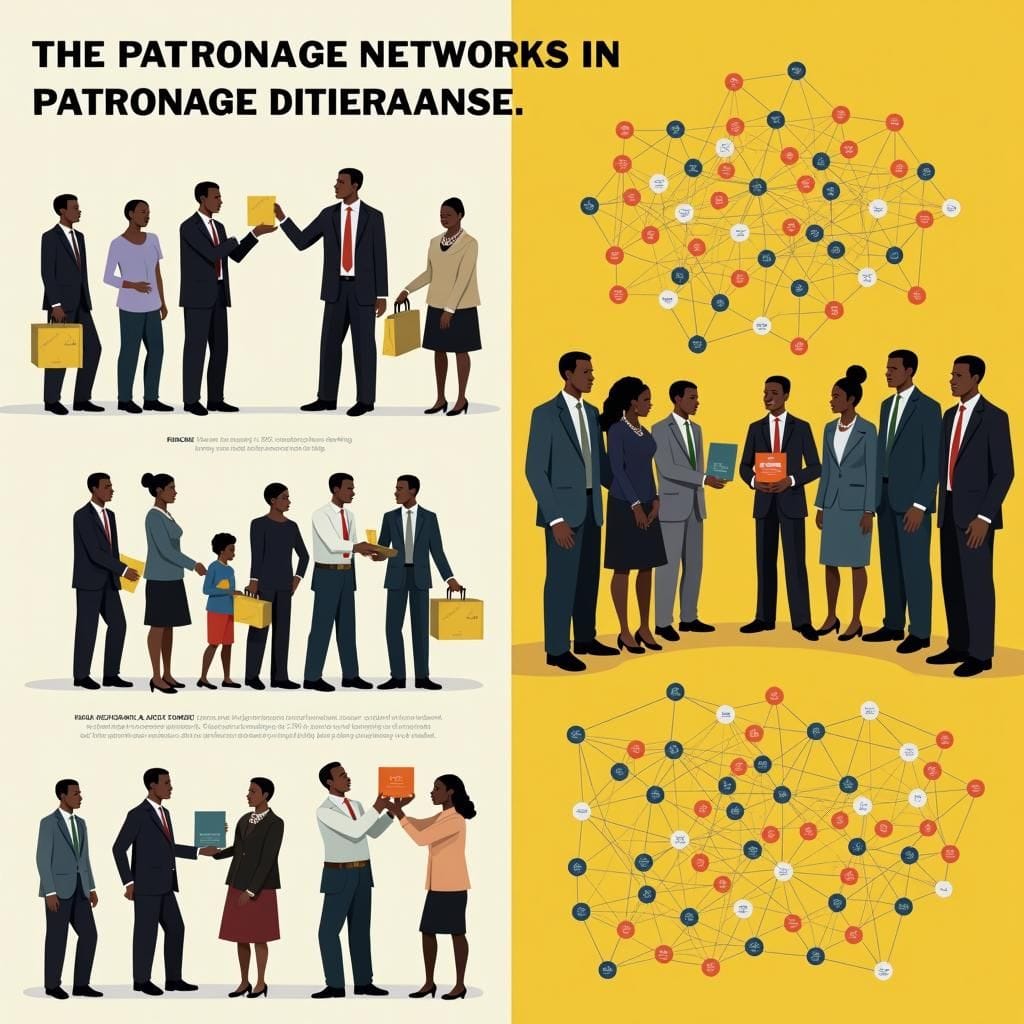
Regular multiparty elections are a hallmark of Ghana’s political landscape, but these elections often coexist with undemocratic practices employed by political elites. Dominant parties frequently operate as patronage networks rather than as democratic organizations, which undermines their role as institutions of democratic accountability.
Party membership and activism in Ghana are often driven by patronage rather than by policy commitments. This dynamic weakens the parties’ ability to serve as effective agents of democratic accountability.
The reliance on patronage systems means that political parties are more concerned with distributing resources and favors to their supporters than with promoting policy agendas that benefit the broader population. This approach not only erodes public trust in political institutions but also undermines the democratic process by prioritizing personal gain over collective good.
At the population level, while most Ghanaians express support for democracy, survey evidence reveals a weak commitment to core liberal principles.
A significant minority of the population approves of authoritarian policies, such as restrictions on the media or non-electoral leadership selection. These attitudes reflect a deeper vulnerability in both elite and citizen support for democratic values.
The approval of authoritarian measures indicates a potential willingness among some segments of the population to accept undemocratic practices, which poses a threat to the long-term stability of Ghana’s democratic system.
To safeguard democratic resilience, several reforms are essential.
Strengthening party finance regulation is crucial to reduce the influence of patronage networks and ensure that political parties are funded transparently and equitably.
Promoting internal party democracy can help shift the focus from patronage to policy, making parties more responsive to the needs and aspirations of their constituents.
Additionally, deepening civic engagement and liberal norms can foster a more robust democratic culture, where citizens are actively involved in the political process and committed to democratic principles.
The vulnerabilities in Ghana’s democratic system are multifaceted.
At the elite level, the reliance on undemocratic practices and the operation of parties as patronage networks undermine the effectiveness of democratic institutions.
At the citizen level, weak commitment to liberal principles and approval of authoritarian policies indicate a fragile foundation for democratic values.
These challenges highlight the need for comprehensive reforms that address both structural and cultural aspects of democracy.
Strengthening party finance regulation involves implementing transparent and accountable mechanisms for funding political parties.
This can help reduce the influence of wealthy individuals and special interest groups, ensuring that political parties are more responsive to the needs of the broader population.
By promoting internal party democracy, political parties can become more inclusive and representative, fostering a culture of accountability and transparency within their ranks.
This can be achieved through measures such as open primaries, regular internal elections, and the establishment of independent oversight bodies.
Deepening civic engagement and liberal norms is essential for building a strong democratic culture.
This can be accomplished through education, public awareness campaigns, and the promotion of civic organizations that advocate for democratic values.
By encouraging active participation in the political process, citizens can become more informed and engaged, leading to a more robust and resilient democracy.
Civic engagement can also help bridge the gap between political elites and the general population, fostering a sense of shared responsibility for the democratic process.
The resilience of Ghana’s democracy under the Fourth Republic is a testament to the strength of its liberal institutions.
However, the challenges posed by undemocratic practices, weak commitment to liberal principles, and the influence of patronage networks highlight the need for comprehensive reforms.
By strengthening party finance regulation, promoting internal party democracy, and deepening civic engagement and liberal norms, Ghana can enhance its democratic resilience and ensure a more stable and inclusive political system.
Addressing these challenges requires a concerted effort from both political elites and citizens, working together to build a stronger and more resilient democracy.