
China: Resilient Growth, Permanent Challenges
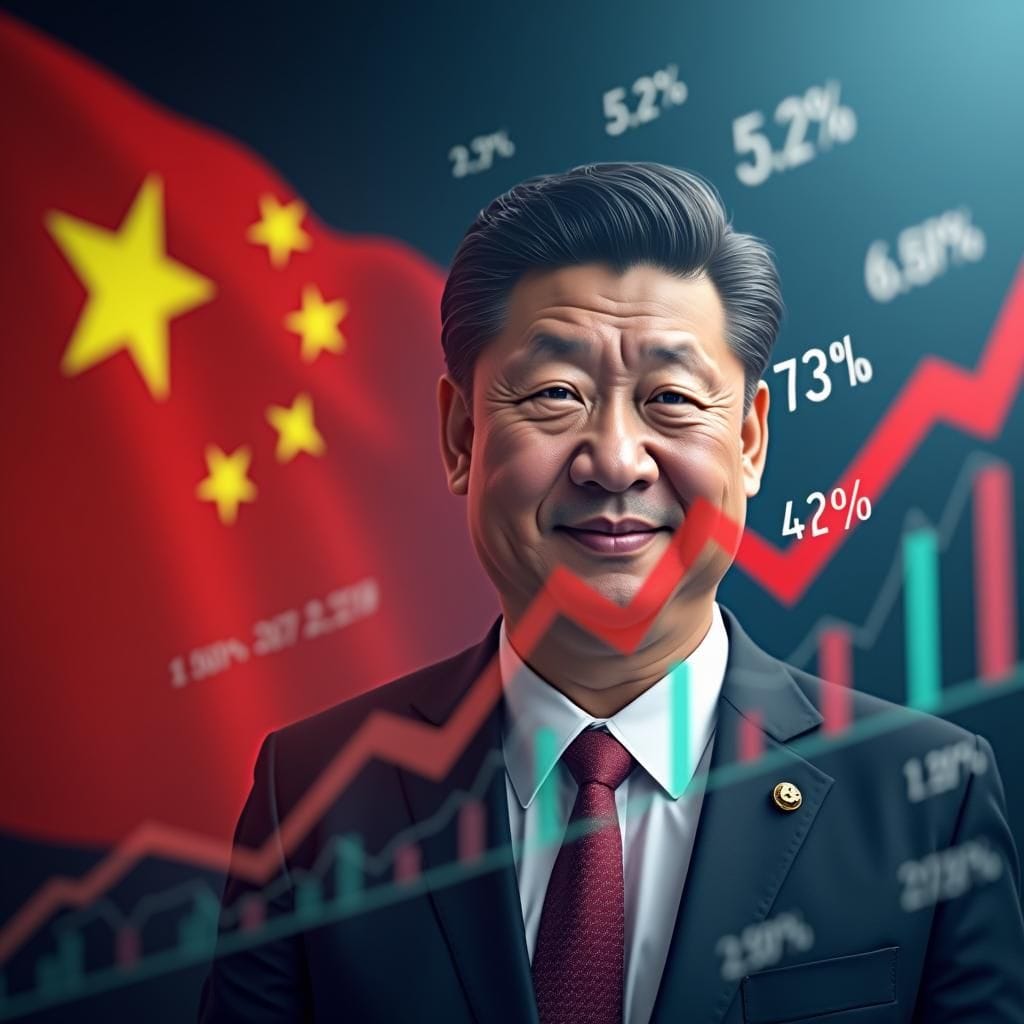
The Chinese economy grew by 5.2% in the second quarter of 2025. Despite signs of weakness, the government remains cautious with stimulus measures to meet its annual target. Industrial stagnation is offset by sectors such as services and agriculture. Rising risks and spending control measures suggest caution. The real estate crisis and international commercial uncertainty affect the economic outlook.
Central Asia: Regional Awakening, Global Attention
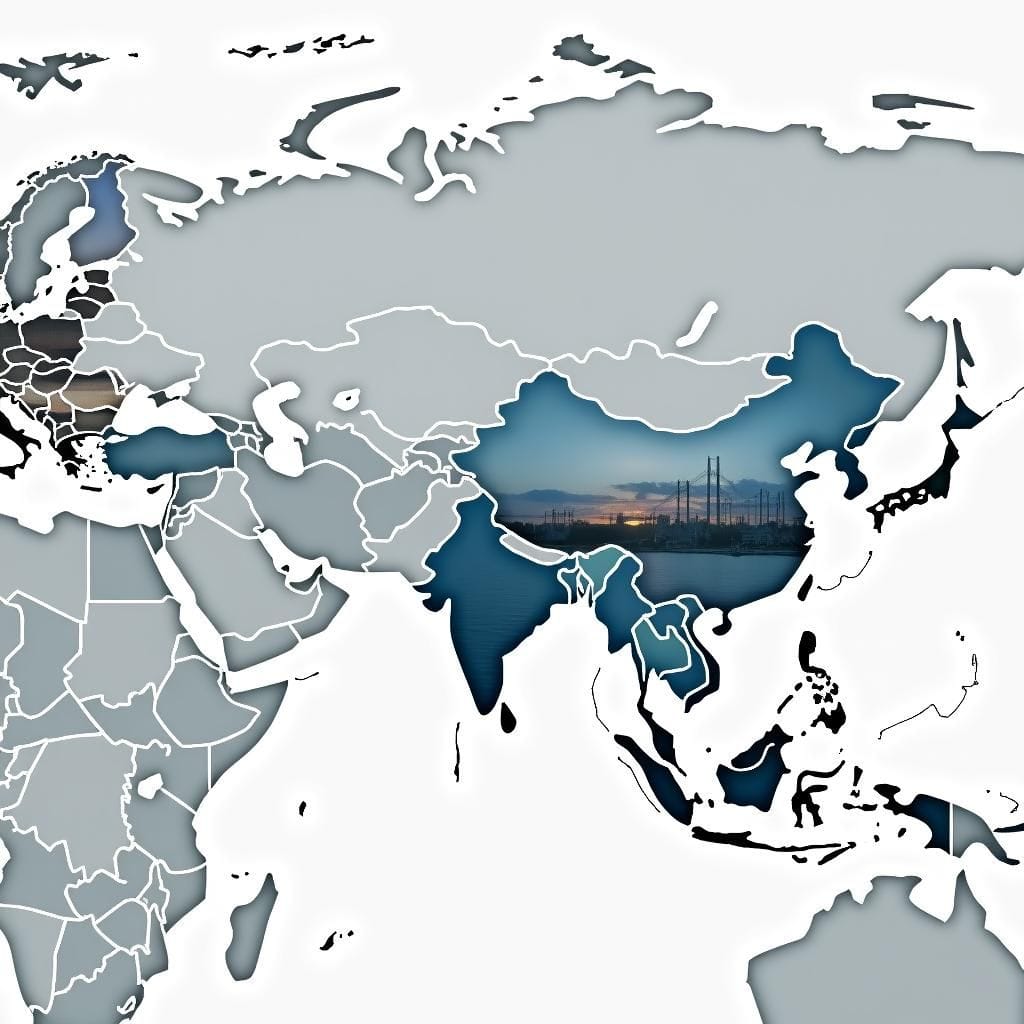
The diplomatic awakening in Central Asia attracts global attention due to the war in Ukraine and Chinese and Russian initiatives. The EU and other powers consider 2025 as a crucial year for the region, with recent summits in Samarkand and Astana. Europe seeks new energy alliances and investment, although the region expects concrete actions.
Empowering Education with AI

The use of Artificial Intelligence (AI) in education is on the rise, with a market valued at $7 billion in 2025. It is expected to grow by 36% annually over the next decade. Responsible integration of AI is crucial to benefit students and teachers, although poor implementation can hinder learning. Key principles include transparency, accountability, and equity.
Electric Batteries: Chemistry Guided by China. What’s Next?
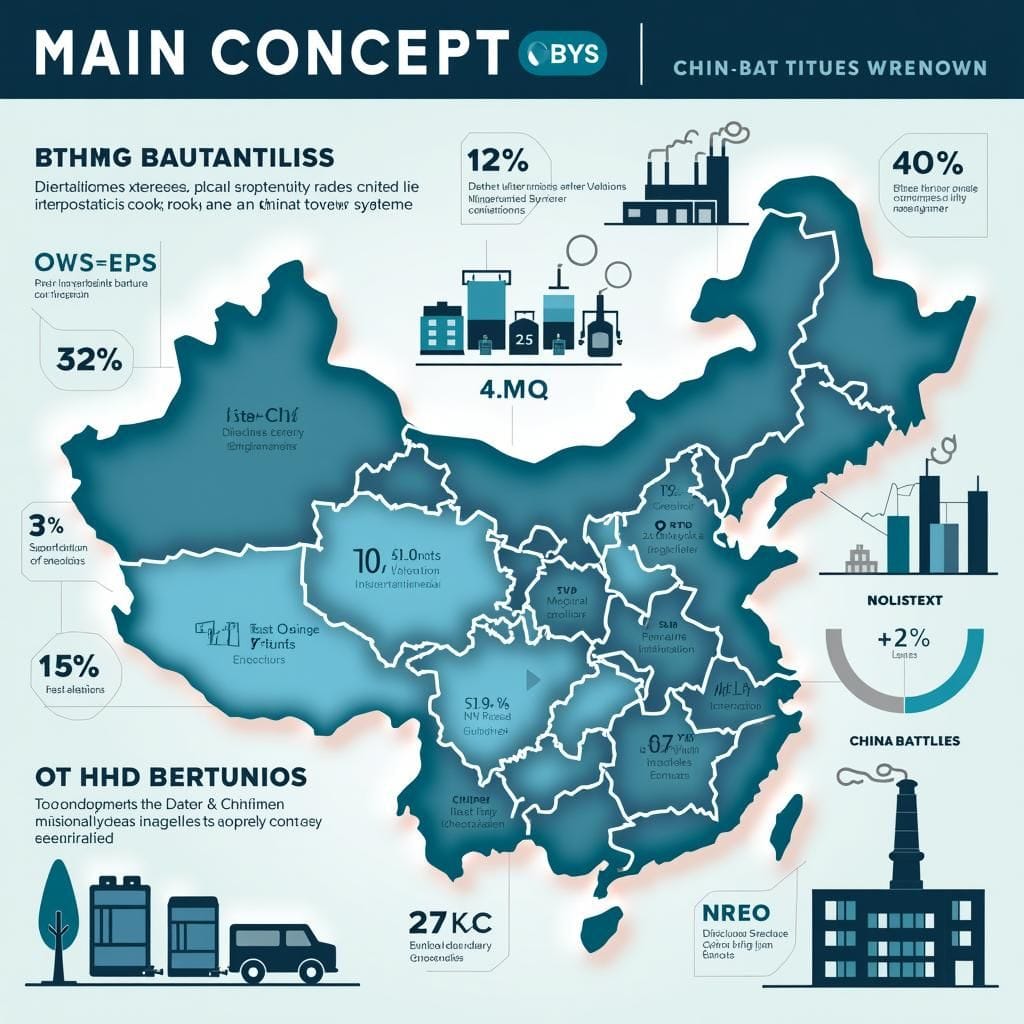
The competition between LFP and NMC batteries in China focuses on innovation for energy transition. Chinese manufacturers like CATL and BYD lead the adoption of LFP batteries, while NMC faces challenges in cost and sustainability.
Brazil 2025: Great Goals, Challenges to Overcome
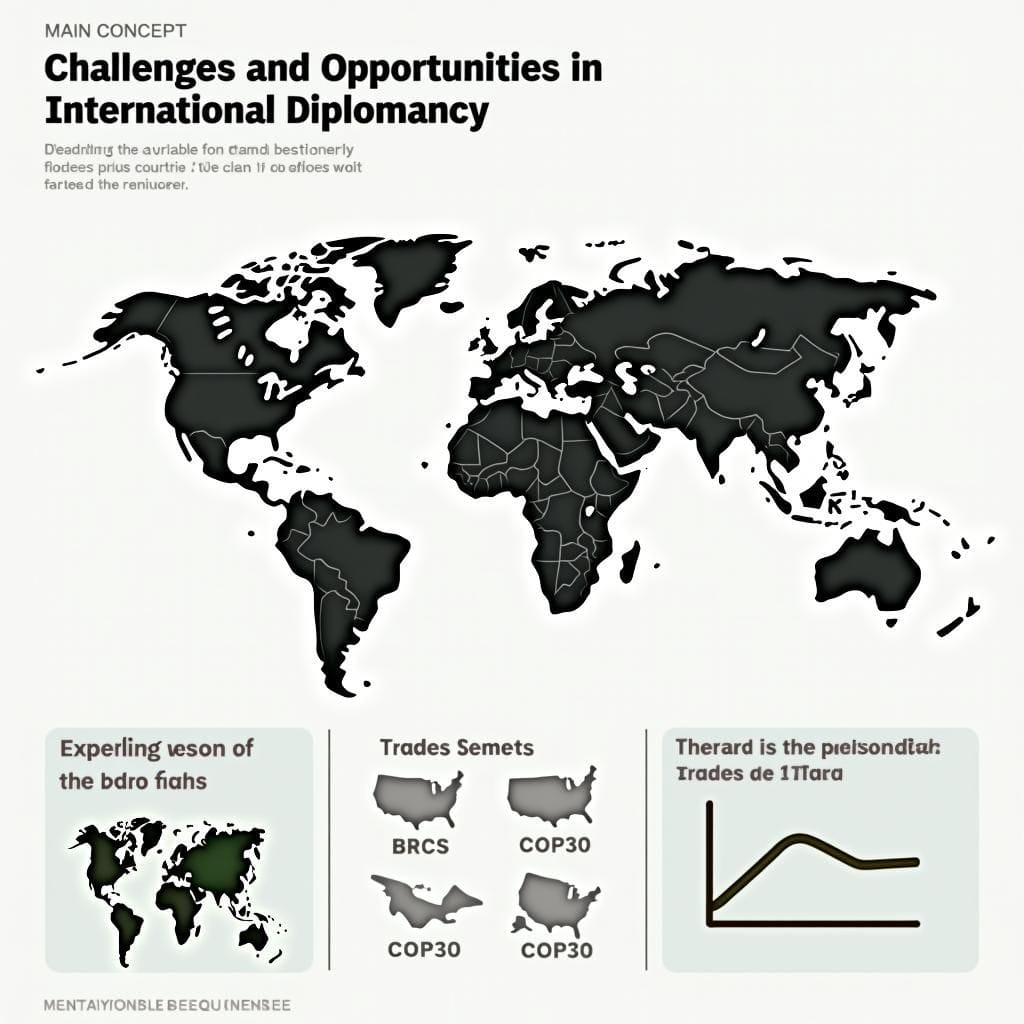
In 2025, Brazil, led by Lula, faces challenges in the BRICS and pressure from the U.S. over tariffs. Deforestation and environmental diplomacy strain its international commitment. The COP30 in Belém will be crucial for its global image.