
The Costs of the US Withdrawal from UNESCO
The U.S. withdrawal from UNESCO means losing the opportunity to participate in global conversations on education, culture, and science, as well as collaborating on peaceful solutions to global challenges. UNESCO promotes international cooperation in these fields and its membership has benefited the U.S. in terms of security, artificial intelligence, educational planning, data, and world peace.
How Aggressive AI Chip Export Bans to China Could Backfire
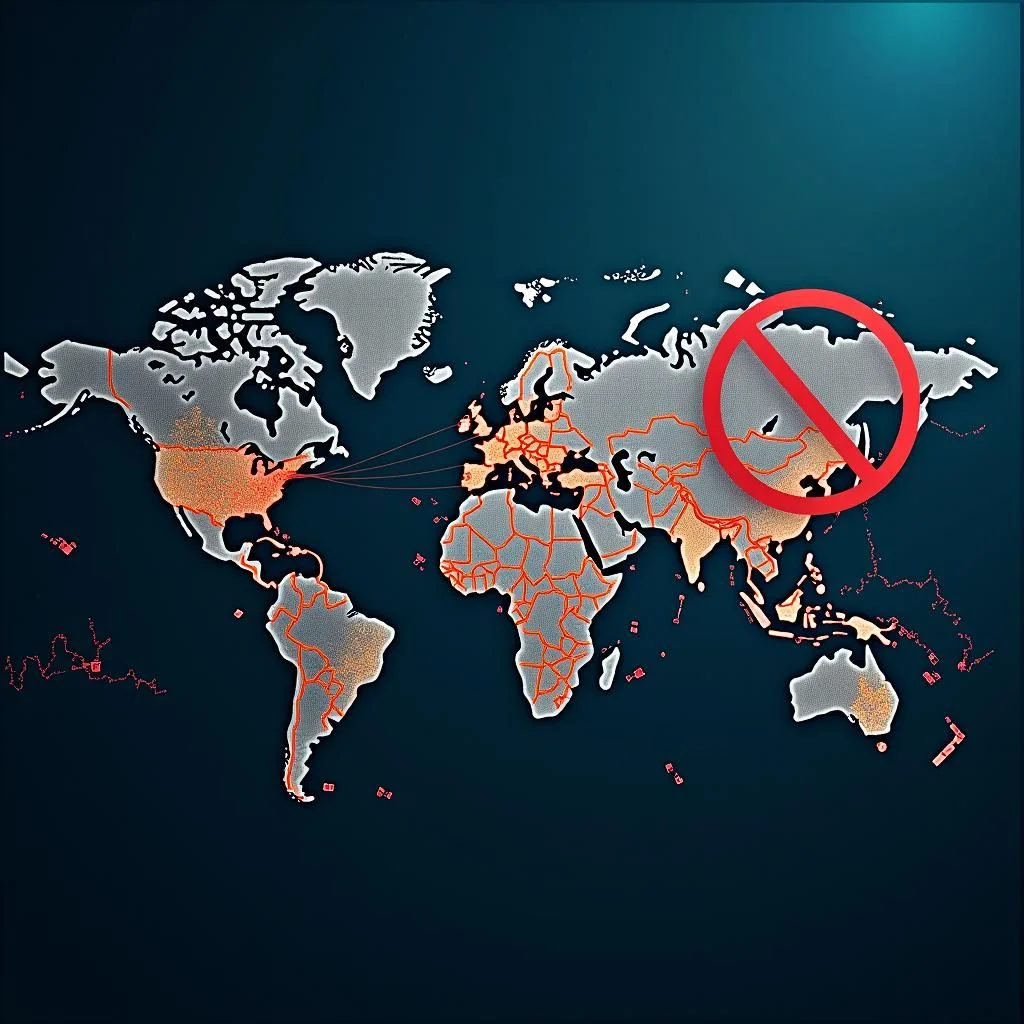
Aggressive barriers to exporting AI chips to China could strengthen its own development and weaken US leadership in this area. Shifting policies and uncertainty over chip sales, such as Nvidia’s H100, could empower Chinese companies like Huawei and affect the US.
Transatlantic Rent-Seeking in the Face of Energy Insecurity and Geopolitical Crises
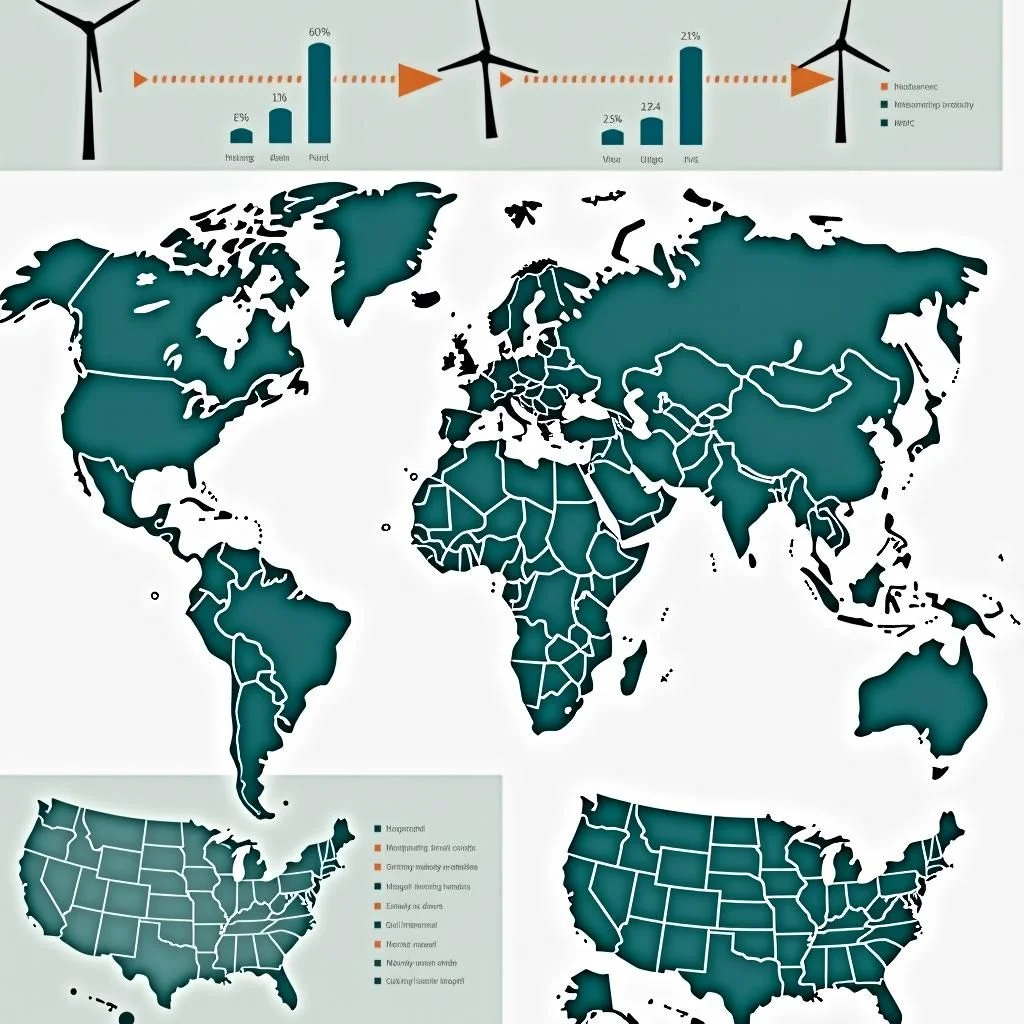
The new EU-US trade agreement imposes tariffs on European exports and requires energy investments and purchases. European dependence on the US could increase, generating economic instability and undermining strategic autonomy, favorable to China.
Taiwans Path Forward: Seeking Political Balance After Major Recalls
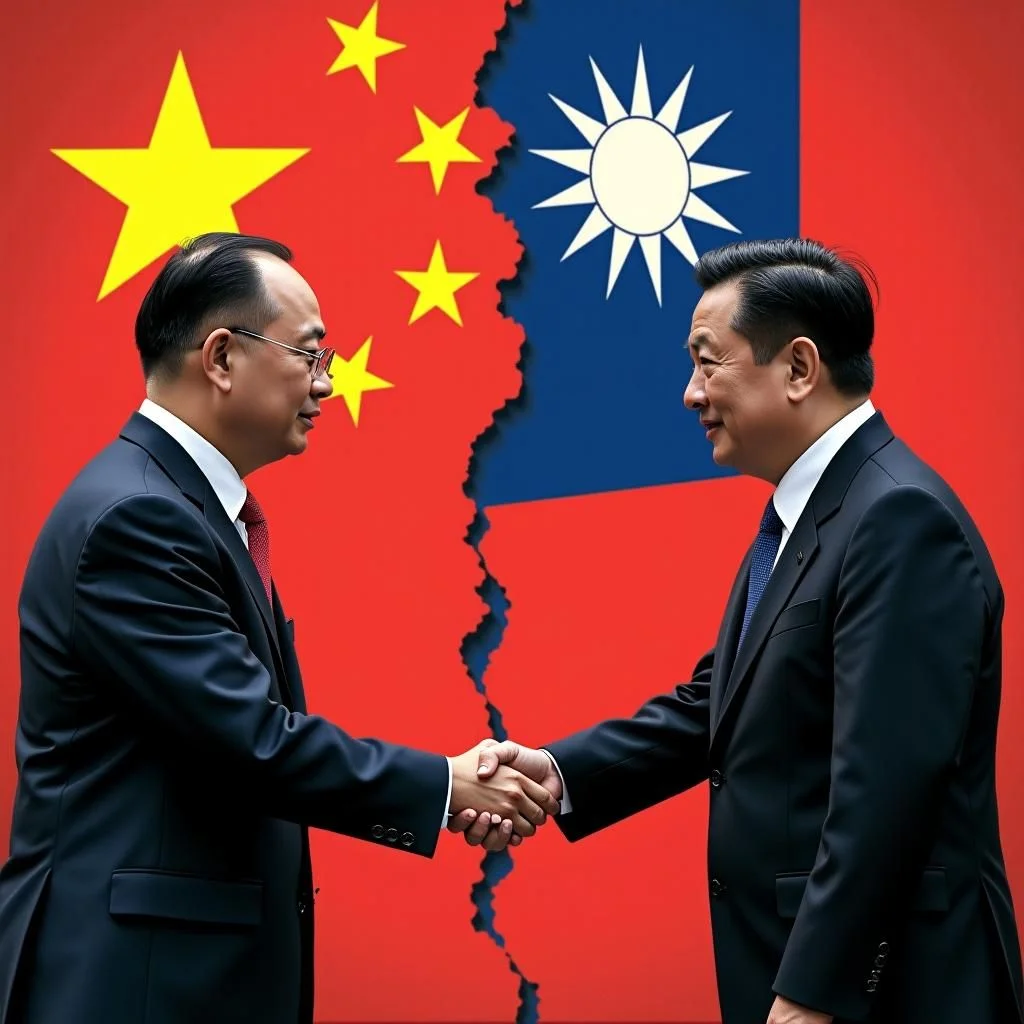
Resignations continue in Taiwan with a divided government. After ambiguous elections, Kuzomintang and DPP seek to cooperate on key policies and negotiate.
5 Bipartisan Consensus Keys to Regulate AI
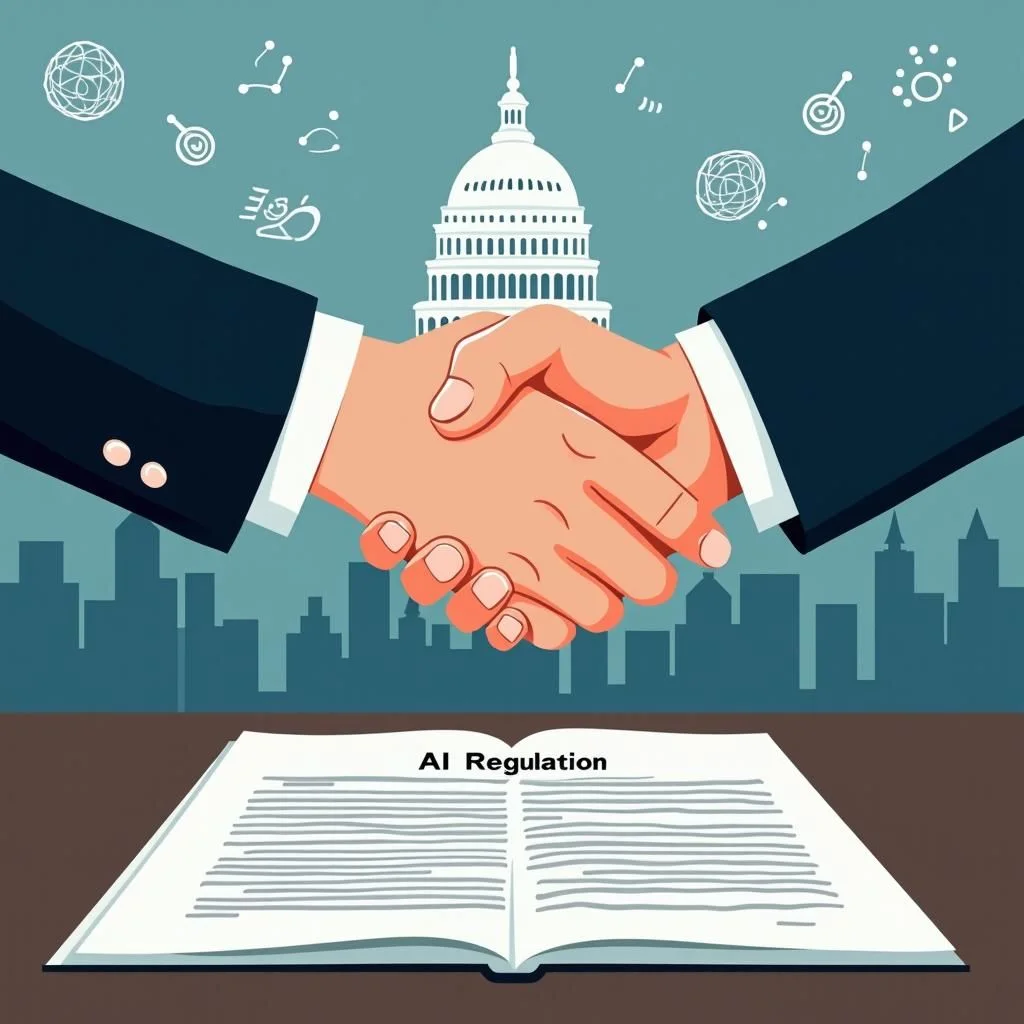
The Trump and Biden administrations have agreed on five key points regarding the regulation of artificial intelligence (AI), recognizing the need to regulate its use and acquisition by the federal government. The points include the identification of high-impact AI systems, the creation of governance and reporting structures, the prohibition of use without active protections, minimum practices for these systems, and transparency in their use.