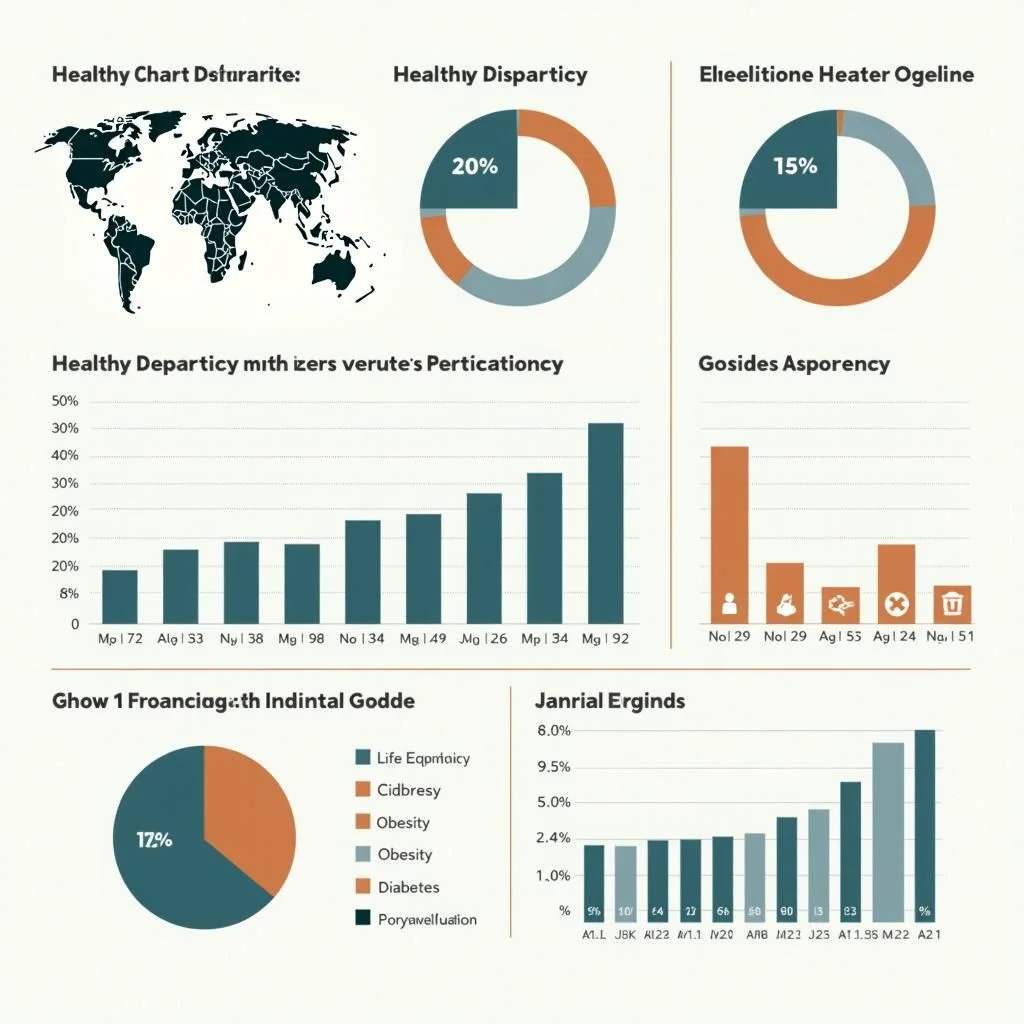
Because health is a human right, every effort to improve the health of the population of metropolitan New Orleans must be pursued. A healthy population also enhances the region’s capacity for resilience. In 2005, when Hurricane Katrina and the failure of the federal levees devastated the region, Louisiana was ranked 49th out of 50 states in national health rankings. By 2024, Louisiana had fallen to the unhealthiest state in the nation.
The health profile of the residents of the New Orleans metropolitan area typically falls in the middle compared to other parishes in Louisiana. In 2005, for example, men in Orleans Parish had an average life expectancy of 65.9 years, while women had an average life expectancy of 74.6 years. In comparison, the average life expectancy for men in Louisiana was 70.8 years, and for women, it was 76.9 years. Prior to the COVID-19 pandemic, life expectancy was increasing. In 2019, life expectancy in Louisiana was 76.1 years, and in Orleans Parish, it was 77 years. However, based on the most recent data, life expectancy has decreased to 73 years.
Despite the consequences of the COVID-19 pandemic, some health outcomes have improved over time for residents in the New Orleans metropolitan region. Overall mortality rates and infant mortality rates have decreased. However, there is variability within the region. In Orleans Parish, which includes the city of New Orleans, 12.4 percent of babies are born with low birthweight. In contrast, fewer babies are born with low birthweights in Jefferson Parish, south and west of the city, at 10.1 percent, and in St. Tammany Parish, north of the city on the shores of Lake Pontchartrain, at 8.5 percent.
Deaths from heart disease, cancer, and HIV have decreased over time in metropolitan New Orleans, aligning with national trends. In 2006, there were 193 new cases of HIV in the New Orleans metropolitan area. By 2022, this number had decreased to 125 new HIV diagnoses in Orleans Parish. However, opioid overdose deaths and deaths by suicide have increased over time among the residents of the region, similar to U.S. trends overall. Rates of diabetes, obesity, and frequent mental distress have also increased over time in New Orleans.
Addressing the Root Causes of Health Inequities
While there have been some improvements to the health of the regional population in the years since Hurricane Katrina, addressing the root causes of the health profile of metropolitan New Orleans is crucial. The social determinants of health are defined as “the conditions in which people are born, grow, live, work and age, and people’s access to power, money, and resources,” according to the World Health Organization. To improve the health of the population in the New Orleans metropolitan area and to increase its residents’ capacity for resilience, it is essential to improve and close inequities in the social determinants of health in the region.
Recommendations
Among the recommendations are:
- Continue to create formal positions and efforts within public health institutions dedicated to building health as a capacity for resilience.
- Continue to identify and recruit community-based organizations currently conducting work to overcome negative social determinants of health.
- Prioritize preparation for negative shocks to the region for low-income residents, those with disabilities, the elderly, and people with chronic conditions.
Policymakers and community leaders can advocate for support of these and other efforts with sustainable funding to establish community-driven and culturally rooted efforts to create stronger health-resilience capacities that can serve as a model for the rest of the United States.
Conclusion
This report is part of a series examining the New Orleans metro area across key policy areas including housing, community safety, and flood adaptation. The series provides local leaders with tools to mitigate future disaster risks for the most vulnerable communities.