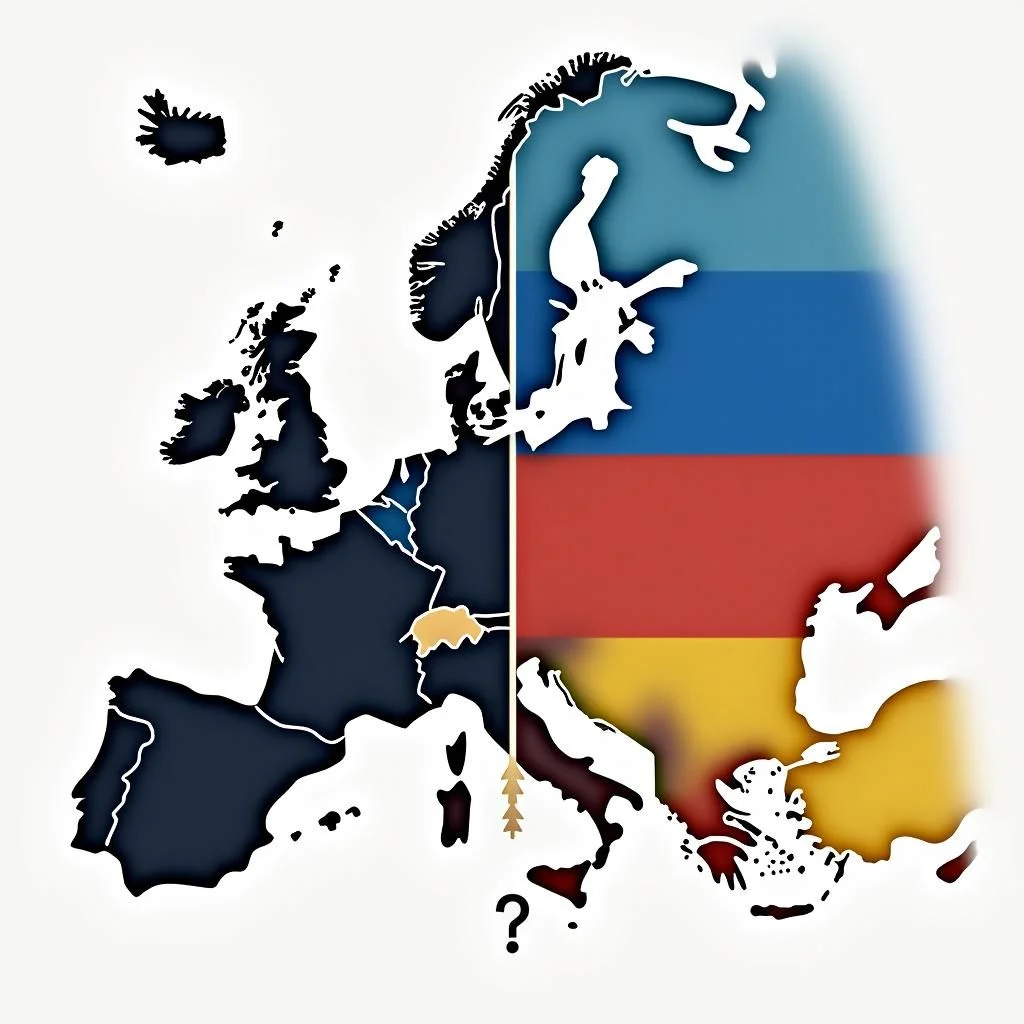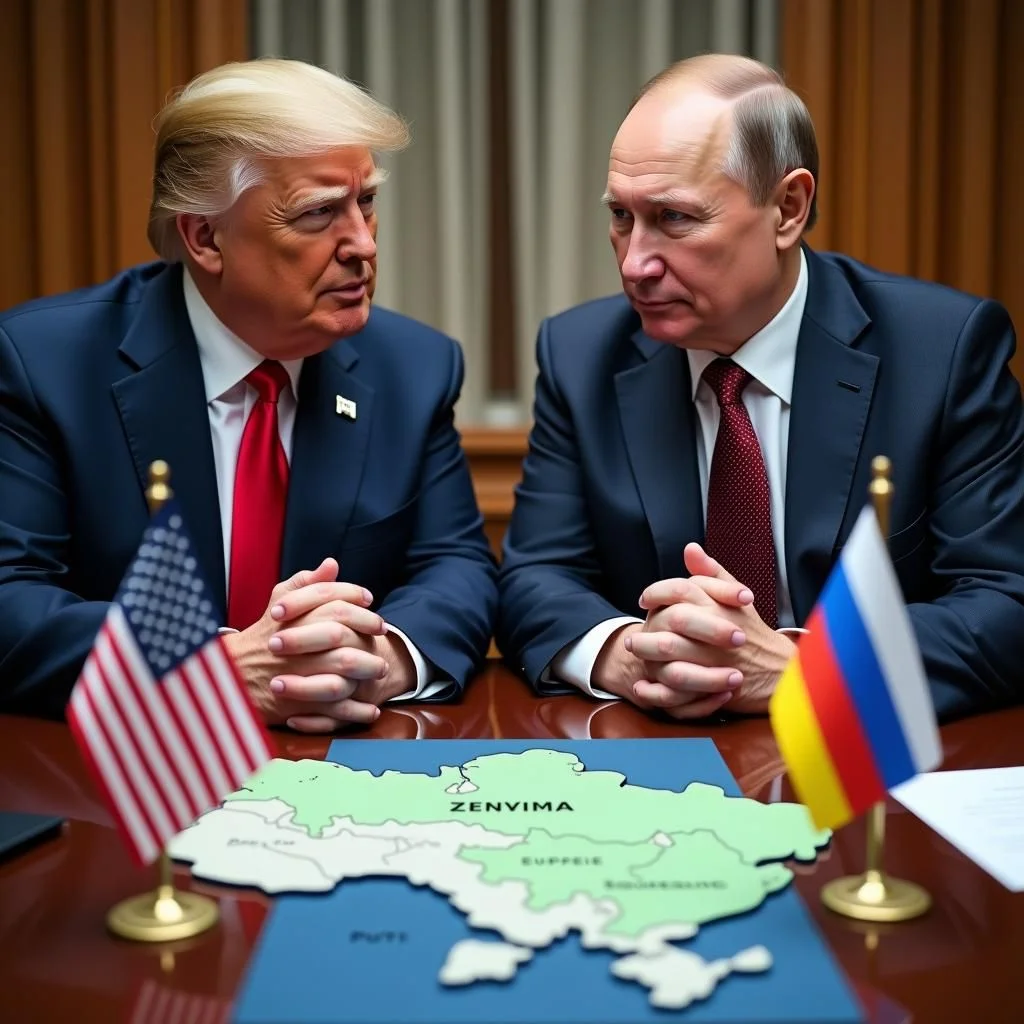
Durante el super-vertice con aliados en Washington, Trump mostró un frente euro-atlantico unido sobre Ucrania y anunció la posibilidad de una reunión entre Zelensky y Putin. Sin embargo, a pesar del clima positivo y relajado de las reuniones, siguen divergencias y incertidumbres significativas. El 18 de agosto del 2025 se consideró un día positivo para Ucrania, pero todavía es difícil imaginar un fin inminente del conflicto. El cumbre en la Casa Blanca vio la participación del presidente estadounidense Donald Trump, el presidente ucraniano Volodymyr Zelensky y varios líderes europeos. El principal resultado de la cumbre fue un acuerdo general sobre una futura reunión bilateral entre Zelensky y el presidente ruso Vladimir Putin, a la que podría asistir también Trump. Esta reunión podría tener lugar en Ginebra, Suiza, en los próximos días o semanas. Moscú ha declarado que no rechazará ningún tipo de reunión sobre Ucrania, bilateral o trilateral.
Reacciones de la prensa internacional
La prensa internacional destacó el clima positivo de las reuniones, especialmente la entre Trump y Zelensky, que representó un mejoramiento en comparación con la humillación pública sufrida por Zelensky en el Salón Oval en febrero. Los socios europeos demostraron una clara, aunque insólita, unidad política, pero siguen habiendo divergencias sobre las futuras dinámicas ucranianas. Las incertidumbres persisten en espera de la respuesta de Moscú. Trump expresó la esperanza de que Putin se comportara bien, pero también subrayó la necesidad de flexibilidad por parte de Zelensky. Líderes europeos como el presidente francés Emmanuel Macron, la primera ministra italiana Giorgia Meloni, el primer ministro británico Keir Starmer, y los líderes de la UE y la OTAN Ursula von der Leyen y Mark Rutte buscaron motivar a Trump a alinearse con Ucrania, después de que el vertice con Putin en Alaska hubiera acercado las posiciones americanas a las rusas.
La hipótesis de un alto el fuego como condición previa para las negociaciones de paz fue definitivamente archivada, como había sido auspiciado por el Kremlin. El ministro de Asuntos Exteriores ruso Sergej Lavrov declaró que Estados Unidos y su equipo deseaban lograr un resultado a largo plazo, estable y confiable, en lugar de los europeos que seguirían suministrando armas a Ucrania incluso después de un alto el fuego. Trump declaró que el alto el fuego no era necesario, subrayando que las partes en conflicto temían que una tregua les diera a los demás el tiempo de reforzar sus posiciones en el campo.
Los informes de la prensa estadounidense e internacional destacaron los elementos de color del vertice, como el completo negro que llevaba Zelensky sin corbata, símbolo de paz futura, y los elogios de Trump a los diversos líderes europeos. Sin embargo, algunos medios criticaron estos aspectos, definiendo el vertice como una “lección magistral de diplomacia” pero con el objetivo de blandir a Trump. Los socios europeos comprendieron que el único modo de manejar a Trump sin provocar incidentes era de blandirlo y complacerlo, dejando espacio a la humor y la ligereza. Por ejemplo, Zelensky entregó a Trump una carta de su esposa Olena Zelenska para Melania Trump y le donó a Trump una mazza de golf especial entregada por un soldado ucraniano herido en combate.
El vertice mostró una forma espléndida pero poca sustancia. Los líderes presentes evitaron discutir cuestiones específicas que podrían haber roto la jornada. Algunos líderes europeos, como Macron, habrían preferido que la tregua como condición previa para tratar la paz siguiera siendo una opción. Se habló de la necesidad de brindar a Ucrania garantías de seguridad después de un eventual acuerdo de paz. Trump sugirió que Estados Unidos podría tutelar la seguridad de Ucrania a través del apoyo aéreo. Algunos aliados europeos, Italia en cabeza, presionan por brindar garantías en el modelo del Artículo 5 de la OTAN, sin la adhesión formal de Kiev a la Alianza atlántica. Queda por ver si Putin aceptaría a Ucrania con el estatus de miembro de facto de la OTAN o la hipótesis de desplegar fuerzas internacionales para mantener la paz con el coordinamiento americano.
El tema del “intercambio de territorios” se tocó solo en parte durante el vertice, a pesar de ser un tema central en las discusiones preliminares. Trump mostró una mapa de Ucrania a favor de las cámaras y luego se lo regaló a Zelensky. En conclusión, el super-vertice en la Casa Blanca fue un momento positivo, pero la ruta hacia la paz sigue siendo decididamente en ascenso.
International press has highlighted the positive atmosphere of the meetings, particularly that between Trump and Zelensky, which represented an improvement compared to the public humiliation suffered by Zelensky in the Oval Office in February. European partners have shown a clear, albeit unusual, political unity, but continue to have divergences on future Ukrainian dynamics. Uncertainties persist in waiting for Moscow’s response. Trump expressed the hope that Putin would behave well, but also emphasized the need for flexibility from Zelensky.
European leaders’ efforts to motivate Trump
European leaders such as French President Emmanuel Macron, Italian Prime Minister Giorgia Meloni, British Prime Minister Keir Starmer, and EU and NATO leaders Ursula von der Leyen and Mark Rutte have tried to motivate Trump to take the side of Ukraine, after the summit with Putin in Alaska had brought American positions closer to those of Russia.
The hypothesis of a ceasefire as a precondition for peace negotiations has been definitively archived, as desired by the Kremlin. Russian Foreign Minister Sergey Lavrov stated that the United States and their team want to achieve a long-term, stable, and reliable result, unlike Europeans who would continue to provide arms to Ukraine even after a ceasefire. Trump stated that a ceasefire is not necessary, highlighting that the conflicting parties fear that a truce would give the other time to strengthen their positions on the field.
Elements of color in the summit
American and international press reports have highlighted the elements of color of the summit, such as Zelensky’s black suit without tie, a symbol of future peace, and Trump’s praise for various European leaders. However, some media have criticized these aspects, defining the summit as a “masterclass in diplomacy” but with the aim of flattering Trump.
European partners have understood that the only way to manage Trump without causing incidents is to flatter him and please him, leaving room for humor and lightness. For example, Zelensky handed Trump a letter from his wife Olena Zelenska to Melania Trump and donated a special golf club to Trump, handed over by a wounded Ukrainian soldier.
Lack of substance in the summit
The summit showed a beautiful form but little substance. The leaders present avoided discussions on specific issues that could have ruined the day. Some European leaders, such as Macron, would have preferred that the ceasefire as a precondition for negotiating peace remained an option. They spoke of the need to provide Ukraine with security guarantees after a possible peace agreement.
Trump hypothesized that the US could secure Ukraine’s security through air support. Some European allies, led by Italy, are pushing for guarantees on the model of Article 5 of the NATO, without Ukraine’s formal accession to the Atlantic Alliance. It remains to be seen whether Putin would accept Ukraine as a de facto member of NATO or the hypothesis of deploying international forces to maintain peace with American coordination.
Theme of “territory exchange” left untouched
The theme of “territory exchange” was only touched upon during the summit, despite being a central issue in the preliminary discussions. Trump showed a map of Ukraine to the cameras and then handed it over to Zelensky.
In conclusion, the super-summit at the White House was a positive moment, but the road to peace remains decidedly uphill.