
The Role of Immigrants in the Spanish Armed Forces: From the Past to the Future.
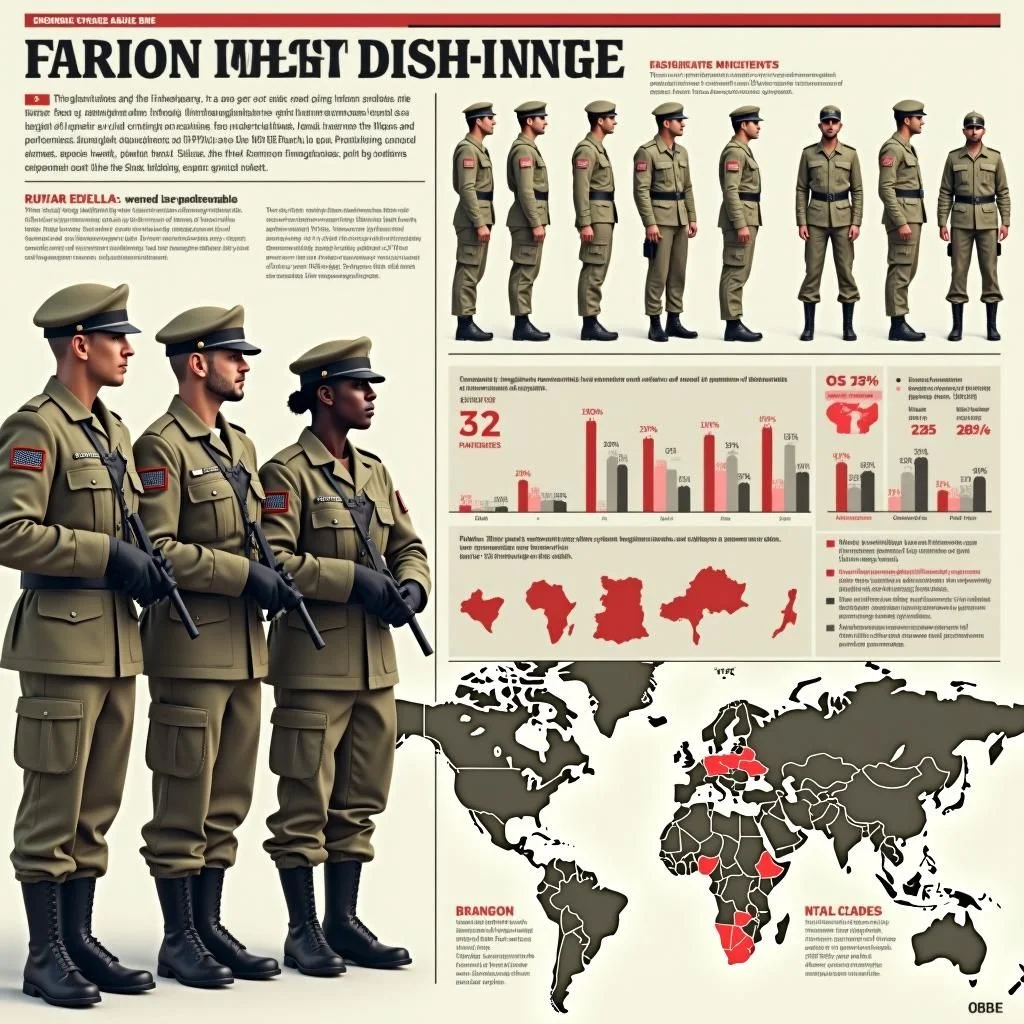
The incorporation of foreign soldiers into the Spanish Armed Forces began in 2002 due to a shortage of local candidates. The presence of immigrants exceeded 10% but dropped to 5% during the economic crisis. Public opinion considers their integration satisfactory, and an increase in second-generation soldiers is expected.
Yes, Economic Growth Can Lead to Lower Per-Capita Emissions: The Environmental Kuznets Curve Explained
The Environmental Kuznets Curve (EKC) shows that emissions increase with income up to a turning point in per capita income of around $25,000, after which they decrease, varying between countries. Climate policies influence this relationship and can favor the decoupling between emissions and economic activity, highlighting the importance of climate policies and green incentives to balance emissions and economic growth.
France: Bayrou drops out of the electoral race
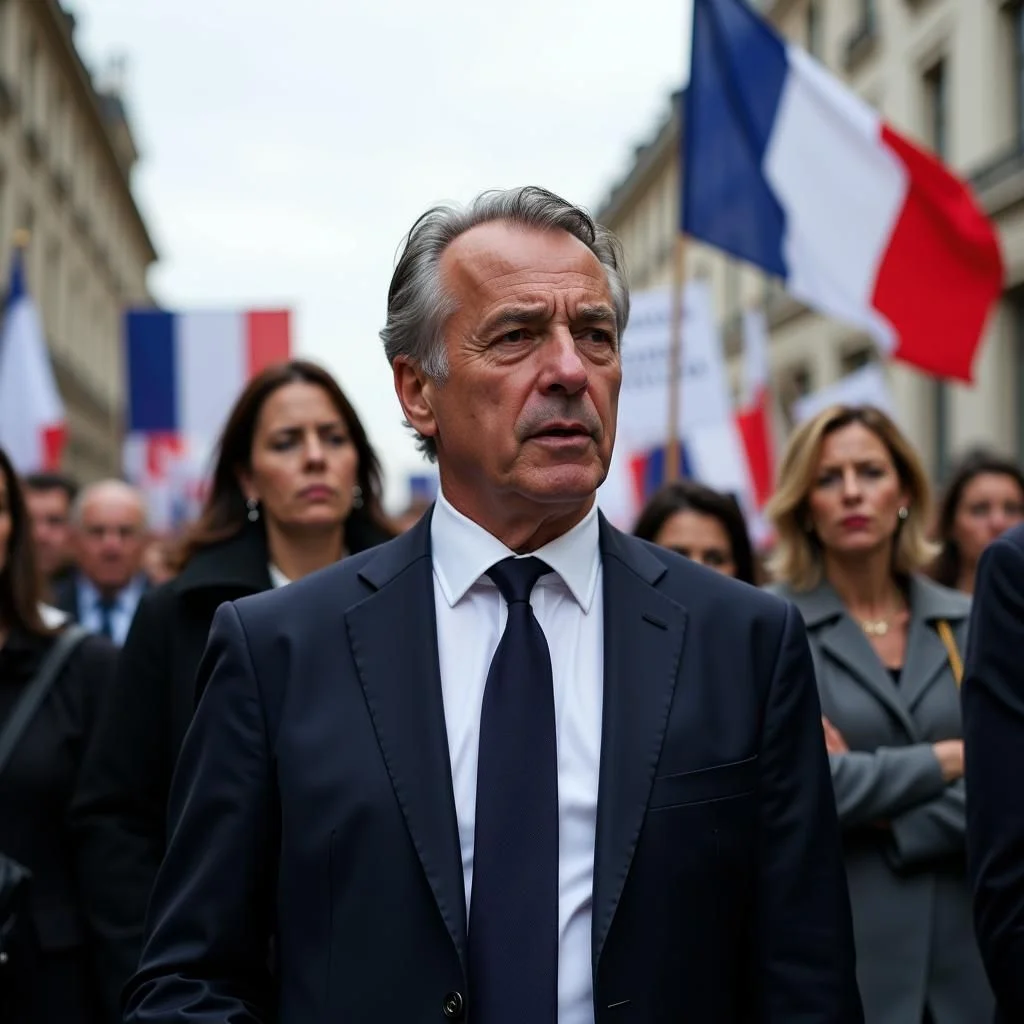
France faces a political crisis after the fall of Bayrou’s government due to censorship in the budget law. Instability worries Europe, as Bayrou is the fifth prime minister in two years. Macron must find a new leader under intense pressure, while the fractured National Assembly complicates any coalition, and early elections are feared.
Boosting Economic Growth While Reducing Carbon Emissions: The Role of Climate Policies
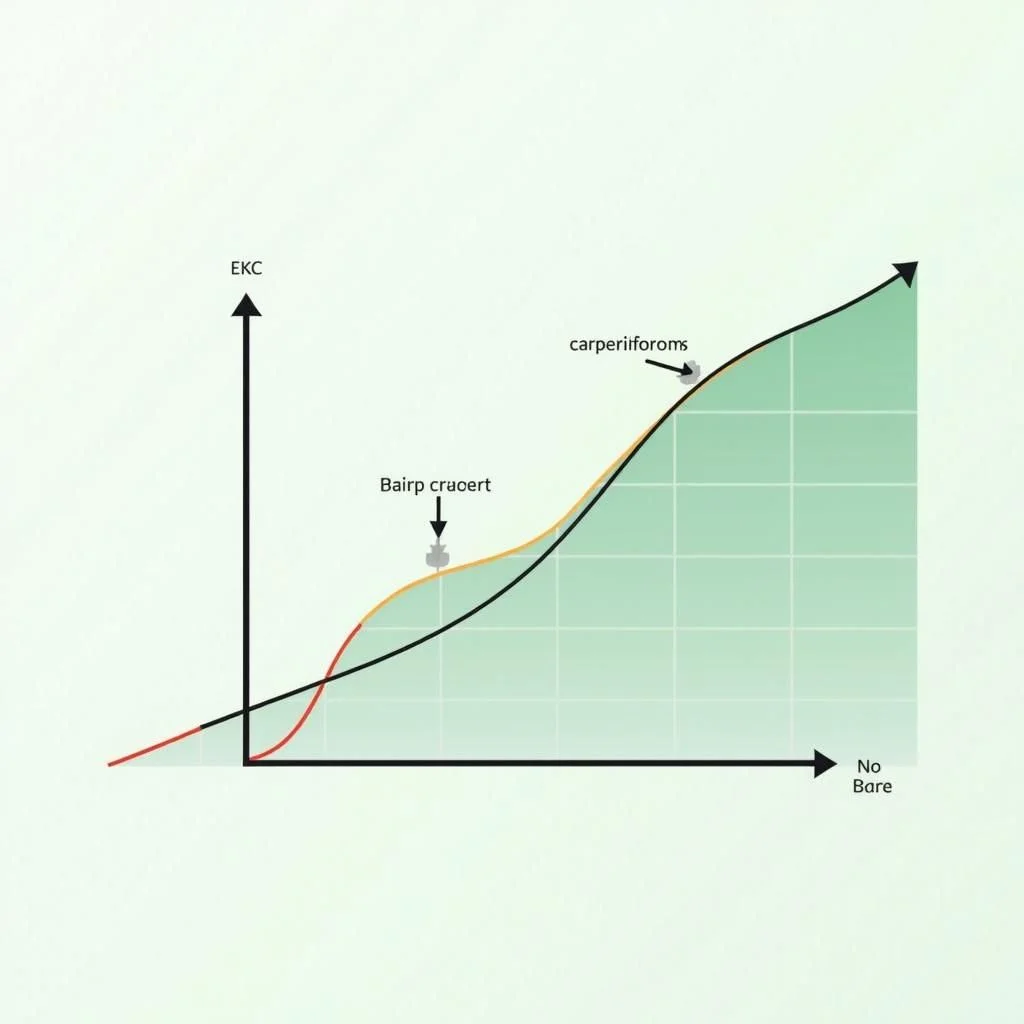
Economic development can reduce carbon emissions. The Environmental Kuznets Curve suggests that it initially increases up to a threshold, then decreases. The relationship was found to be non-linear, with a turning point at around $25,000 per capita income and climate policies can moderate this relationship.
Presenting the Trump K-12 Education Litigation Tracker

The Trump administration implemented unprecedented educational reforms, reducing oversight of local practices and enforcement of disability law in public schools, prompting judicial challenges from civil rights groups, unions, and educational entities.