
Geopolitical Shifts: Economic Impacts on Europe and Key Policy Choices
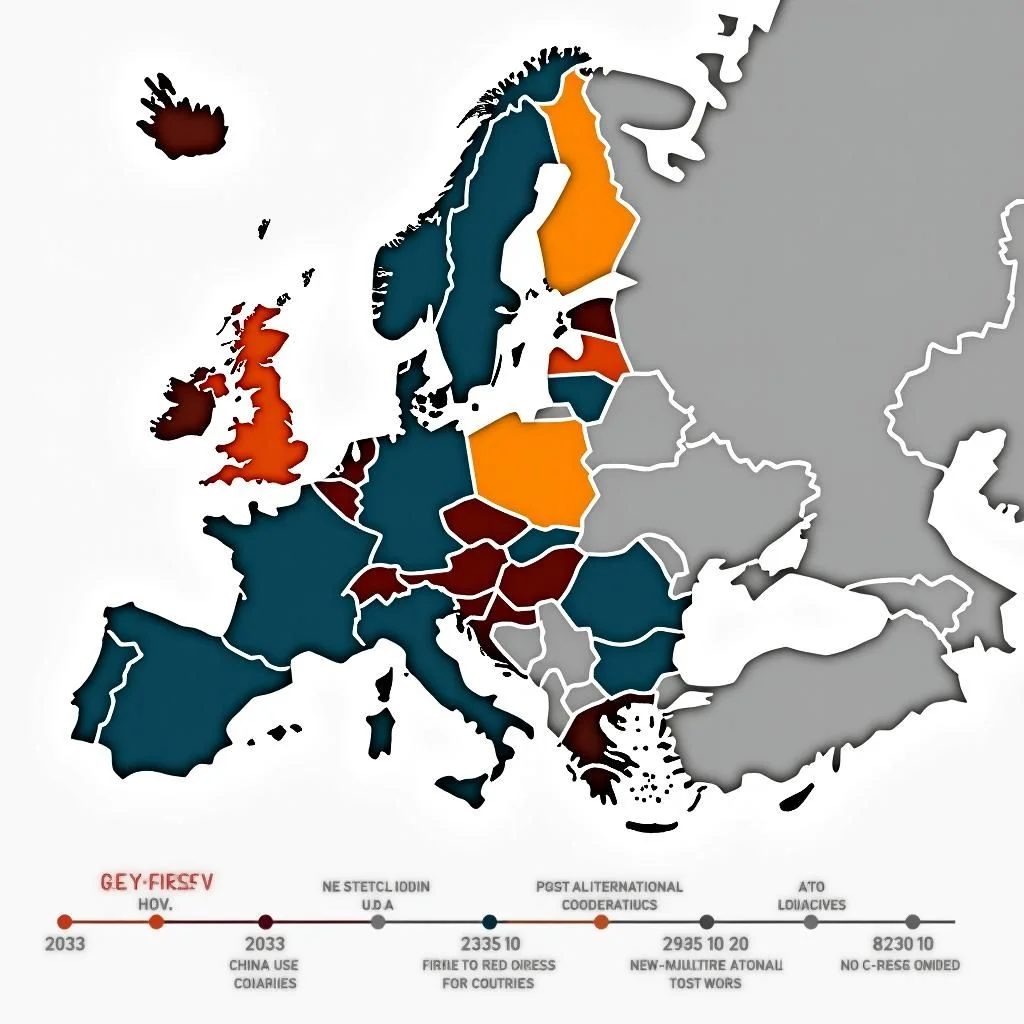
Europe will face geopolitical and economic changes in the short and medium term due to the deterioration of the post-war international order, economic pressures from China and the United States, and Russian aggression. Scenarios are proposed for 2030-2035 and policies to address risks such as the collapse of the US bond market, Russian military aggression, fiscal crisis due to populism, and trade tensions between the US and China. Three possible scenarios are presented for 2035: less international cooperation, three blocks led by China and the US, and a new multilateral order. Europe must prepare for adverse scenarios, increase its strategic autonomy, and promote the international order.
A Year After Draghi: Where is the EU’s Energy Policy?
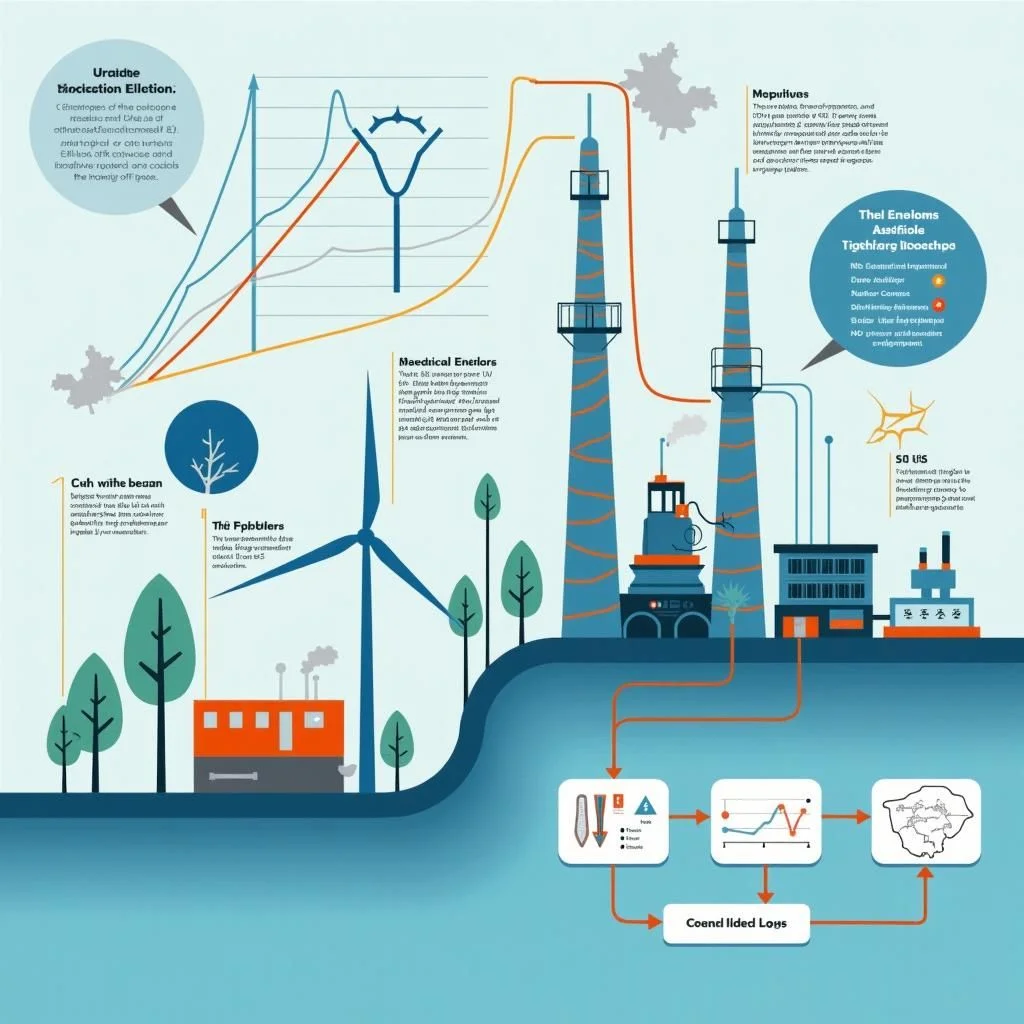
A year after Mario Draghi’s report on EU energy policy, high energy prices persist without concrete measures implemented. The Russian invasion of Ukraine has widened the price gap with the United States and the European Commission backs some of Draghi’s proposals, although their implementation is pending. The promotion of the integration of the European electricity market and the expansion of clean energy is expected.
Migration from Western Balkans to Germany: Implications and Recommendations
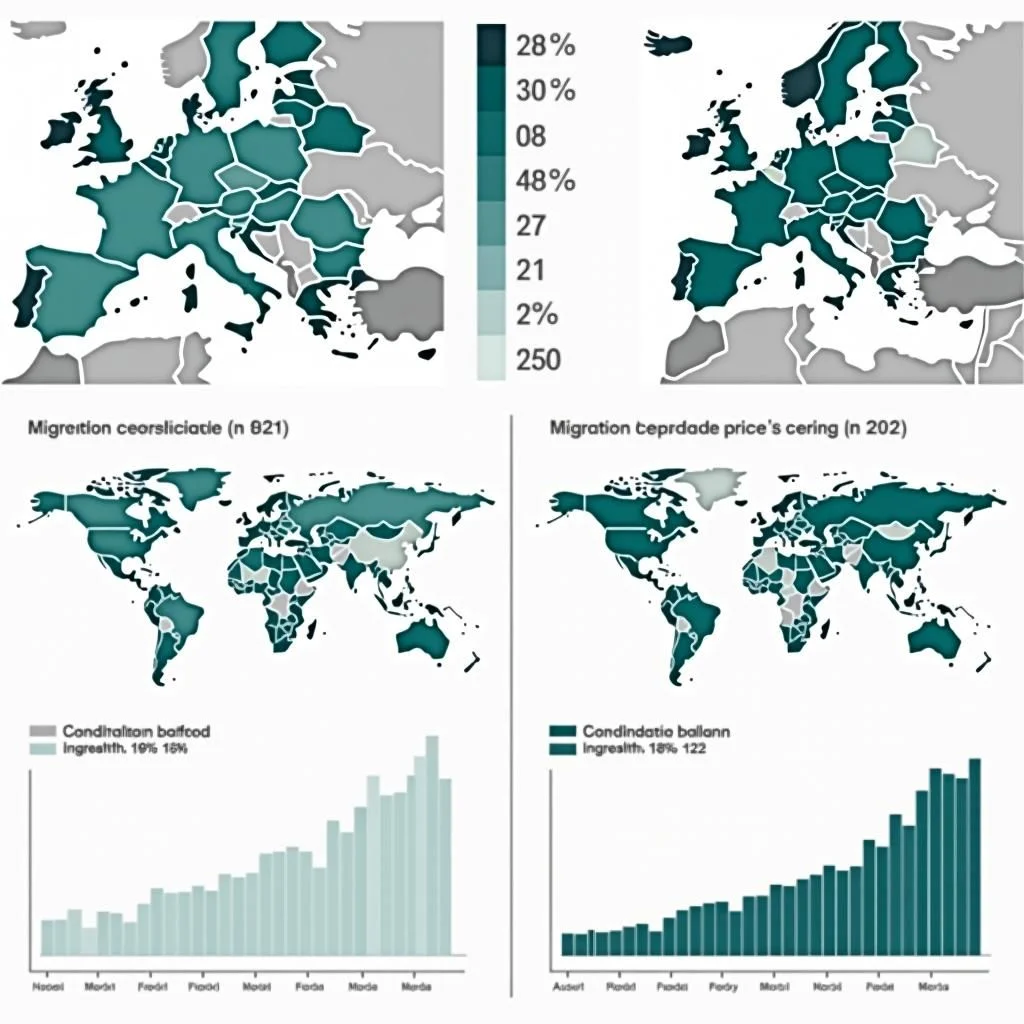
The migration from the Western Balkans to Germany is shaping the region. Germany is the main destination and migration affects demographics and economy, with economic benefits through remittances and trade, but also population declines, requiring reforms to harness benefits and mitigate negative consequences, as migration must be managed favorably for development.
Siberian Power 2: More Than a Pipeline
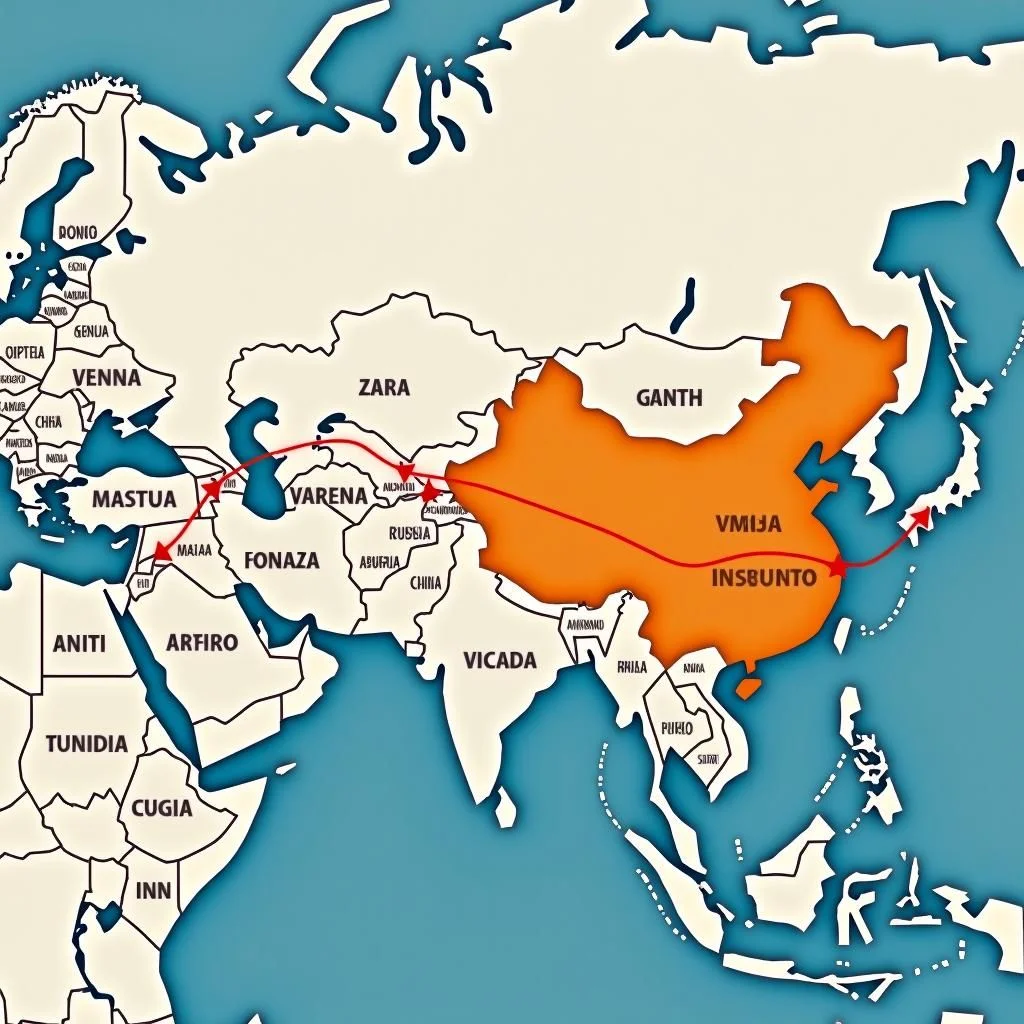
The Power of Siberia 2 gas pipeline strengthens the energy alliance between Russia and China, challenging US control and diversifying exports and supplies, increasing weakness due to dependence on gas imports with mutual interest in existing infrastructure improving the economic bond.