
Guide to the Responsible Use of AI in Financial Services.

The testimony highlights the need to regulate the use of artificial intelligence in financial services to protect consumers from risks such as discrimination and lack of access to economic opportunities. Despite its advantages, implementation must be careful and ethical, with safeguards that ensure regulatory compliance and protect marginalized populations. It advocates for responsible and ethical use of AI in financial regulation to avoid widening the wealth gap.
UN: Trump vs. Everyone
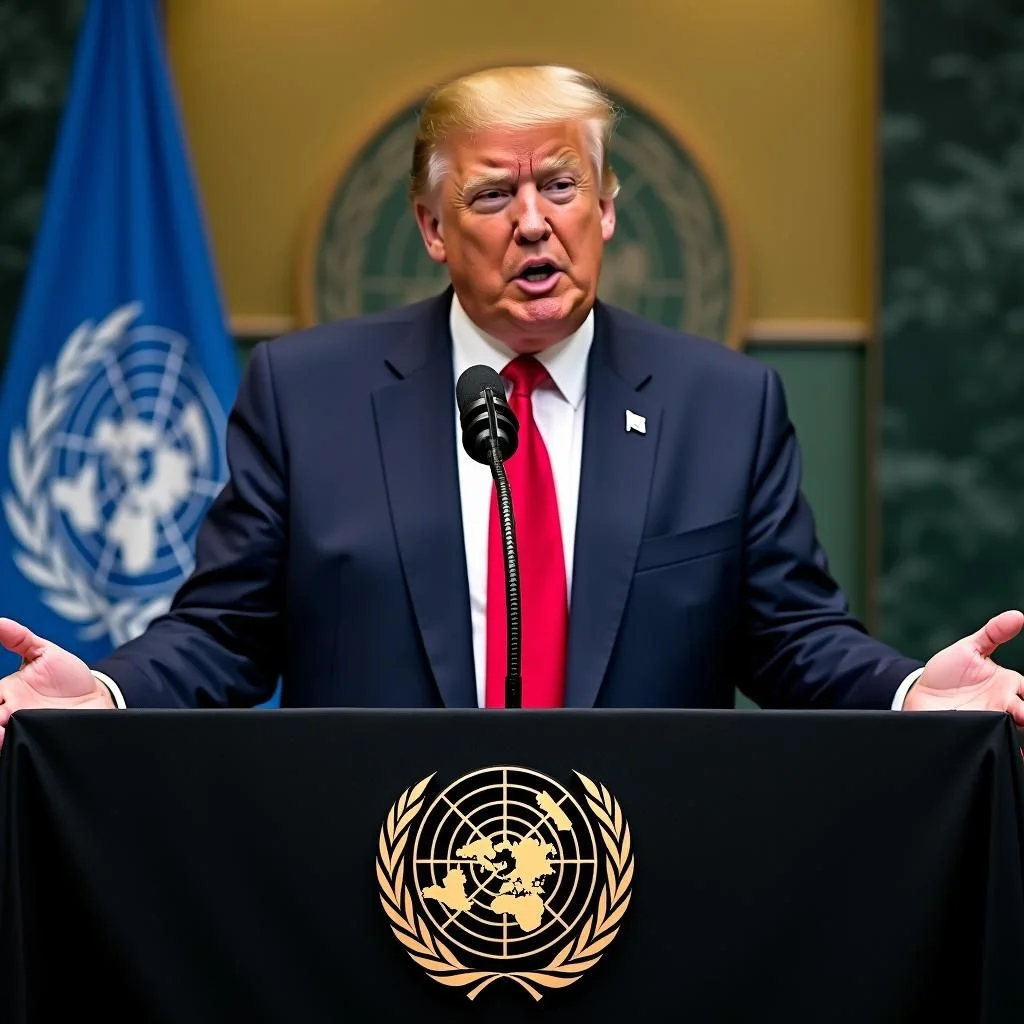
Trump accuses the UN of promoting migrant invasions and dismisses climate change, criticizing the organization’s ineffectiveness and its funding of the migration crisis. Trump boasts of stopping wars and maintaining friendships, but his actions have financially weakened the UN and isolated the US in recognizing Palestine.
Normative Responses in the Iberian Peninsula after the Energy Crisis
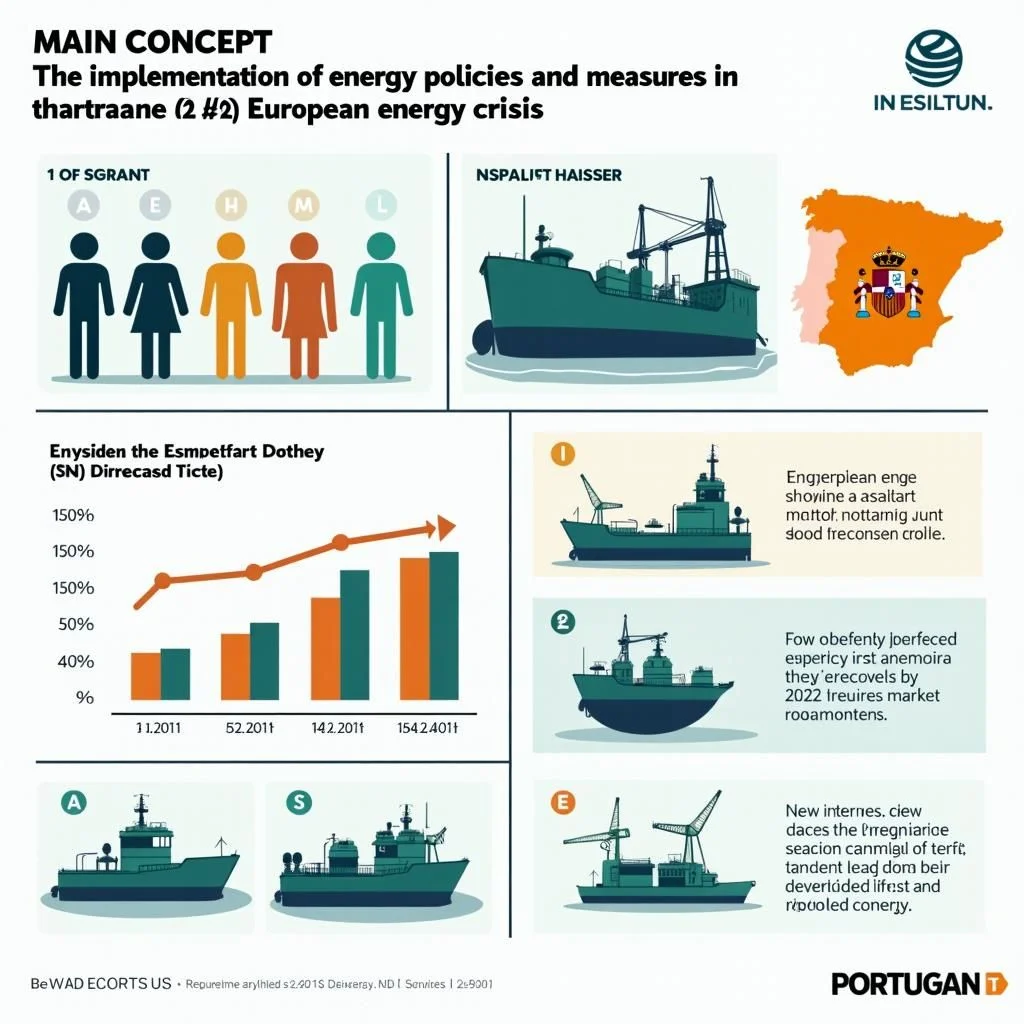
Portugal and Spain responded to the 2022 European energy crisis with domestic and EU policies, including an Iberian mechanism to cap gas prices, sanctions on Russia, and the deployment of renewables. The Iberian Peninsula benefited from liquefied natural gas imports and social acceptance of the energy transition, although the lack of interconnections with Europe limited its contribution to energy security.
A Strong Bond Renewed: Erdogan Returns to the White House After Four Years
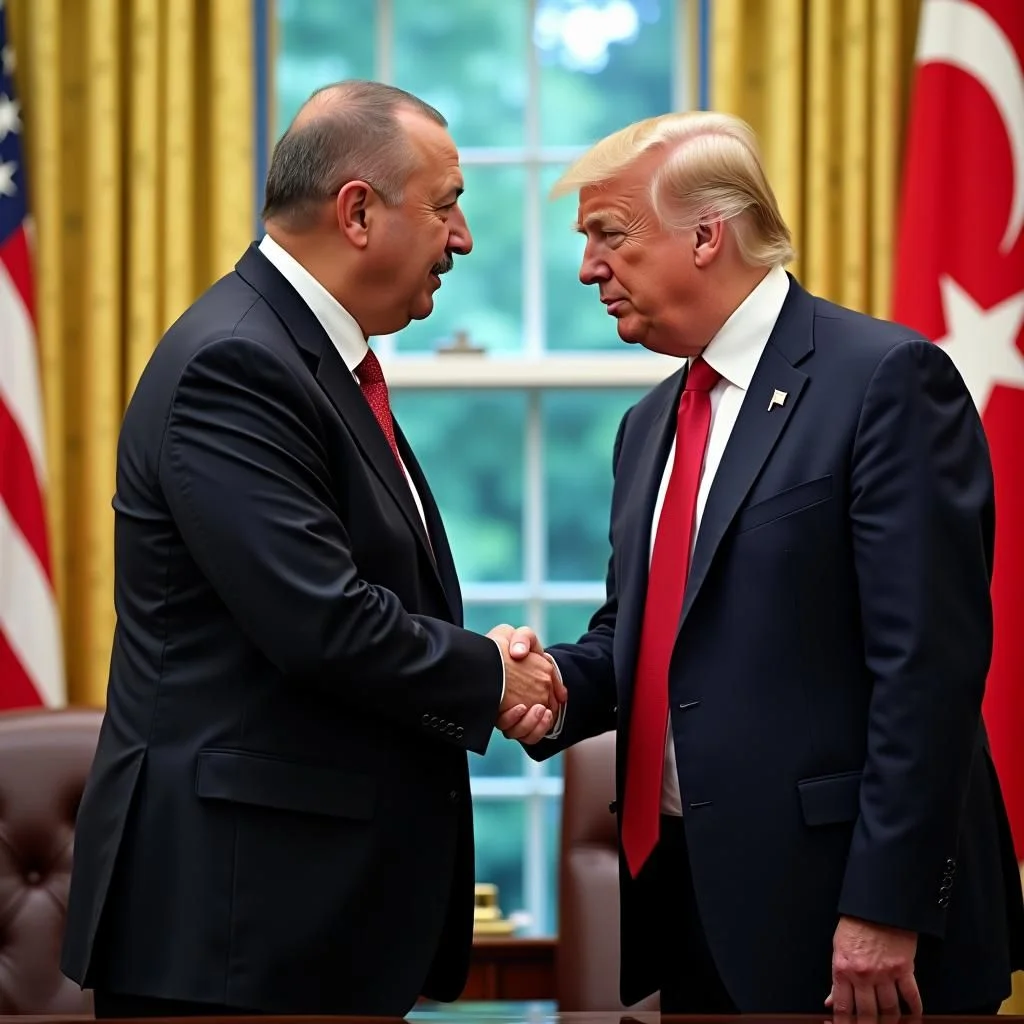
Turkish President Recep Tayyip Erdogan returns to the White House after 4 years to meet with Donald Trump, showing a connection based on their vision of the global order and disdain for liberal hegemony. Both leaders seek to highlight short-term victories, such as the purchase of Boeing planes and Trump’s possible support for Turkey’s return to the F-35 program. They seek to expand trade and align on foreign policy, despite challenges such as the conflict with Israel and the dispute over the S-400 missiles.
Is China evading US tariffs through Mexico and Canada?
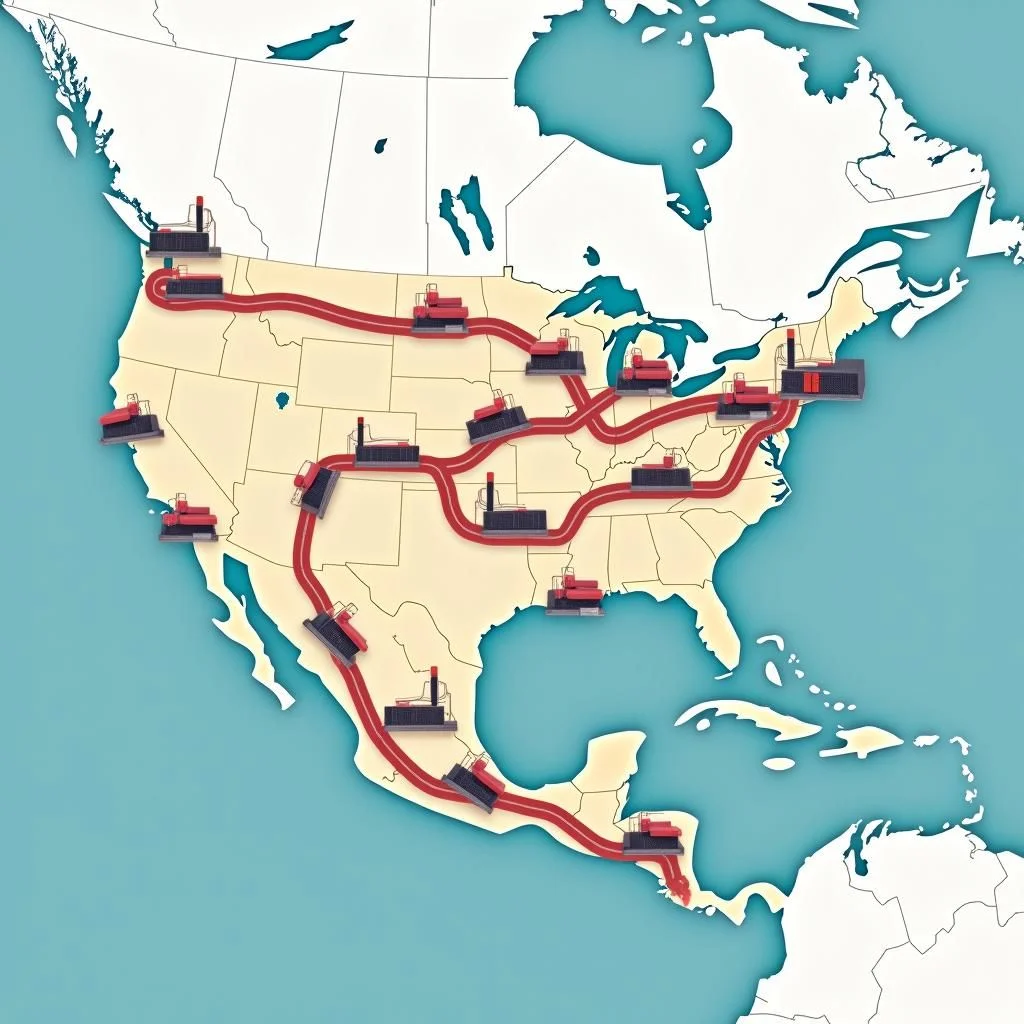
The document analyzes whether China evades US tariffs through transshipments via Mexico and Canada, incorporation into North American supply chains, and investment in both countries. Evidence of evasion is found mainly through Mexico, and to a lesser extent, Canada. Adjusting trade data for price increases, it is concluded that while evasion is reduced, evidence of this behavior still persists.