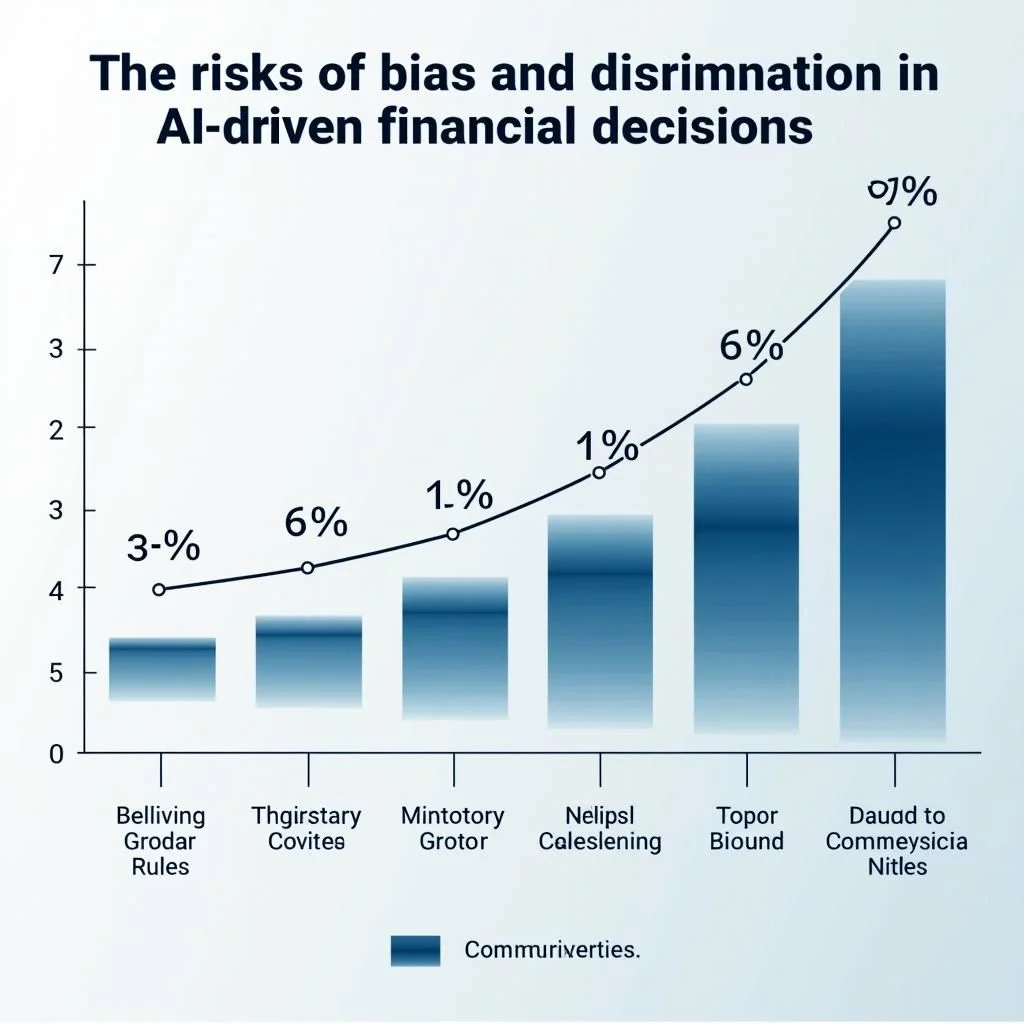
The financial sector has historically been at the forefront of adopting new technologies to enhance efficiency, increase profits, and minimize risks. Artificial intelligence (AI) presents significant opportunities to advance these goals, particularly in information processing, and has been swiftly embraced by the retail financial services sector. By 2027, the sector’s spending on AI is projected to reach $97 billion, up from $35 billion in 2023. AI has been integrated into various banking functions, including fraud detection, mortgage applications, credit underwriting, and data analytics. These applications offer potential benefits such as greater accessibility and improved customer service. However, they also introduce challenges, notably concerns about bias and discrimination.
Regulatory Landscape
The financial sector operates within a complex regulatory landscape, overseen by several independent agencies. These include the Federal Deposit Insurance Corporation (FDIC), Securities and Exchange Commission (SEC), Consumer Financial Protection Bureau (CFPB), and Commodity Futures Trading Commission (CFTC). Each agency has unique or overlapping authority to ensure regulatory compliance, with goals such as financial stability and taxpayer protection. The integration of AI into the financial sector has necessitated guidance on how these regulations apply to the technology and an assessment of where additional safeguards are needed.
Efforts to address these regulatory challenges have progressed under previous administrations. In 2023, the CFPB issued guidance on credit denials involving AI, emphasizing that lenders must provide specific and accurate reasons for adverse actions against consumers. Additional guidance required regulated entities to use appropriate methodologies, including AI tools, to ensure compliance with federal law. It also mandated the evaluation of underwriting models for bias, automated collateral-valuation and appraisal processes to minimize bias, and measures to combat unlawful discrimination enabled by automated or algorithmic tools in housing and real estate transactions.
Risks and Challenges
While these measures are crucial as AI use continues to grow in the industry, they have since been revoked or eliminated under the current downsized CFPB. The adoption and use of AI in the financial services sector are accelerating, necessitating a careful review of the associated risks. These risks can undermine consumers’ economic resilience and their ability to benefit from wealth creation. Inaccurate or discriminatory information used to train AI models can disproportionately affect marginalized populations, leading to misjudgments about their qualifications and eligibility for economic opportunities. This can widen the wealth gap and limit access to homeownership, creditworthiness, and other financial transactions that improve quality of life.
Need for Congressional Action
The rapid advancement of AI in the financial sector requires Congress to foster responsible and ethical AI use. This involves providing safeguards to protect consumers from AI risks, both now and in the future. Ensuring that AI is used ethically and responsibly in financial regulation is essential to mitigate potential harms and maximize the benefits for all consumers. This includes addressing issues such as bias and discrimination, ensuring transparency in AI decision-making processes, and promoting digital literacy and inclusion to enhance AI readiness. By taking these steps, Congress can help ensure that the financial sector continues to innovate while protecting the interests of consumers and promoting economic fairness.