For children and young people in Mexico, learning “what truly matters” encompasses more than just academic achievement. It includes a broad range of skills necessary to thrive in an increasingly complex world. However, education systems often face significant challenges in moving beyond conventional approaches to prioritize holistic development. These challenges include disconnected priorities, fragmented structures, and institutional inertia, which limit the ability of these systems to support young people in developing the skills needed for personal growth, community engagement, and broader societal contributions.
Nuevo León, one of Mexico’s most industrialized and urbanized states, presents a unique case study. Despite its favorable conditions for education system transformation, various actors within its educational ecosystem struggle to implement changes that genuinely support the development of a wide range of skills. This report explores the opportunities and challenges in transforming Nuevo León’s education system, focusing on how well it creates opportunities for children and young people to learn what truly matters.
The study draws on a comprehensive approach, including system mapping, desk research, quantitative data, and qualitative insights from 29 interviews and two focus groups. These interviews and focus groups involved actors from government, civil society, the private sector, and youth organizations. The findings reveal a growing shared commitment to a breadth of skills agenda that emphasizes youth agency, socioemotional development, and community engagement. However, despite a favorable policy environment and scattered innovations, systemic transformation is hindered by structural inertia, political discontinuity, and limited coordination.
Key Areas for Transformation
The qualitative data highlights several key areas that are crucial for transformation:
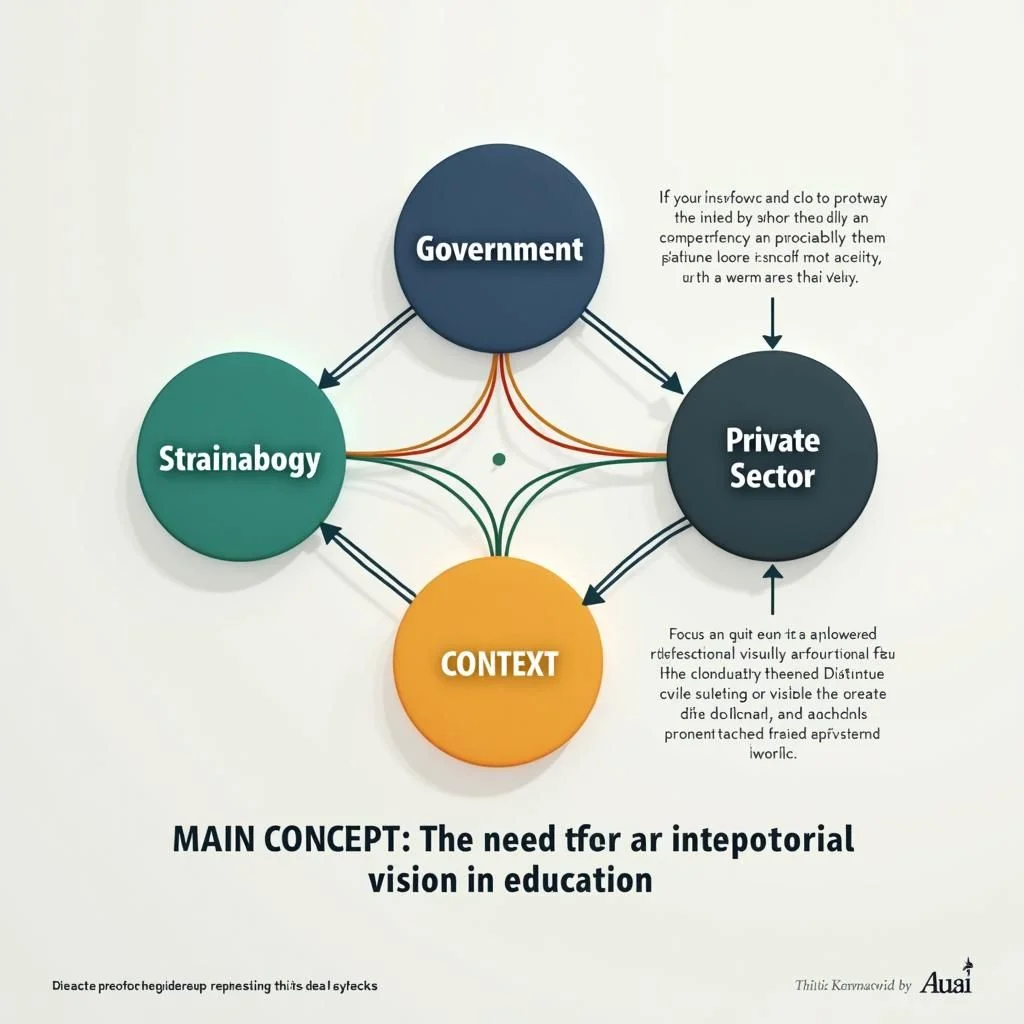
- Building a Shared Intersectoral Vision: There is a need for a unified vision that encompasses all sectors involved in education. This vision should guide policy-making and implementation, ensuring that all stakeholders are aligned towards common goals.
- Strengthening Local Capacity: Enhancing the capabilities of local actors is essential. This includes providing them with the necessary resources, training, and support to effectively implement transformative changes.
- Fostering Social Demand for Quality Education: There is a need to move beyond traditional test-based accountability measures. Instead, there should be a focus on creating a social demand for quality education that prioritizes holistic development and the acquisition of a broad range of skills.
Expanded Conceptualization of Transformational Conditions
The study argues for an expanded conceptualization of transformational conditions. This includes adding Context and Communication to the existing 3C framework, which typically focuses on Content, Capacity, and Culture. Context refers to the unique social, economic, and cultural factors that influence education in a particular region. Communication involves the effective dissemination of information and the fostering of dialogue among all stakeholders.
Sustainable Transformation Strategies
Sustainable transformation in Nuevo León’s education system requires several key strategies:
- Aligning Actors Across Sectors: Ensuring that all stakeholders, including government, civil society, the private sector, and youth organizations, are aligned and working towards the same goals is crucial. This alignment can be achieved through collaborative planning, shared decision-making, and coordinated efforts.
- Amplifying Youth Voices: The voices of young people must be at the center of any transformative efforts. Their perspectives and experiences provide valuable insights into what truly matters in education and how the system can be improved to better meet their needs.
- Leveraging Local Context as a Foundation for Change: The unique context of Nuevo León, including its cultural, economic, and social factors, should be leveraged as a foundation for change. This involves tailoring educational strategies to the specific needs and circumstances of the region.
- Embedding Learning that Truly Matters: To achieve sustainable transformation, learning that truly matters must be embedded at the heart of the education system. This involves systematic attention to all five Cs: Content, Capacity, Culture, Context, and Communication. Each of these elements plays a critical role in creating an education system that supports the holistic development of young people.
In conclusion, transforming Nuevo León’s education system to support the development of a broad range of skills requires a multifaceted approach. It involves building a shared vision, strengthening local capacity, fostering social demand, aligning actors across sectors, amplifying youth voices, leveraging local context, and embedding learning that truly matters. By focusing on these key areas, Nuevo León can create an education system that prepares its young people to thrive in an increasingly complex world.